
Fibre optic cable power modern telecommunication networks, enabling fast data transmission over long distances. Without them, the internet, phone networks, and cable TV wouldn’t exist. However, not all fibre optic cables are the same. This two-part blog explores different types, including Loose Tube, Mini Loose Tube, Indoor/Outdoor, Pre-Terminated, Rodent-Proof, ADSS, and Fire-Resistant Fibre Optic Cables. Part 1 covers loose tube, mini loose tube, indoor/outdoor, and pre-terminated cables. Let’s dive in!
Loose Tube & Mini Loose Tube Fibre Optic Cable
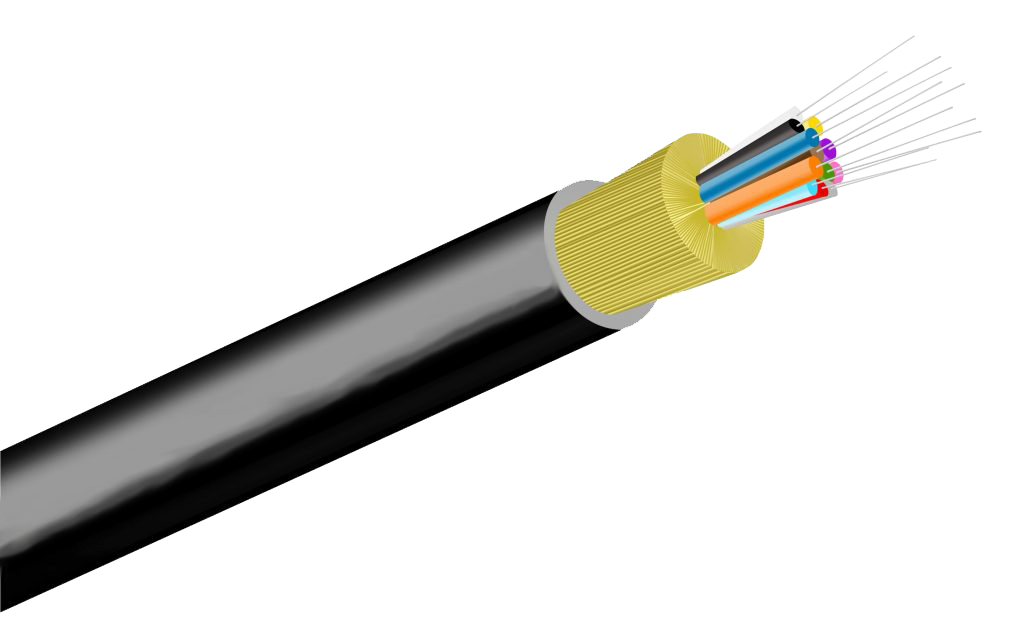
Loose tube cables suit outdoor installations exposed to harsh conditions. They contain optical fibres in protective tubes, shielding them from moisture and temperature changes. These cables work well for underground installations and come in single-mode or multi-mode options with various fibre counts. Their durable outer jackets resist UV radiation and extreme temperatures.
Mini loose tube cables offer a smaller, lighter version for space-limited applications. They also come in single-mode or multi-mode options with different fibre counts and protective jackets. Their ability to withstand environmental conditions makes them ideal for outdoor and underground use. Customization options include fibre count, outer jacket material, and termite protection.
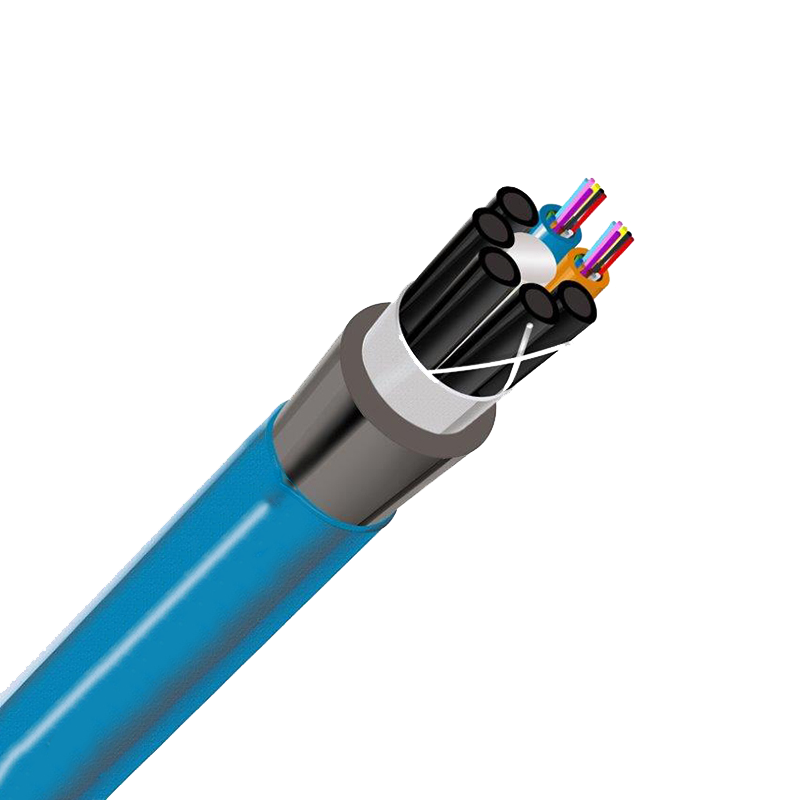
Loose Tube
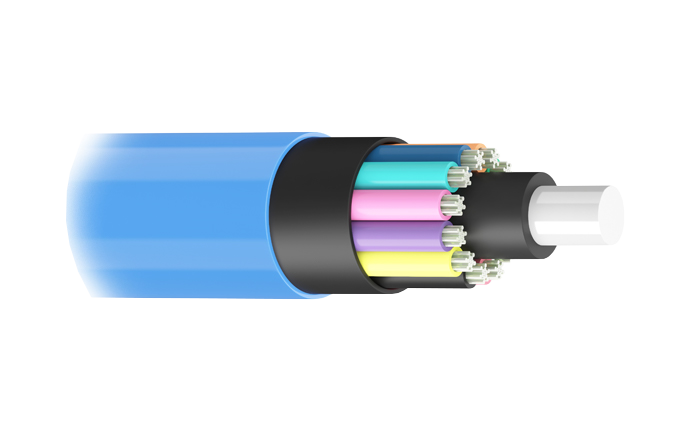
Mini Loose Tube
Indoor/Outdoor Fibre Optic Cable
Indoor/outdoor cables combine durability with flexible installation. They connect buildings, power data centres, and support telecommunications. These cables handle both indoor and outdoor conditions, resisting UV radiation and extreme temperatures. Many feature Low Smoke Zero Halogen (LSZH) jackets, reducing toxic gas emissions in case of fire.
They install easily, bend well, and fit through walls, ceilings, and floors without damage. Their lightweight design simplifies handling, cutting installation time and costs. These qualities make them ideal for building-to-building connections and data centres.
Pre-Terminated Fibre Optic Cables
Pre-terminated cables simplify installation, reducing time and costs. They come with factory-installed connectors, eliminating field termination. This speeds up deployment and improves reliability. Pre-tested before shipment, they minimize installation errors like misalignment and signal loss.
Customizable in length, fibre count, and connector type, they fit various applications, from small setups to large networks. They also enhance security by ensuring uninterrupted signal transmission, making them ideal for military, financial, and healthcare systems. Data centres rely on them for server, switch, and storage connections. Their ease of use and high performance make them a top choice in telecommunications.

Conclusion
Each fibre optic cable type serves a specific purpose. Loose tube and mini loose tube cables excel in outdoor environments. Indoor/outdoor cables handle both settings seamlessly. Pre-terminated cables save time and improve efficiency. In Part 2, we’ll explore Rodent-Proof, ADSS, and Fire-Resistant Fibre Optic Cables. Choosing the right cable ensures optimal performance for your project.