
The Ubiquity of FibreOptics
FibreOptics are now an essential part of modern infrastructure, powering global communication and data transmission. These laser-powered cables span oceans, run beneath roads, and connect buildings and pavements, forming the backbone of today’s digital world. Industries as diverse as telecommunications, broadcasting, medicine, and military operations rely on fibre optics to enhance efficiency, security, and speed.
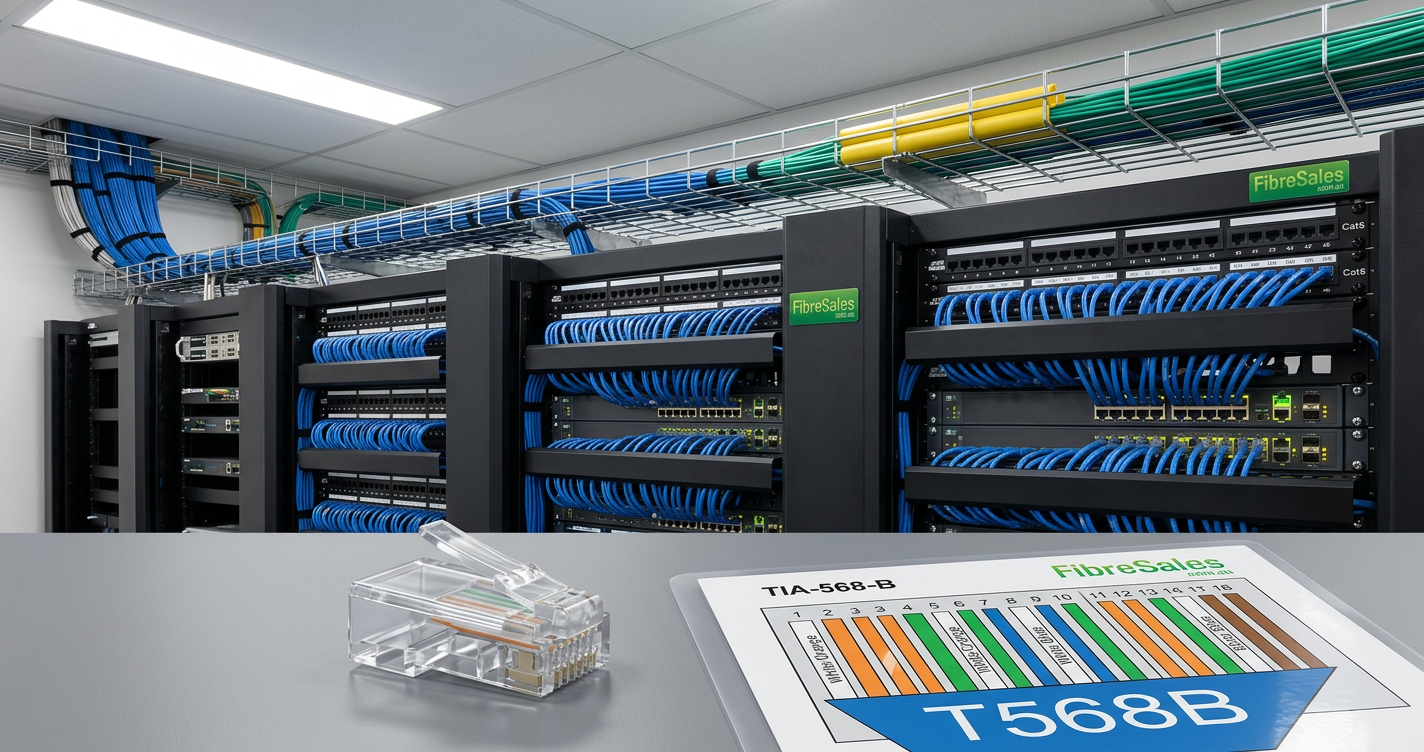
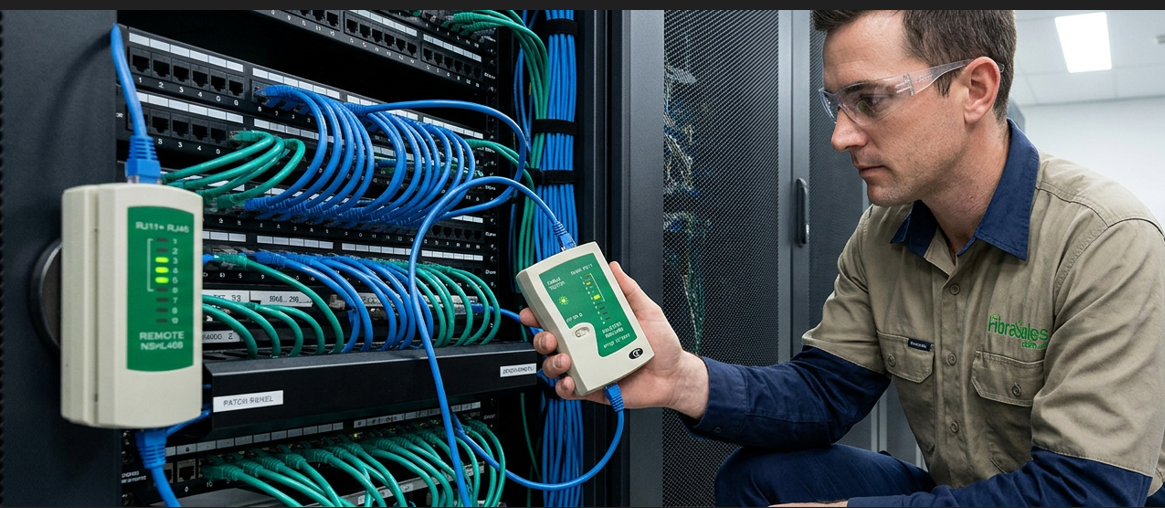
FibreOptics in Computer Networks
The primary function of optic cables is to transmit information over long distances with minimal data loss. Compared to traditional copper cables, fibre offers numerous advantages, including:
- Minimal Data Loss: Fibre cables ensure high-fidelity data transmission without degradation over long distances.
- No Electromagnetic Interference: Unlike copper cables, fibre optics remain unaffected by electrical noise, ensuring a stable connection.
- Higher Bandwidth: Fibre cables handle massive amounts of data at unprecedented speeds, making them ideal for high-speed internet and cloud computing applications.
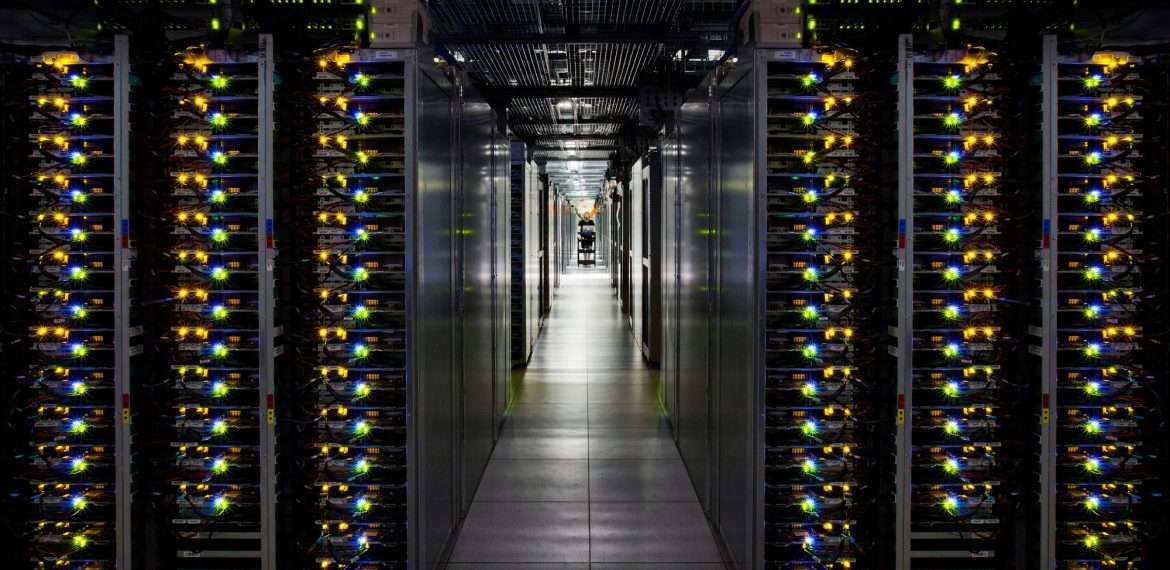
The demand for high-speed, reliable internet connections continues to rise, making fibre optics the preferred choice for internet service providers and data centers worldwide.
FibreOptics in Broadcasting
Traditional radio and television signals relied on electromagnetic waves, which faced limitations in clarity and range. Cable TV companies initially turned to coaxial cables to improve transmission quality. However, as the number of channels and subscribers grew, they needed a more efficient solution.
Fibre cables revolutionized broadcasting by enabling digital transmission, ensuring:
- Higher Quality Streaming: Digital signals maintain superior audio and video clarity.
- Expanded Channel Capacity: Fibre allows for an exponential increase in available channels and streaming services.
- Reliable Signal Transmission: Fibre optics eliminate the interference issues associated with older analog and coaxial systems.
With the rise of digital streaming platforms, fibre optics continue to play a pivotal role in delivering seamless entertainment experiences to audiences worldwide.

Fibre Optic in Medicine
More than 50 years ago, medical researchers discovered the potential of fibre in diagnostics and treatment. Today, optics are integral to various medical procedures, such as endoscopies, arthroscopies, and minimally invasive surgeries. The key benefits include:
- Enhanced Imaging: Optic cameras provide high-resolution, real-time imaging inside the human body.
- Minimally Invasive Procedures: Doctors can diagnose and treat conditions with minimal discomfort to patients.
- Reduced Surgical Risks: Fibre-based tools allow for precise medical interventions, reducing complications and recovery time.
Medical science continues to explore new applications for fibre optics, improving healthcare quality and patient outcomes.
Fibre Optics in the Military and Defense
The military sector rapidly adapts to technological advancements, and fibre optics play a crucial role in secure and efficient communication. Defence forces worldwide use fibre optic cables for:
- Secure Data Transmission: Fibre optics do not emit electromagnetic radiation, making them difficult to detect or intercept.
- High-Performance Connectivity: Military bases, radars, and missile systems rely on fibre optics for uninterrupted, high-speed communication.
- Electromagnetic Pulse (EMP) Resistance: Unlike traditional communication lines, fibre optic cables withstand EMP attacks, ensuring continued functionality in combat situations.
- Lightweight and Durable Design: Fibre cables are strong yet lightweight, making them ideal for battlefield deployment.
As cybersecurity threats grow, military organizations increasingly depend on fibre optics for secure and resilient communication networks.
Additional Benefits of Fibre Optic Technology
Fibre optics provide several other advantages that make them superior to conventional transmission methods:
- Lightweight and Compact: Fibre cables take up less space and are easier to install compared to bulky copper wires.
- Low Signal Attenuation: Signals travel longer distances without significant loss, reducing the need for frequent amplification.
- Massive Data Handling: A single fibre cable can re-amplify multiple data channels, enhancing efficiency.
- Cybersecurity Assurance: Fibre optics make data interception nearly impossible, offering enhanced security.
- Environmental and Health Safety: Fibre optics do not emit harmful radiation and are safe for human exposure.
The Future of Fibre Optics
Despite being around for decades, fibre optic technology continues to evolve, unlocking new possibilities across industries. Researchers are working on integrating fibre optics into everyday applications, from smart homes to next-generation AI-driven systems. Future advancements will lead to:
- Faster Internet Speeds: Terabit-speed networks will redefine how we communicate and process information.
- Widespread Smart City Adoption: Fibre optics will enable real-time monitoring, automation, and connectivity in urban infrastructures.
- Medical Breakthroughs: Innovations in fibre optic sensors will enhance disease detection and treatment precision.
- Quantum Communication: Fibre optics may soon play a role in quantum computing, ensuring ultra-secure data transmission.
Conclusion
Fibre optic technology has transformed the way we communicate, work, and live. Its unparalleled speed, security, and efficiency make it indispensable in modern society. As research and innovation continue, fibre optics will unlock even greater potential, shaping the future of telecommunications, healthcare, defense, and beyond. The world is only beginning to tap into the full capabilities of fibre optics, and the journey ahead promises revolutionary advancements in countless fields.