FibreOptic Cable: The Backbone of Modern Communication
Fibreoptic cable powers today’s data communication. The internet enables seamless global connectivity, and fibre optic technology makes it possible.
The Evolution of FibreOptic Cables
In the late 1960s, Dr. Charles Kuen-Kao, a UK-based Chinese physicist, identified impurities in the glass used for fibre optic cables. At that time, these cables transmitted only television and telephone signals. Light pulses traveled less than 20 meters before fading.
By 1970, scientists developed an ultra-pure fibre optic cable stretching 805 meters. These cables, resembling fishing lines, paved the way for biomedical informatics, broadband communication, and digital applications.
By 2009, researchers estimated that the total length of fibre optic cables worldwide exceeded 966,000 kilometers.
How FibreOptic Cables Work
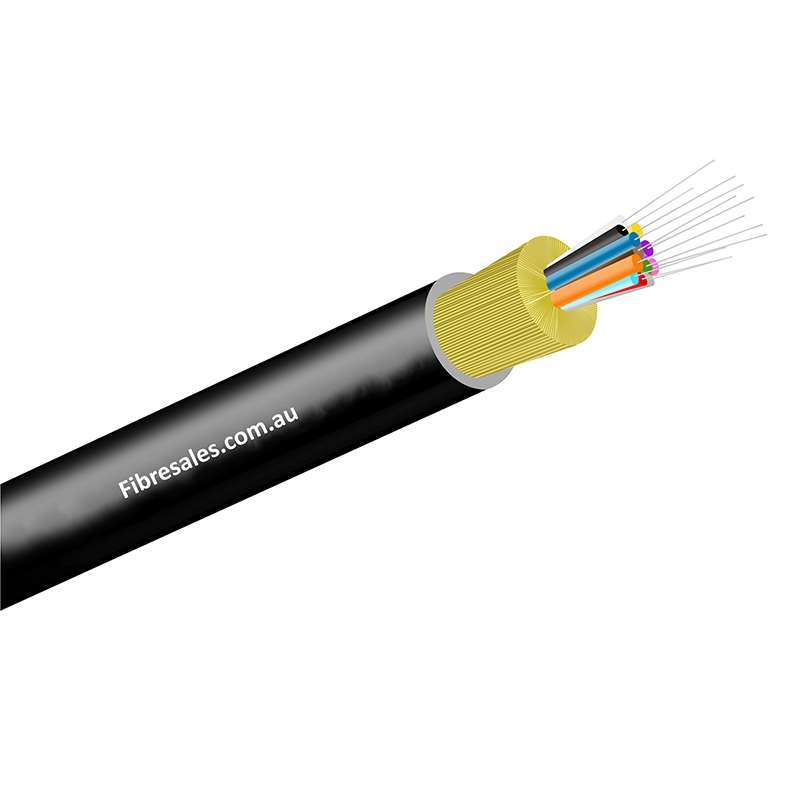
Fibre optic cables transmit coded information through light beams inside plastic or glass pipes. Each cable contains thin optical fibres, measuring just a fraction of a human hair.
A single strand can carry 25,000 telephone calls, while a cable with multiple strands transmits millions of calls simultaneously.

Light particles (photons) bounce within the cable at precise angles, preventing leakage. This process, known as total internal reflection, ensures that signals remain inside the core. The cladding, a secondary glass layer, reinforces this reflection.
Types of FibreOptic Cables
Light travels through fibre optic cables in different ways, called modes.
- Single-mode fibre: With an ultra-thin core (5-10 microns), it transmits signals straight without interference. This type is used for telephone, internet, and cable TV signals, covering distances up to 97 kilometers.
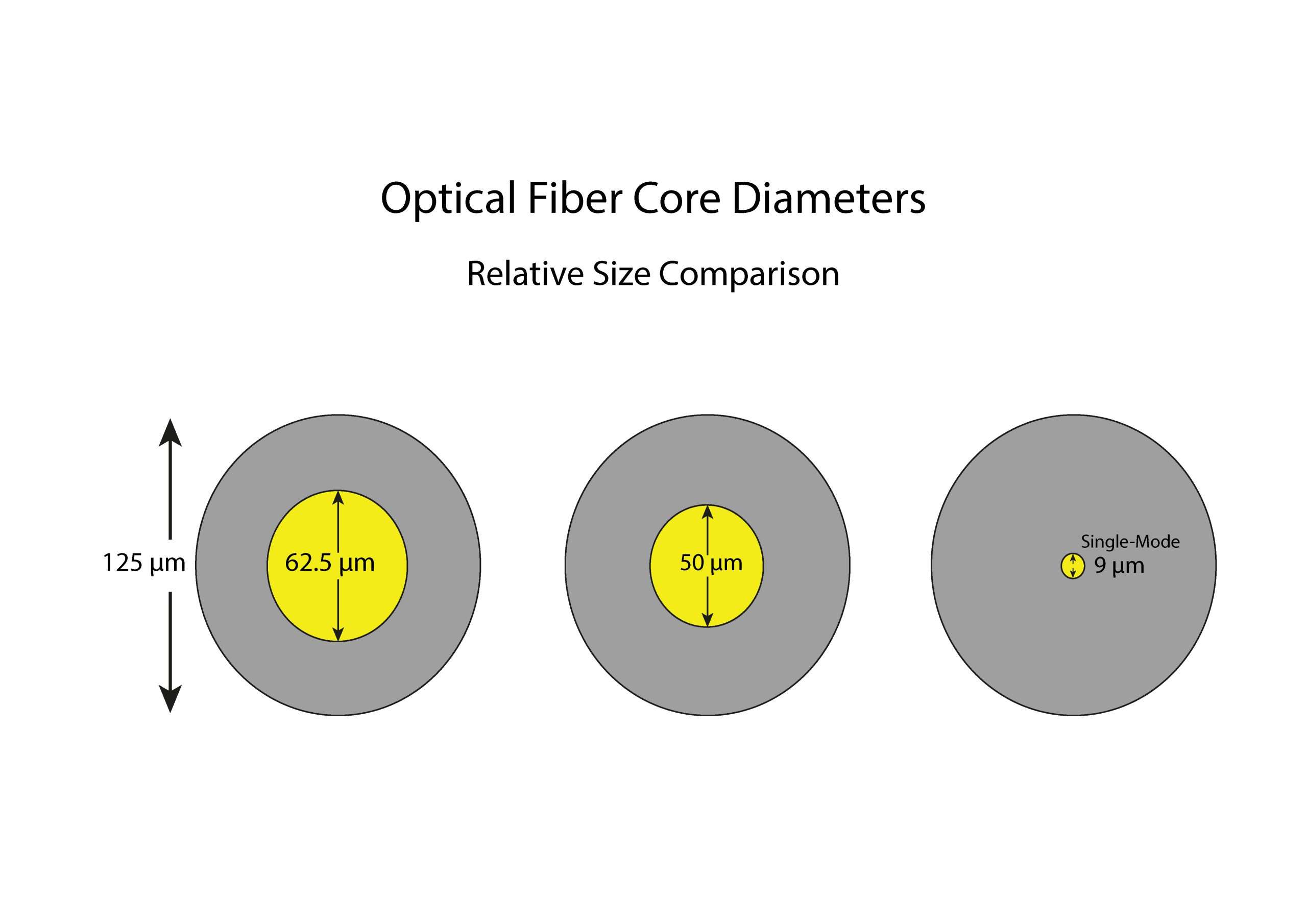
Multi-mode fibre: Featuring a larger core, it allows multiple light paths but covers shorter distances. Computer networks widely use this type.
How FibreOptic Cables Are Made
Despite being made of glass, optical fibres are highly durable. Manufacturers heat and pull a glass rod, reducing it from centimeters to micrometers in diameter while extending its length several kilometers. Multiple fibres are then bundled together to form a thicker cable.
Conclusion
Fibre optic cables require careful handling in public environments. They play a crucial role in research laboratories, industrial assembly plants, and modern communication networks.