
Cable Management: A Tough Job? Think Again!
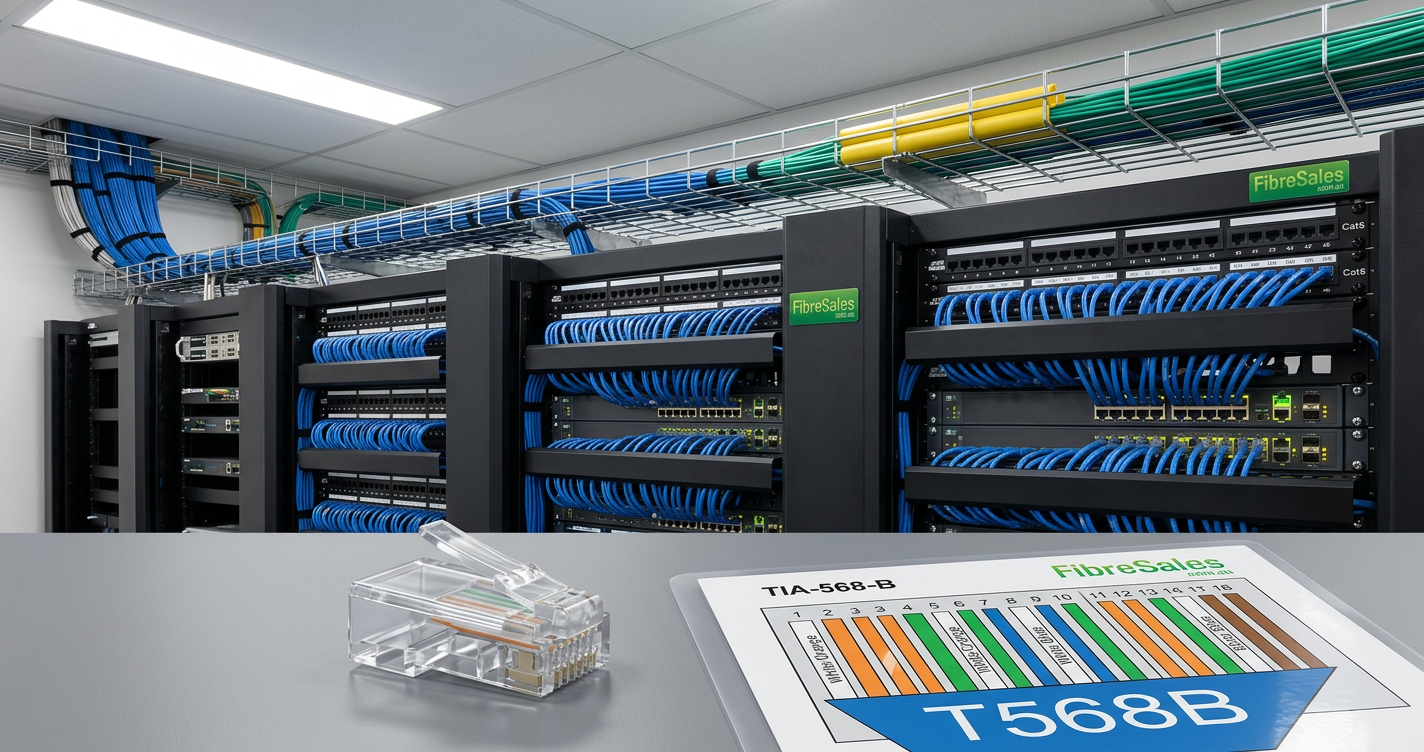
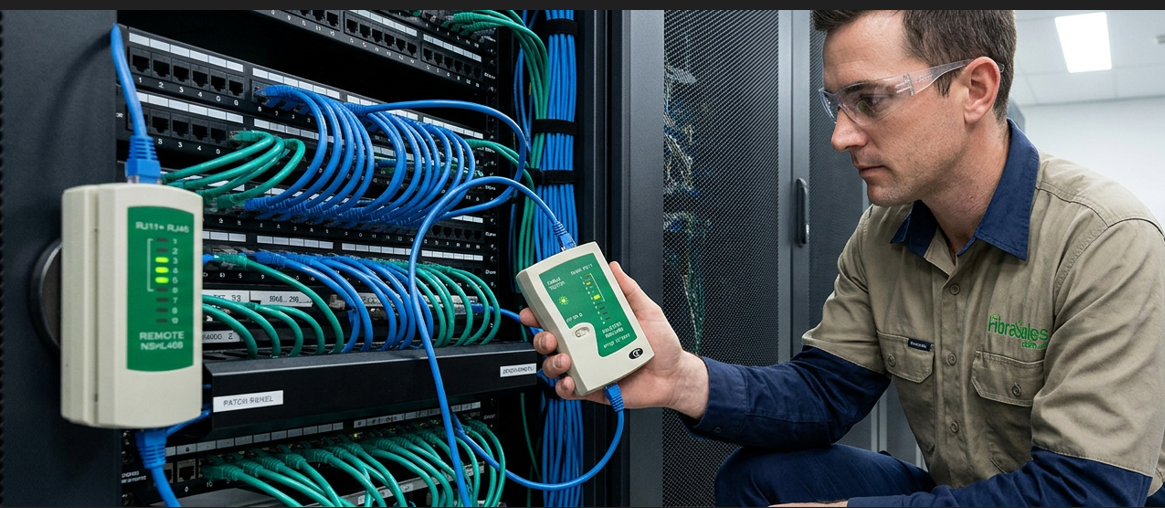
Managing Cable is often overlooked, but mastering it can significantly enhance efficiency, safety, and aesthetics in any workspace. While it might seem like a daunting task at first, proper planning and execution make it an easy and rewarding process.
The Consequences of Poor Cable Management
Neglecting cable management can lead to a variety of problems:
- Confusion – Without organisation, identifying which cable connects to what becomes a frustrating task.
- Mess and Clutter – Cables left tangled or unmanaged create an unsightly mess often referred to as a “rat’s nest” or “cable jungle.”
- Safety Hazards – Loose cables can become tripping hazards, leading to workplace injuries and equipment damage.
- Performance Issues – Poorly managed cables can cause interference, signal degradation, or even complete system failures.
The Purpose of Managing Cable
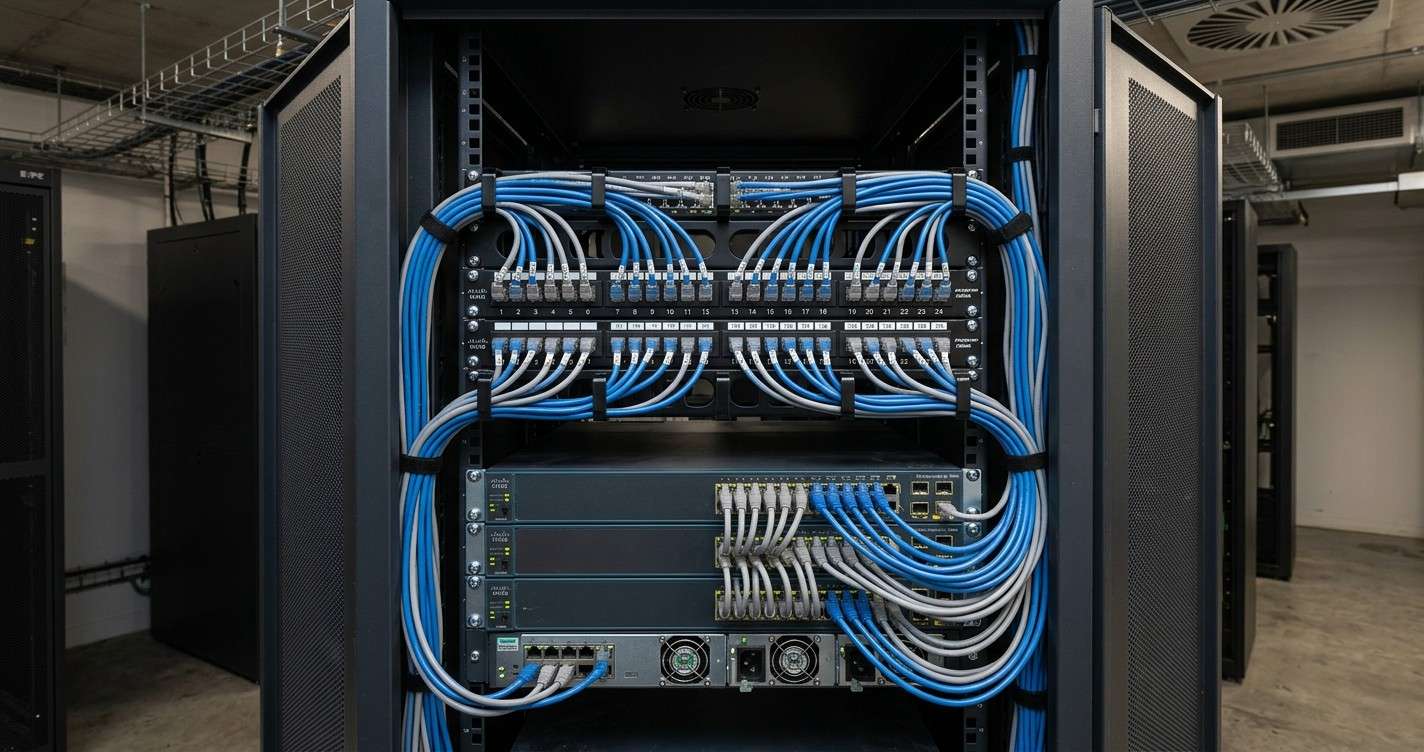
The primary goal of cable management is to organise, protect, and maintain cables to ensure efficiency and longevity. Proper cable management:
- Prevents Disconnections – Securely routed cables stay in place and function reliably.
- Enhances Accessibility – Well-organised cables make troubleshooting and upgrades easier.
- Improves Aesthetics – A neat setup looks professional and leaves a positive impression on clients.
Essential Cable Management Solutions
To maintain an organised system, industries have developed various fixtures, including:
- Cable Trays – Prevents cables from popping out and keeps them secure.
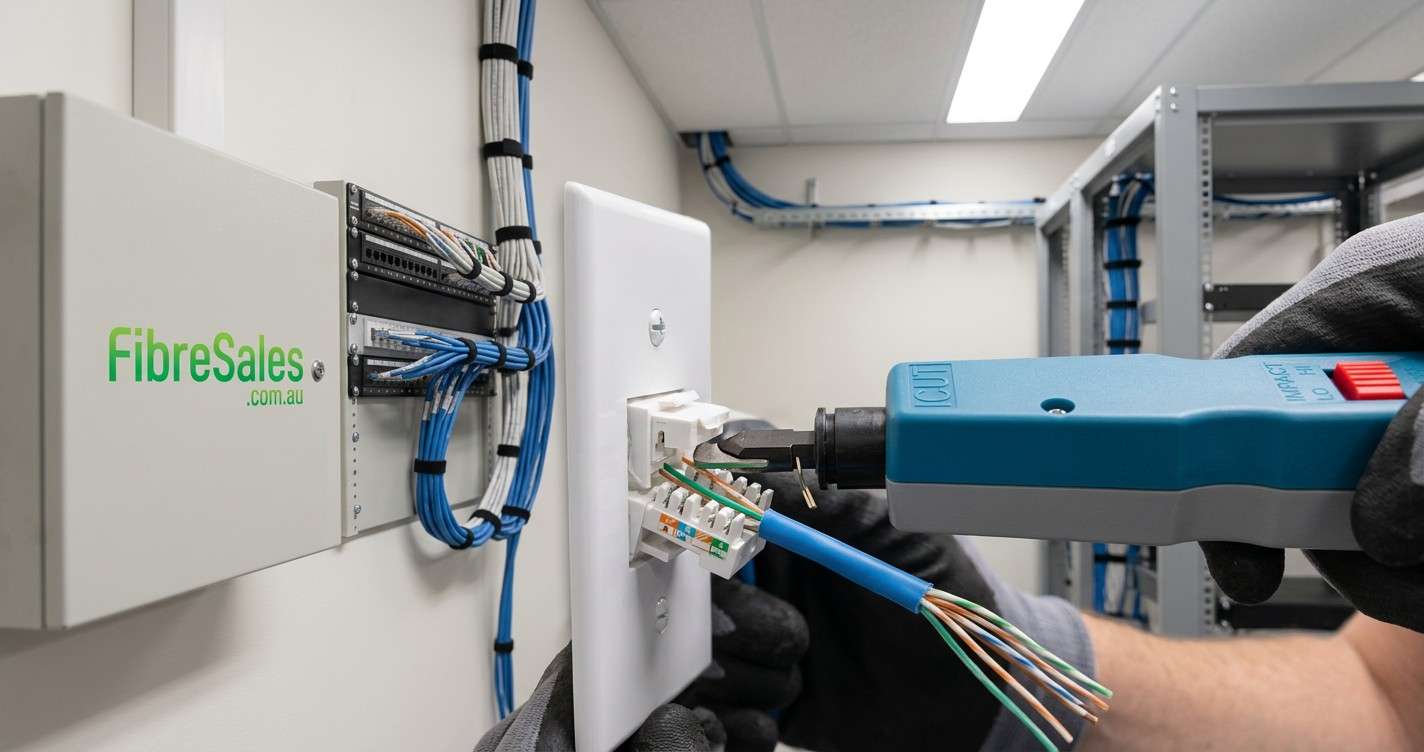
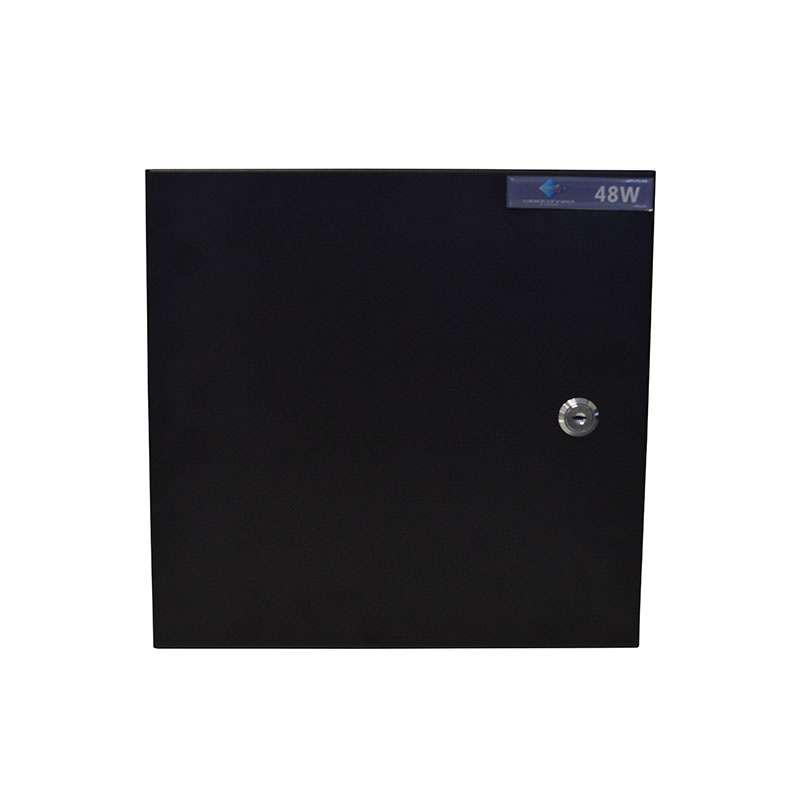
- Wall-Mounted Enclosures (e.g., 48W Enclosure) – Ideal for structured cable management in small spaces.
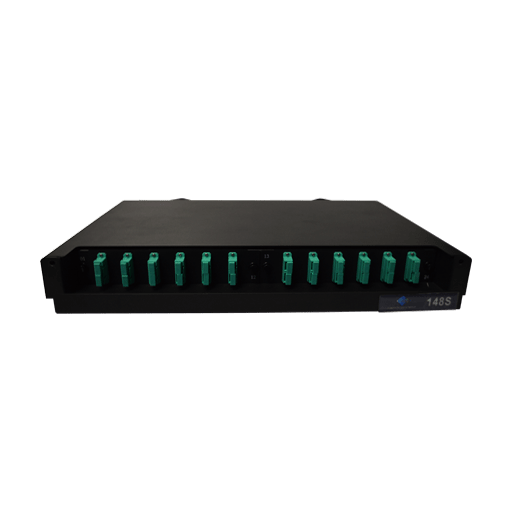
Rack Units (e.g., 148S Enclosure) – Perfect for organising server cables.
Pits and Poles – Provides a structured way to manage underground or elevated cabling.
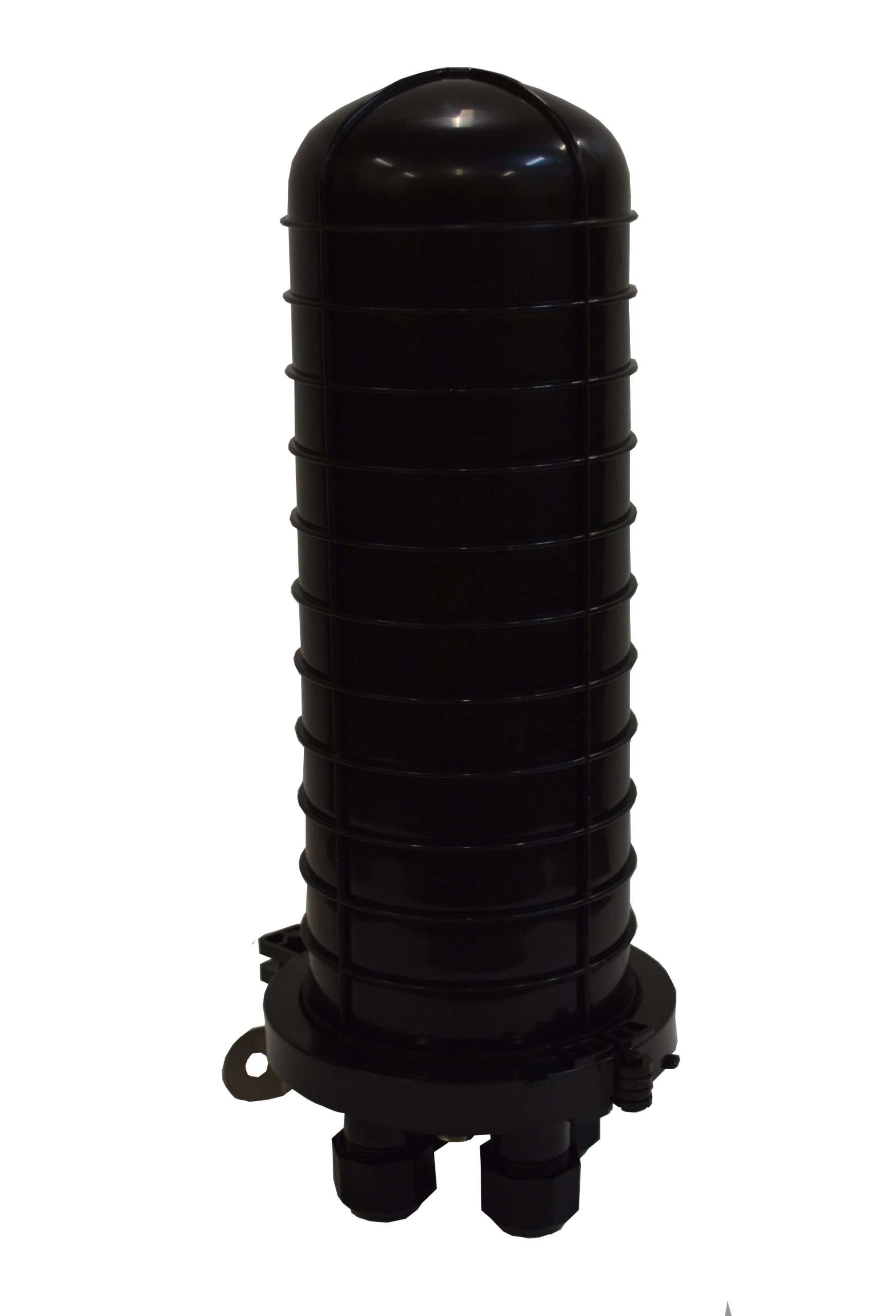
No matter what challenges arise, the golden rules of cable management remain the same:
- Never exceed the bend radius – Over-bending cables weakens their structure and reduces performance.
- Avoid excessive stress – Tight zip ties or improper routing can lead to cable damage over time.
Best Practices for Effective Management
To ensure longevity and functionality, follow these best practices:
- Label Everything – Clearly marking cables eliminates confusion and speeds up troubleshooting.
- Use Proper Lengths – Avoid excessive slack to prevent tangles, but don’t stretch cables too tightly.
- Route Cables Strategically – Position cables away from high-traffic areas and heat sources.
- Utilise Velcro Straps Over Zip Ties – Velcro provides a secure hold without damaging the cables.
- Regular Maintenance – Periodically check and adjust cables to maintain an optimal setup.
One of the most common cable management mistakes happens when moving patch cords. Instead of properly removing and rerouting them, people often layer them over existing cables, leading to a tangled mess. Unlike structured horizontal cabling, which remains static once installed, patch cords require constant movement. Investing in bend-insensitive patch leads can help maintain performance and reduce wear over time.
Conclusion:
Cable management isn’t just about keeping things neat—it’s about efficiency, safety, and reliability. A well-organised system enhances the durability of cables, simplifies troubleshooting, and leaves a lasting impression on clients. By following best practices and using the right tools, you can turn cable management from a challenge into a seamless and rewarding process. After all, a clean and well-structured setup is a reflection of professionalism and expertise.