Why is Fibre Optic Cable a hero in today’s data communications!
In today’s fast-paced digital world, fibre optic cable plays a crucial role in enabling high-speed internet, supporting massive data transmissions, and forming the backbone of global communication networks. Without fibre optics, modern advancements in cloud computing, video streaming, and real-time collaboration wouldn’t exist.
What is Fibre Optic Cable Made Of?
Manufacturers primarily use silica, a key component of sand, to produce fibre optic cables. However, for specialized applications requiring longer-wavelength infrared transmission, they may use other materials.
How is Fibre Optic Cable Made?
The manufacturing process starts with a large glass rod, typically several centimetres in diameter and about a metre long. Engineers then transform this solid rod into a delicate, hair-thin fibre with a diameter of just 125 micrometres, stretching several kilometres in length.
The Fibre Optic Manufacturing Process
1. Glass Fusing Rods
- Engineers immerse the glass rod in a corrosive bath to remove oil residue.
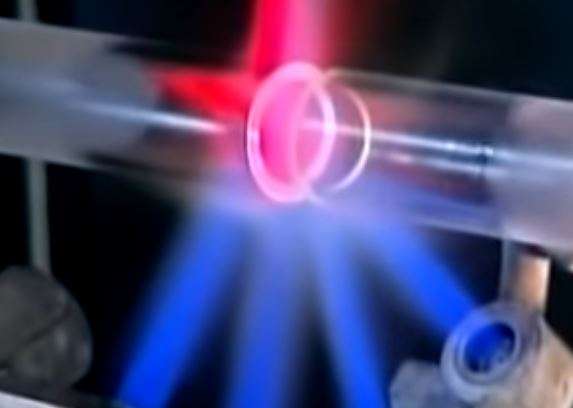
- They heat two glass rods until they reach peak temperature, turning white-hot.
- This process creates a pre-form, a crucial component in fibre production. The pre-form then undergoes an automated process lasting several hours.
2. Drawing the Fibre
- Technicians load the pre-form into a drawing tower, where heat stretches it into a hair-thin fibre.
- They apply protective buffer coatings to enhance durability and prevent damage.
- Once coated, the fibres are wound onto cable drums, each holding over 2 km of fibre
3. Quality Testing
- Engineers subject the finished optical fibres to rigorous tests, evaluating tensile strength, refractive index profile, attenuation, bandwidth, chromatic dispersion, and temperature resistance.
- Each fibre must meet strict standards to ensure high-speed, long-distance data transmission.
Why do we need Fibre Cable in today’s data communications!
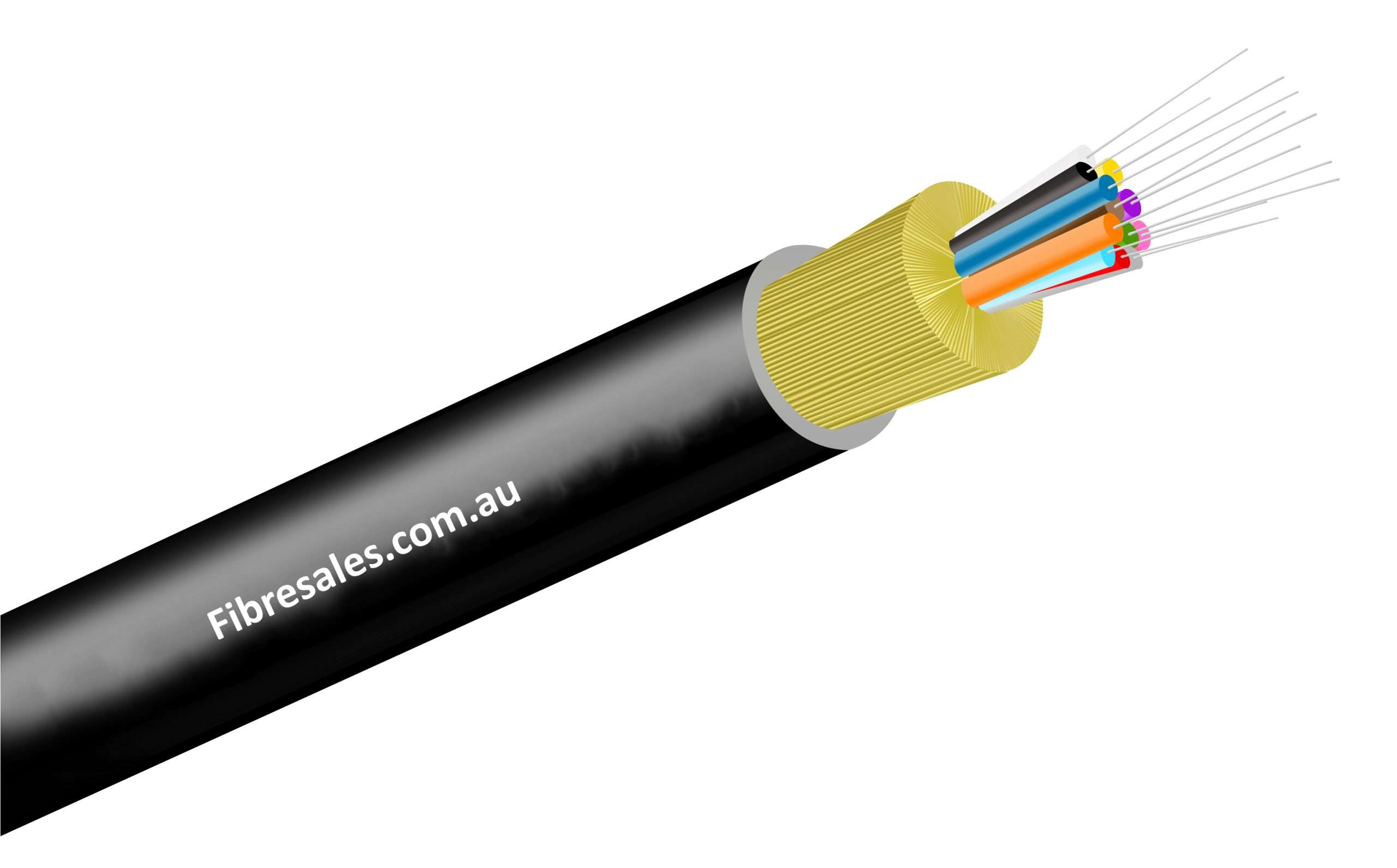
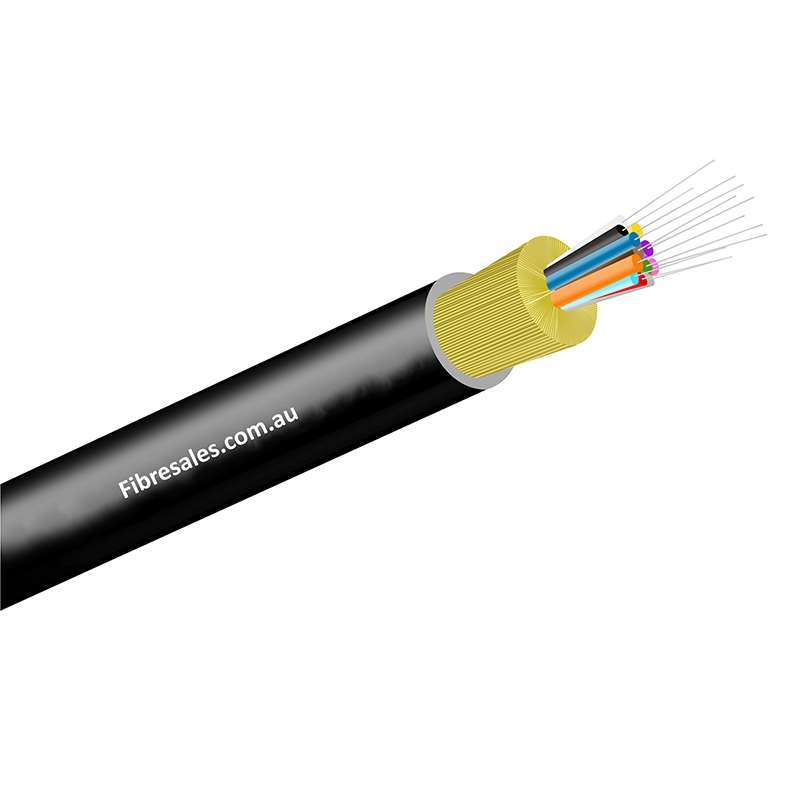
Fibre optic cables outperform traditional copper cables in data capacity, bandwidth, speed, and transmission distance. These cables come in multiple configurations, each containing several fibre strands that transmit information as light.
Types of Fibre Optic Cable
Fibre optic cables fall into two main categories:
- Single-mode fibre cable – Ideal for long-distance communication and high-speed data transfers.
- Multimode fibre cable – Suitable for shorter distances and high-data applications.
To explore the differences between these two types, check out our blog post : Things-To-Know-When-Buying-Fibre-Optic-Cable
Key Benefits of Fibre Optic Cable
Fibre optic cables offer several advantages over traditional copper cables, including:
- High Strength – Despite their thin structure, fibre optics exhibit remarkable strength and withstand environmental challenges.
- Flexibility – Their design allows easy bending and routing, simplifying installation.
- Lightweight Structure – Unlike heavy copper cables, fibre optics are easy to handle.
- Corrosion and Rust Resistance – Fibre does not corrode, ensuring long-term reliability.
- Cost Efficiency – While installation costs can be high, fibre optics require less maintenance and last longer, providing long-term savings.
- Durability – Fibre cables endure extreme temperatures and harsh environmental conditions.
- Minimal Signal Loss – Fibre optics maintain strong signal integrity over long distances.
- Greater Bandwidth – They support significantly higher data transmission rates than copper cables.
- Enhanced Security – Fibre optics resist tapping attempts, making them a secure choice for data transmission.
Conclusion
Fibre optic cables may appear as simple glass threads, but they revolutionize modern communication. The manufacturing process requires precision and expertise, yet the fundamental principle remains—light traveling through glass.
Selecting the right fibre optic cable optimizes data transmission and network performance. Whether for enterprise networks, telecommunications, or home internet connections, fibre optics continue to transform the way we communicate.
The future of connectivity shines bright—thanks to fibre optics!