
Fibre Media Converter Guide: Types, Uses & How to Choose the Right One
In fibre optic networking, a fibre media converter plays a critical role in bridging physical and protocol differences between network segments. They enable seamless communication and infrastructure expansion without major overhauls.
Whether your project involves converting copper to fibre, linking singlemode to multimode, extending reach via WDM, or preparing for future upgrades, the right media converter can cut costs and downtime.
This guide covers what media converters are, their core functions, and a breakdown of every major type. It also includes selection criteria with real-world use cases, deployment best practices, ROI considerations, and answers to frequently asked questions.
If you need a reliable, high-performance media converter, explore our FibreSales media converter range for locally stocked, carrier-grade options.
What Is a Fibre Media Converter?
A fibre media converter is a device that transparently converts one form of network media to another. It does this while preserving the underlying data protocols.
Common functions include:
Converting copper Ethernet (RJ45) to fibre optic.
Bridging singlemode and multimode fibre via mode conversion.
Supporting different wavelengths using WDM or BiDi technology.
These devices overcome copper’s distance limitations, typically around 100 metres. Fibre can transmit over kilometres without significant signal degradation.
They also support phased upgrades. This allows you to integrate fibre into existing copper networks without replacing all cabling at once.
For an in-depth look at fibre standards, see the official IEEE 802.3 Ethernet Standards.
How Fibre Media Converters Work
Inside the chassis, you’ll find:
Optical Transceiver/SFP Module – Converts electrical signals from copper into light pulses for fibre, and vice versa. This uses precise laser or LED sources optimised for the fibre type. In modular designs, SFPs can be swapped to change speed, wavelength, or transmission distance.
Internal Logic & Power Supply – Manages data flow, voltage regulation, and media-specific requirements. This ensures that signal integrity and timing are preserved during the conversion process. Some models integrate diagnostic tools, signal regeneration circuits, and intelligent power management for energy efficiency.
Optical/Electrical Interfaces – These are the physical connection points for copper and fibre cables. Many include LED indicators to show link status, activity, and potential faults. High-quality connectors reduce insertion loss and maintain optimal signal quality.
The conversion process is near-instantaneous, with latency under 1 μs. It is completely transparent, meaning network devices communicate as though they are directly connected. No extra configuration or protocol translation is needed.
Types of Fibre Media Converters
1. Singlemode Media Converters
- Designed for long-haul transmission — up to 120 km with the right optics.
- Best for inter-building links, backbones, and metropolitan area networks.
2. Multimode Media Converters
- Optimised for shorter runs: ~550 m at 1G, up to 2 km at lower rates.
- Common in campus layouts, data centres, and building interiors.
3. WDM/BiDi Media Converters
- Transmit and receive on a single fibre strand, saving on infrastructure.
- Useful where fibre availability is limited or conduit space is constrained.
4. SFP-Based Media Converters
- Feature modular SFP slots for flexible upgrades in speed, wavelength, and reach.
- Extend the life of the hardware by simply swapping the transceiver.
Fibre Media Converter vs Switch with SFP
While switches with SFP ports can perform similar functions, dedicated media converters are often the more efficient and cost-effective choice for straightforward connectivity tasks:
- Cost less for simple point-to-point links, especially when switching features are unnecessary.
- Provide true plug-and-play operation without firmware upgrades, software configurations, or complex setup processes.
- Are physically smaller, lighter, and easier to deploy in tight spaces or remote enclosures.
- Require less power, produce less heat, and are often fanless, making them quieter and more reliable in sealed environments.
Choose a switch if you require advanced switching, routing, VLAN segmentation, or multiple port aggregation. Choose a media converter if your primary goal is to bridge two different media types or extend your network cost-effectively without introducing extra layers of complexity.
Selection Criteria
When choosing, evaluate:
- Data Rate – Match device to link speed (1G, 10G, 25G, or higher) and ensure compatibility with both current and future network requirements.
- Fibre Type – Select singlemode for long distance and backbone connections, or multimode for short-range, high-density environments like data centres.
- Distance Rating – Ensure the converter supports your required span, factoring in potential future extensions and any attenuation from splices or patch panels.
- Connector Style – Choose between SC, LC, ST, MPO, or other specialised connectors based on your existing infrastructure to reduce the need for adaptors.
- Duplex vs WDM – Weigh fibre availability against redundancy needs; WDM can save fibre strands, while duplex offers simplicity and often lower per-link loss.
- Power – Consider AC/DC inputs, battery backup, or PoE options for remote locations where power access is limited, and assess power efficiency over time.
- Environment – Opt for industrial-grade models with extended temperature ranges, dust protection, or ruggedised enclosures for harsh or outdoor conditions, especially in telecom towers or roadside cabinets.
Cost & ROI
Basic units start around $44, while managed or industrial-grade models can exceed $300. While the initial outlay for premium models may seem high, it’s essential to consider the total cost of ownership over several years. Avoid false economies: unreliable devices can incur repeated truck rolls, costly technician callouts, extended downtime penalties, and potential SLA breaches that can damage customer trust and reputation.
In addition, cheaper models often lack diagnostics, meaning troubleshooting takes longer and replacement cycles are shorter, further driving up operational expenses. Spending more upfront on robust, managed, or industrial-rated converters can result in better performance, improved uptime, and lower lifetime costs.
Case example: Replacing unmanaged converters that failed quarterly with managed, industrial-rated models reduced field visits by 80%, eliminated unexpected service disruptions, and paid back the investment in under a year. The improved reliability also freed up IT resources to focus on proactive network improvements instead of reactive maintenance.
fibresales SFP Media Converter Range
Deployment Best Practices
- Bench-test before field deployment to ensure compatibility, confirm correct operation, and avoid costly field failures.
- Use certified, high-quality patch leads and verify cleanliness of connectors to prevent insertion loss.
- Match optics precisely to fibre type, connector, and distance; double-check manufacturer specifications to prevent mismatch issues.
- Label all connections clearly and document port assignments for rapid troubleshooting and easier future maintenance.
- Maintain spares for critical links, including extra converters, SFPs, and patch leads, to minimise downtime during unexpected failures.
- Conduct periodic inspections and cleaning of fibre connections, and keep firmware or configuration documentation updated if using managed models.
Final Verdict
A fibre media converter remains one of the most cost-effective and flexible tools for expanding or upgrading network infrastructure without full-scale replacement. By understanding the different types, key specifications, and deployment best practices, you can select a model that not only meets today’s needs but also adapts to tomorrow’s demands. Whether it’s extending your network reach, improving reliability, or bridging incompatible media types, the right converter can deliver excellent ROI and long-term performance.
FAQs
- Can I mix singlemode and multimode?
Yes, but only with mode-converting models or compatible optics. These units use integrated electronics or specialised transceivers to translate between the different core sizes and light propagation methods, ensuring minimal additional loss. - What is the latency impact?
Negligible — under 1 μs in most cases, which is insignificant for even latency-sensitive applications like VoIP or financial trading. The conversion process is hardware-based, meaning no additional processing delay. - Do media converters support PoE?
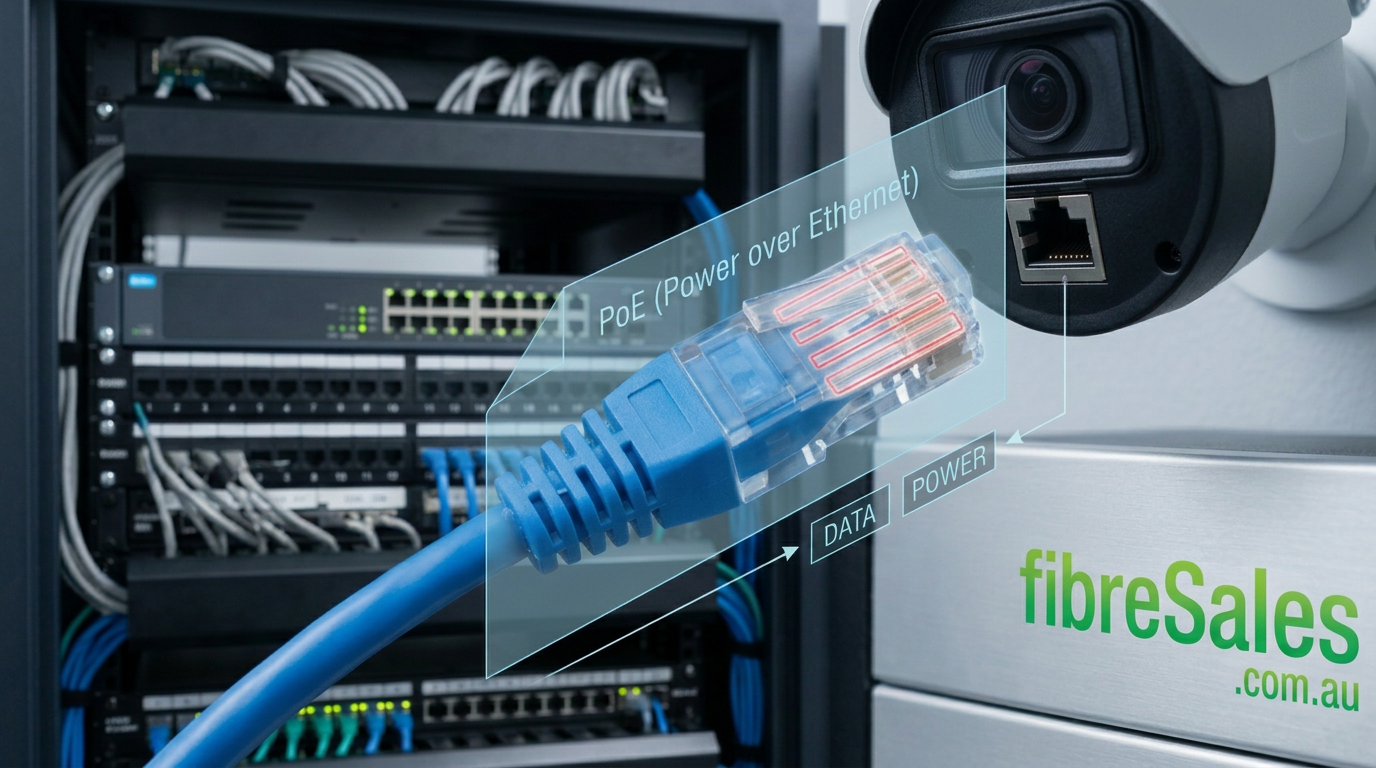
Available in specific PoE-capable models, which can power remote devices like IP cameras, wireless access points, or VoIP phones directly over the Ethernet cable while still performing the fibre conversion. - Are managed models worth it?
For critical links, yes — they provide monitoring, loopback, and fault isolation, along with SNMP integration, remote configuration, and real-time alerts, which can significantly reduce troubleshooting time and improve uptime. - Can I use a media converter for 10G or higher speeds?
Yes, but ensure the model is rated for the desired data rate and equipped with compatible optics. Many modern SFP+ and QSFP-based converters support 10G, 25G, and beyond. - What’s the lifespan of a quality media converter?
With proper care, quality models can last 7–10 years or more, especially when deployed in controlled environments and paired with high-grade optics.