Bend Insensitive – Understanding Fibre Optic Cable Bend Radius and Its Impact
Fibre optic cables play a vital role in modern networking, enabling high-speed data transmission over long distances. To maintain peak performance, these cables must be handled carefully, especially when bending. The bend radius is a key factor that determines how much a cable can bend before experiencing performance issues or sustaining permanent damage.
The Consequences of Overbending Fibre Optic Cables
Bending a fibre optic cable beyond its specified minimum bend radius can lead to several problems:
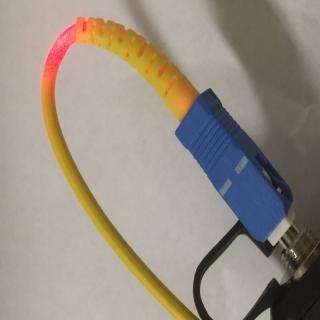
- Signal Loss (Bend Loss): Excessive bending can cause the optical signal to refract and escape through the cladding, significantly reducing signal strength.
- Permanent Damage: Extreme bends can create micro-cracks in the fibre, degrading performance over time and potentially causing total failure.
- Increased Attenuation: Tighter bends lead to higher attenuation, meaning signal strength diminishes more quickly over distance.

Understanding Minimum Bend Radius in Fibre Optic Cables
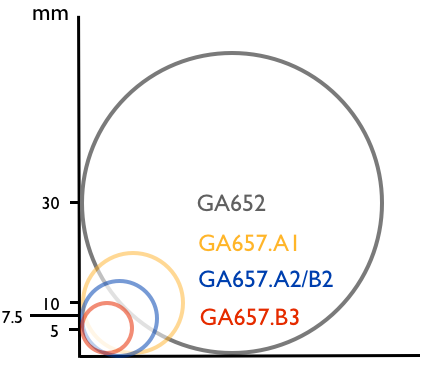
The minimum bend radius defines the smallest radius a fibre optic cable can be safely bent without excessive signal loss or physical damage. Several factors determine this specification, including:
- Type of fibre optic cable (single-mode or multimode)
- Tensile load during installation
- No-load condition after installation
- Cable’s outer diameter (OD)
Calculating the Minimum Bend Radius
The minimum bend radius is determined using this formula:
Allowable Bend Radius = Cable Multiplier x Cable Outer Diameter
The cable multiplier depends on the fibre type and industry standards, categorized into:
- Short-term bend radius: The maximum bend allowed during installation.
- Long-term bend radius: The recommended bend after installation to ensure durability.
What is a Bend-Insensitive Fibre Optic Cable?
Bend-insensitive fibre optic cables (BIF) are engineered to withstand tighter bends without significant signal loss. They feature a lower refractive index trench around the core, redirecting light back into the core instead of allowing it to escape. These cables are ideal for:
- Data centres with limited space
- High-density cabling environments
- Fibre-to-the-home (FTTH) installations
- Industrial and harsh environments
Different Types of Bend-Insensitive Fibre Optic Cables
1. Bend-Insensitive Single-Mode Fibre (BISMF)
Introduced in 2007, BISMF resists bending, stretching, and twisting without major performance degradation. The ITU classifies these fibres under G.657:
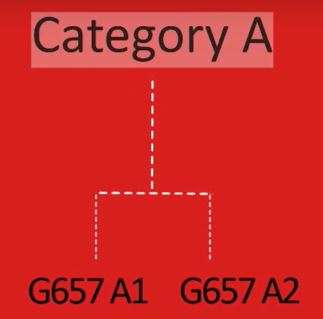

- G.657.A: Tight-buffered, primarily for indoor use.
- G.657.B: Loose tube, generally used outdoors.
Both versions provide enhanced flexibility, making them ideal for modern data-driven infrastructures with space constraints.
2. Bend-Insensitive Multimode Fibre (BIMMF)
BIMMF is widely used in data centres and intra-building backbones where high bandwidth and minimal signal loss are crucial. These cables are available in various laser-optimized grades:
- OM2, OM3, OM4, and OM5
- Up to 10 times less signal loss compared to traditional multimode fibre when bent
Best Practices for Fibre Optic Cable Installation
To ensure optimal performance and longevity of fibre optic cables, follow these best practices:
- Adhere to the minimum bend radius: Always follow manufacturer guidelines to prevent signal loss or damage.
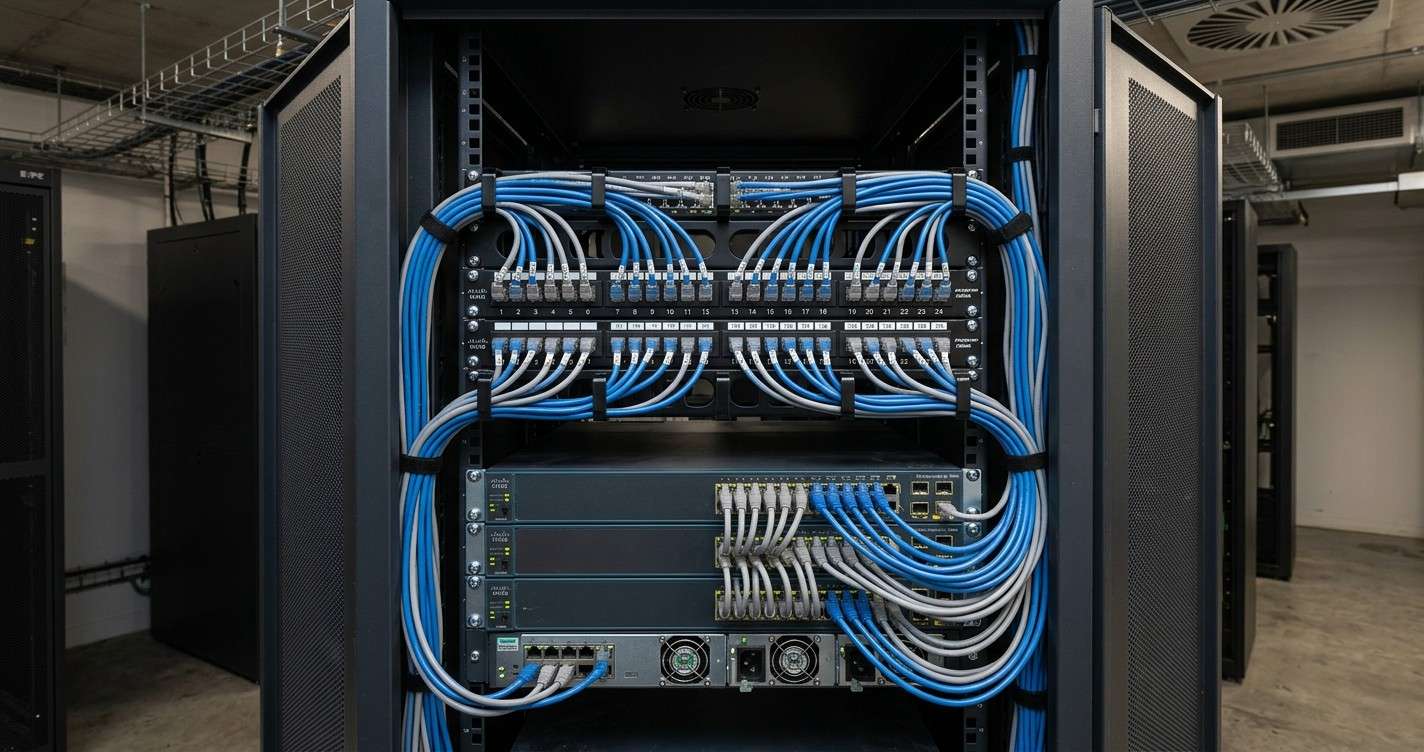
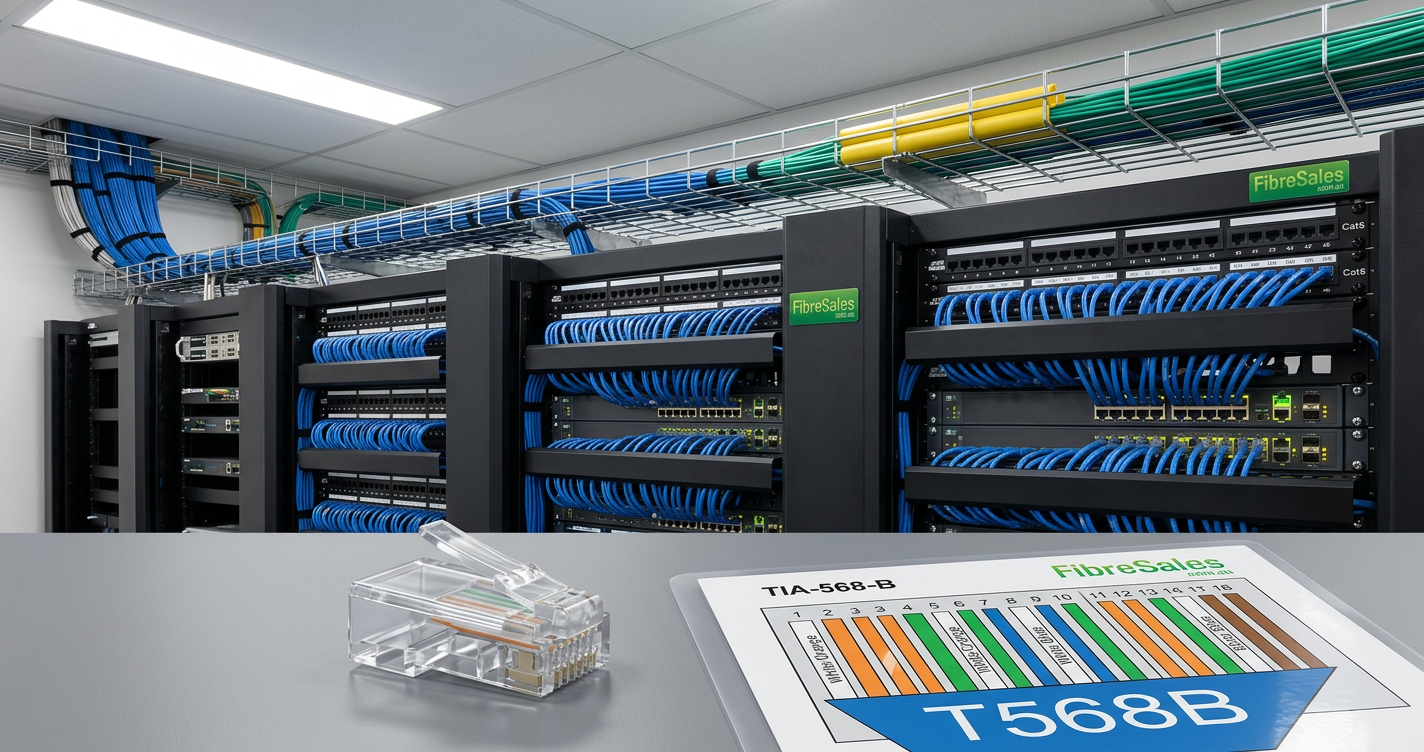
- Use proper cable management: Implement cable trays, ducts, and guides to avoid excessive bending and stress.
- Avoid excessive pulling force: Stay within recommended tension limits to prevent stretching and internal damage.
- Secure cables correctly: Use Velcro straps instead of zip ties to avoid pressure points.
- Perform regular inspections: Check for bends, kinks, or damage that could compromise performance.
Conclusion
Bend radius plays a crucial role in maintaining the efficiency and reliability of fibre optic networks. Using bend-insensitive fibre optic cables and following best installation practices helps reduce signal loss, minimize downtime, and extend the network’s lifespan. Always follow industry standards and manufacturer recommendations for a seamless and robust fibre optic installation.