Fibre Optic Cleaning: The Dirty Secret in the Fibre Optic World
Many fibre optic installers unknowingly rely on ineffective cleaning methods, leaving behind contamination that is only visible under a microscope. Without thorough inspection of every connection, they risk reduced signal strength and compromised data transfer capacity. While some installers confidently click their devices or wipe connectors with alcohol, these methods often fall short, allowing contaminants to persist and degrade performance.
The Good News: Reliable Cleaning Methods
Fortunately, advanced cleaning techniques now ensure effective and consistent cleaning of fibre optic connectors—eliminating contamination the first time, every time. By adopting these new methods, installers can maintain peak performance and prevent costly downtime due to signal loss or system failures.
The Importance of Fibre Optic Cleaning
Clean fibre optic components are critical for high-quality connections. Regular and effective cleaning is the most essential maintenance practice for any fibre optic system. Even microscopic dust particles can disrupt performance, leading to connection failures or complete system breakdowns.
Contaminants cause a range of issues:
- Blocked Signal Transmission: A 1-micrometer dust particle on a single-mode core can obstruct up to 1% of the light, causing a 0.05dB loss.
- Severe Obstructions: A 9-micrometer speck—too small to see without magnification—can completely block the fibre core.
- Scratched Fibre Ends: Particles trapped between fibres can scratch glass surfaces, permanently damaging the connectors.
- Misalignment Issues: Even if a particle settles on the cladding or near the fibre end, it can create air gaps and misalignments, drastically degrading signal quality.
To put this in perspective, a human hair measures between 50 to 75 micrometres in diameter—many times larger than the particles that can impact fibre optic connections. Since dust is always present in the air, regular and thorough cleaning is essential to maintaining optimal performance.
In addition to dust, other contaminants pose a threat:
- Oils from human hands
- Film residues from airborne vapours
- Powdery coatings left after water or solvent evaporation
Essential Fibre Optic Cleaning Tools
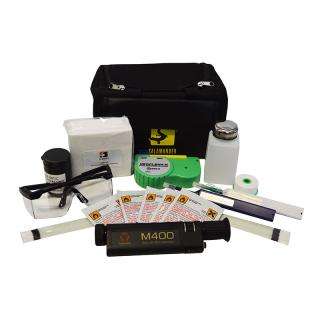
To combat contamination effectively, professionals must use the right tools for the job. The following cleaning solutions ensure a pristine fibre optic connection every time:
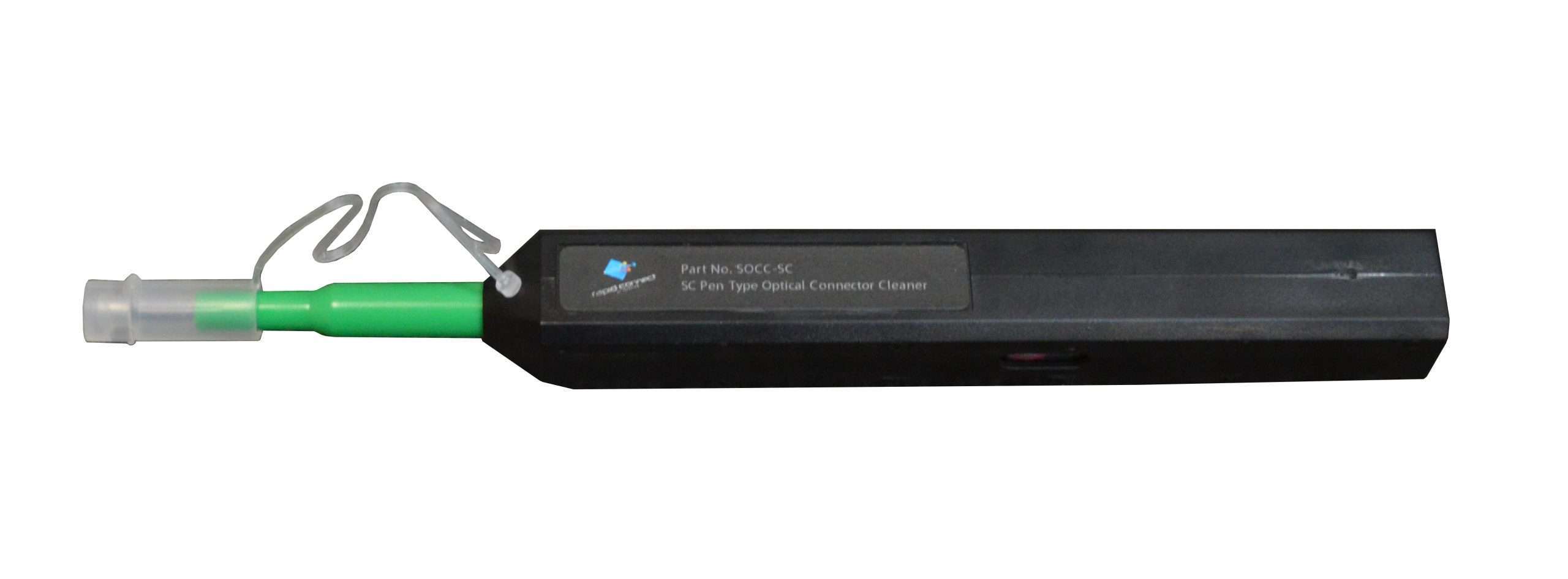
2.5mm One-Click Cleaner
With a single push, the 2.5mm One-Click Cleaner eliminates dust and oils from fibre optic connectors.
- Suitable for SC, ST, and FC connectors, as well as 2.5mm adapters
- Provides quick and reliable cleaning for high-performance connections
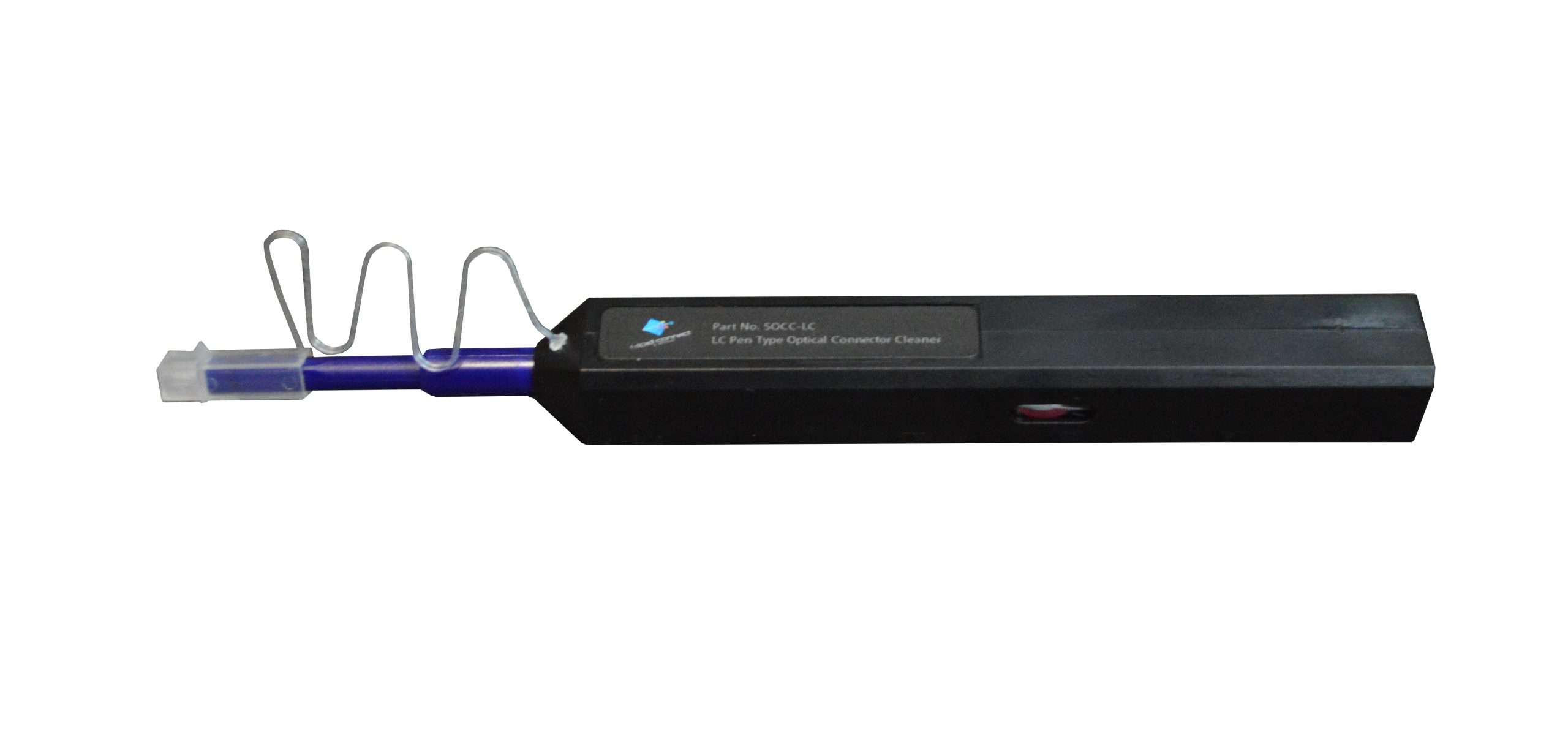
 1.25mm One-Click CleanerThis compact tool delivers powerful cleaning action with just one push, removing contaminants from fibre optic connectors.
|
Cassette CleanerThe Cassette Cleaner offers a high-quality, scratch-free cleaning solution for fibre end faces.
|
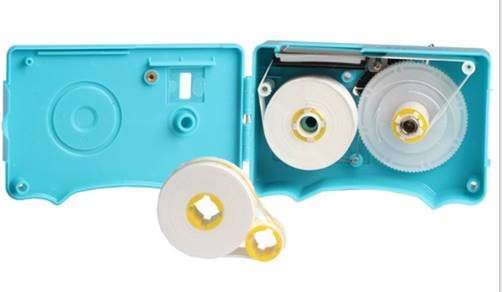
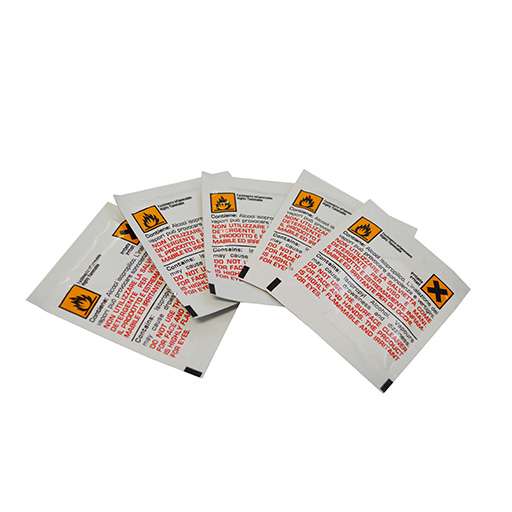
Pre-Saturated Cleaning WipesPre-Saturated Fibre Optic Cleaning Wipes provide a fast and effective solution for removing oils and other contaminants.
Conclusion: The Cost of Ignoring Fibre Optic CleaningNeglecting proper cleaning can lead to severe performance issues, costly repairs, and unnecessary downtime. Contaminants—whether dust, oil, or film residues—can be difficult to remove and, if left unchecked, may cause irreversible damage to equipment. Investing in the right cleaning tools and following best practices ensures consistently high-quality connections, maximizing efficiency and reliability. By prioritizing thorough and effective cleaning, fibre optic professionals can prevent signal loss, extend equipment lifespan, and maintain top-tier performance in any fibre optic system. Whether using one-click cleaners, cassette cleaners, or pre-saturated wipes, having the right tools readily available guarantees a cleaner, stronger, and more dependable fibre optic network. |