
Kevlar in Fibre Optic Cables.
A synthetic material, consists of poly-para-phenelyne-terephthalamide. Manufacturers spin it into ropes or fabric sheets, which can be used alone or as components in composite materials.
Structure and Strength
As a polymer, it features repeating units bound together to form large molecules. These chains naturally align parallel to each other, exhibiting nematic behavior similar to liquid crystals in LCD screens. Cross-linked hydrogen bonds enhance tensile strength, making it eight times stronger than steel wire.
Tensile strength refers to a material’s resistance against forces that cause elongation. It excels in this aspect, providing exceptional durability.
.
Benefits of Kevlar
- Lightweight: Despite its strength, it is much lighter than steel.
- Heat Resistant: It decomposes at 450°C but does not melt or expand under heat.
- Abrasion Resistant: Offers excellent durability against wear and tear.
Grades
Different grades vary in quality, with Kevlar K29 and K49 being the most commonly used.
Kevlar in Fibre Optic Cables
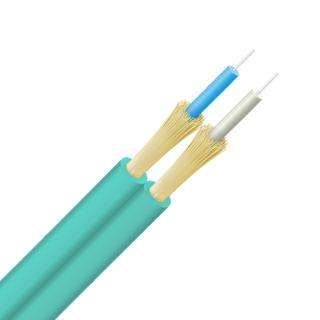
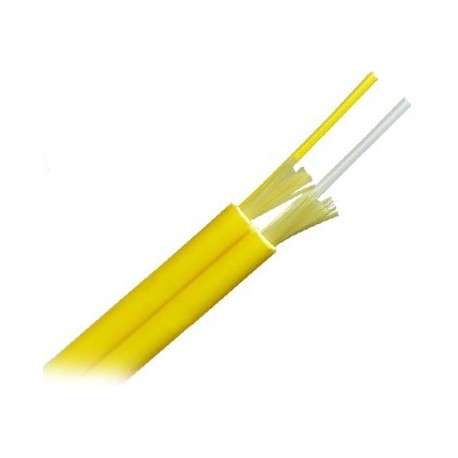
Fibre optic cables require protection from mechanical stress to maintain peak performance. Kevlar, applied around the periphery, strengthens and safeguards the fibres. Acting as a strength member, it allows cables to endure pulling tension during installation.
Technicians use it for:
- Cushioning optical fibres from damage
- Pulling cables through conduits or building floors
- Ensuring flexibility and durability
It’s properties also help meet dielectric, weight, diameter, and handling requirements in fibre optic applications.
Kevlar Reinforced Plastic (KRP)
When combined with resins, it forms Kevlar Reinforced Plastic (KRP). This material serves as a central strength member, enhancing compression resistance and flexibility while maintaining a low diameter.
Fibre Optic Cable Composition
Optical fibres are bundled around a central steel or plastic support core. Protective layers, including aluminium, Kevlar, and polyethylene, shield the fibres from environmental stress.
Conclusion
- Kevlar enhances fibre protection by reinforcing the cable structure.
- During installation, it withstands high pulling tension.
- As a protective barrier, it shields fibres from external damage.
Fibre optic cables rely on it’s strength and resilience to ensure reliable data transmission.