Understanding Fibre Optic Cable Bend Radius and Its Impact
Fibre optic cables play a crucial role in modern networking, enabling high-speed data transmission over long distances. To maintain optimal performance, handling them carefully is essential—especially when bending them. The bend radius determines how much a cable can bend before experiencing performance issues or sustaining permanent damage.

Consequences of Excessive Bend Radius in Fibre Optic Cables
Bending a fibre optic cable beyond its minimum bend radius can cause several issues:
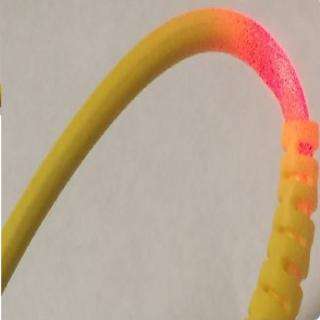
- Signal Loss (Bend Loss): Excessive bending can make the optical signal refract and escape through the cladding, leading to a significant drop in signal strength.
- Permanent Damage: Severe bending can create micro-cracks in the fibre, degrading its performance over time and potentially causing complete failure.
- Increased Attenuation: A tighter bend leads to higher attenuation, meaning the signal weakens more rapidly over distance.
Understanding Minimum Bend Radius in Fibre Optic Cables
The minimum bending radius defines the smallest radius a fibre optic cable can safely bend without excessive signal loss or physical damage. Several factors influence this specification, including:
- Fibre optic cable type (single-mode or multimode)
- Tensile load (stress during installation)
- No-load condition (when the cable is at rest after installation)
- Outer diameter (OD) of the cable
Calculating the Minimum Bend Radius
Use this formula to determine the minimum bend radius:
Allowable Bend Radius = Cable Multiplier x Cable Outer Diameter
The cable multiplier varies based on the cable type and industry standards. It generally falls into two categories:
- Short-term bend radius: The maximum allowable bend during installation.
- Long-term bend radius: The recommended tightest bend after installation to ensure prolonged cable integrity.
Bend-Insensitive Fibre Optic Cables
Bend-insensitive fibre optic cables (BIF) allow tighter bends without significant signal loss. They incorporate a lower refractive index trench around the core, redirecting light back into the core instead of letting it escape. These cables are ideal for:
- Data centres with limited space
- High-density cabling environments
- Fibre-to-the-home (FTTH) installations
- Industrial and harsh environments
Types of Bend-Insensitive Fibre Optic Cables
1. Bend-Insensitive Single-Mode Fibre (BISMF)
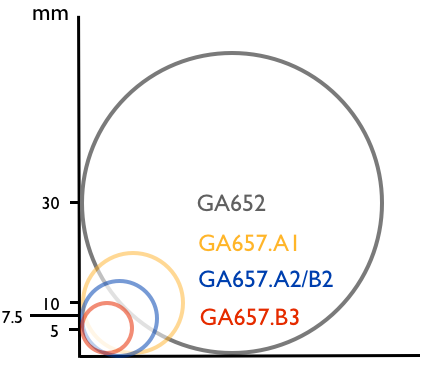
Introduced in 2007, BISMF resists bending, stretching, and twisting while maintaining performance. The ITU G.657 recommendation classifies it into:
- G.657.A: Tight-buffered, mainly for indoor use.
- G.657.B: Loose-tube, typically used outdoors.
Both versions provide greater flexibility, making them ideal for modern data-driven infrastructures with space constraints.
2. Bend-Insensitive Multimode Fibre (BIMMF)
BIMMF supports high bandwidth and minimizes signal loss, making it a popular choice for data centres and intra-building backbones. These cables come in various laser-optimized grades, including:
- OM2, OM3, OM4, and OM5
- 10 times less signal loss compared to traditional multimode fibre when bent
Best Practices for Fibre Optic Cable Installation
Follow these best practices to ensure optimal performance and longevity:
- Respect the minimum bend radius: Always adhere to manufacturer specifications to prevent signal loss or damage.
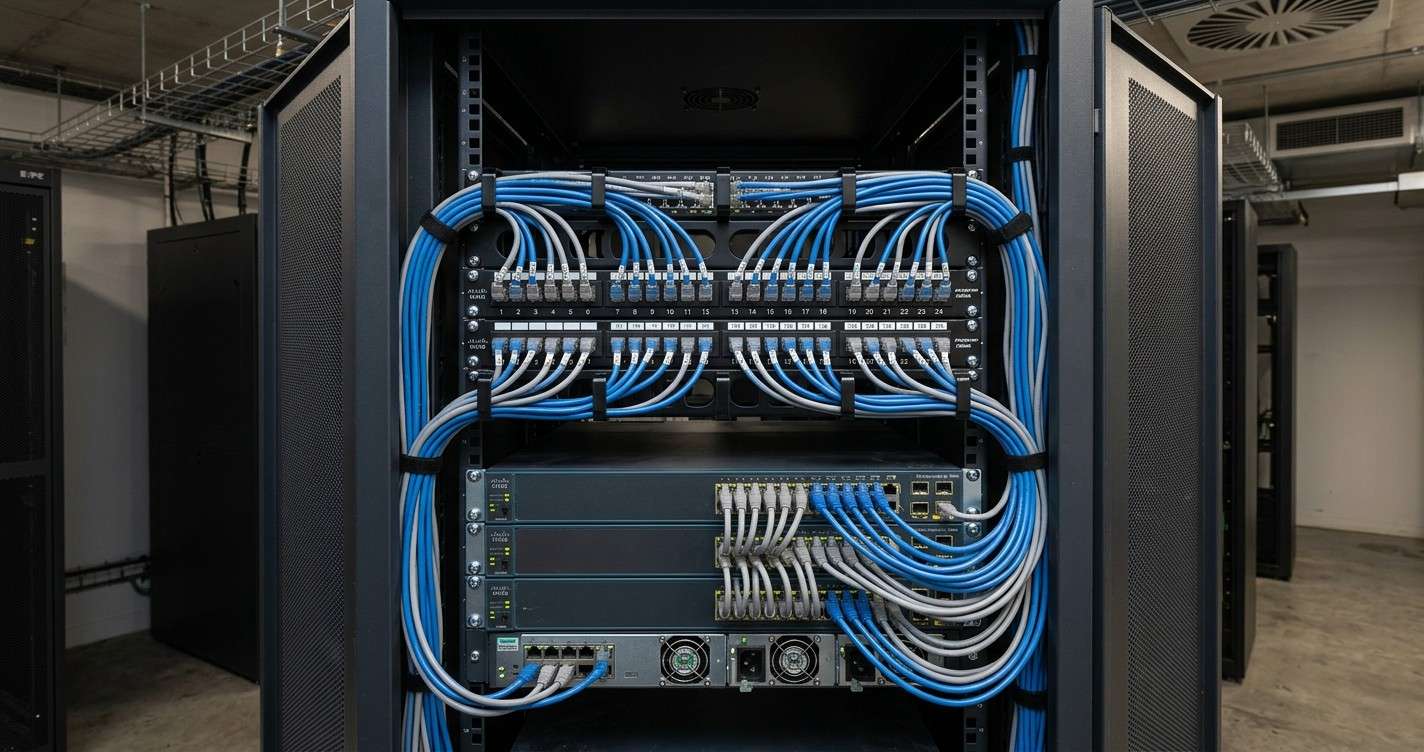
- Use proper cable management: Utilize trays, ducts, and guides to avoid excessive bending and stress.
- Avoid excessive pulling force: Follow recommended pulling tension limits to prevent stretching and internal damage.
- Secure cables properly: Use Velcro straps instead of zip ties to avoid unnecessary pressure points.
- Conduct regular inspections: Check for bends, kinks, or physical damage that might compromise performance.
Conclusion
Bend radius plays a critical role in ensuring fibre optic networks function efficiently and reliably. Using bend-insensitive fibre optic cables and following best installation practices can help reduce signal loss, minimise downtime, and extend network infrastructure lifespan. Adhering to industry standards and manufacturer recommendations ensures a seamless and robust fibre optic installation.

follow us on twitterhttps://twitter.com/FibreSalesAus/status/1130645318595334144
follow us on facebook https://www.facebook.com/pg/fibresales.com.au/posts/?ref=page_internal