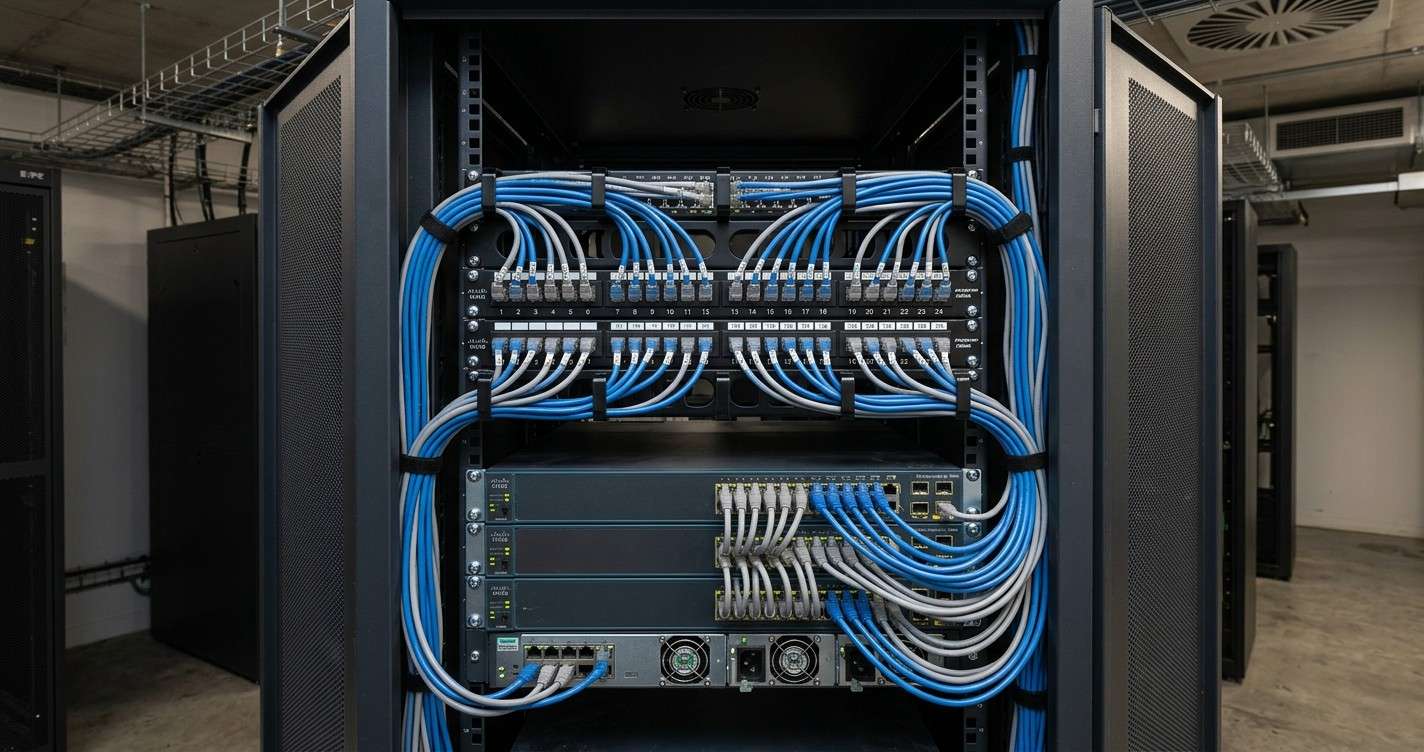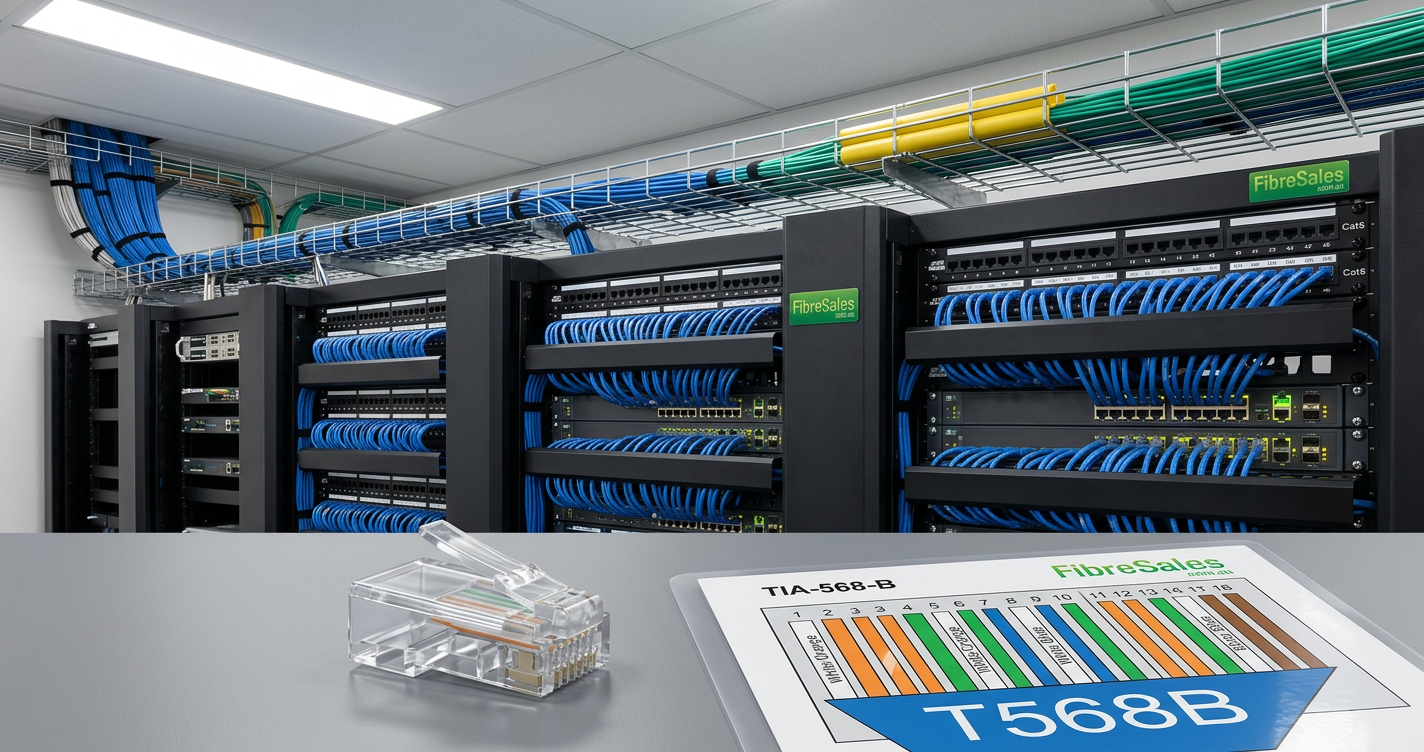
Cisco Switches, a brand name we all know.
Cisco Switches are a well-known brand. Especially when it comes to networking products.
However, in today’s communications world we have many other choices when it comes to networking switches, with most options providing the same or similar results.
NetworkSwitches come in various speeds
A fibre optic network switch can also be referred to as a fiber optic Ethernet switch.
These network switches come in various different data rates being:
- Fast Ethernet switch with a data rate of 10/100 Mbps
- Gigabit Ethernet switch with a data rate of 10/100/100 Mbps
- Ten Gigabit Ethernet switch with a data rate of 10/100/1000/10000 Mbps
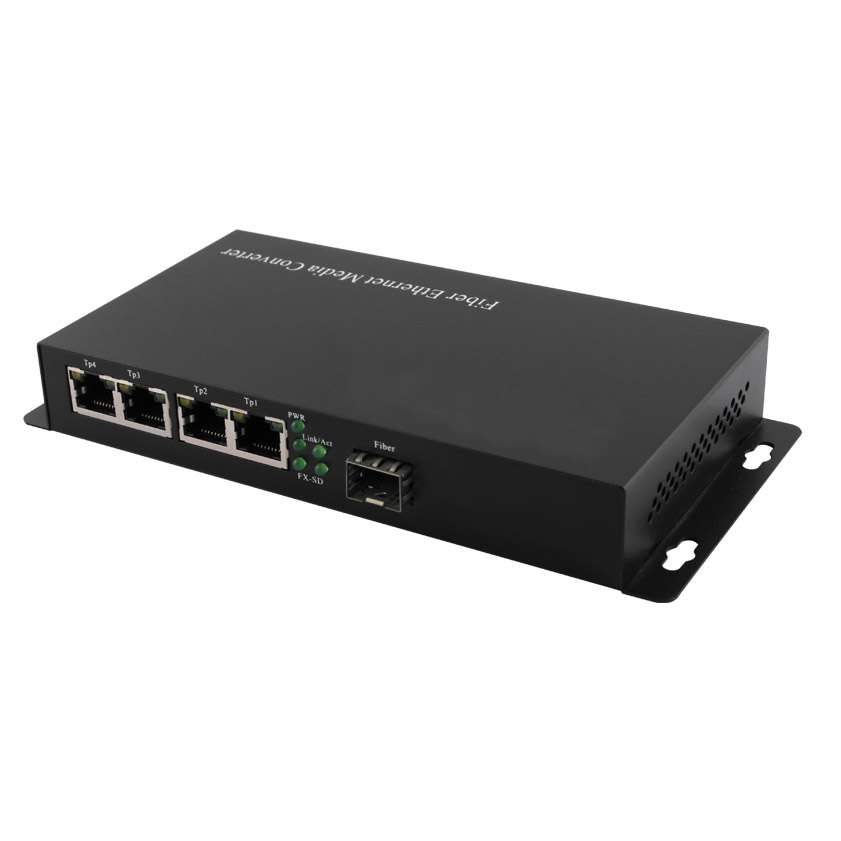
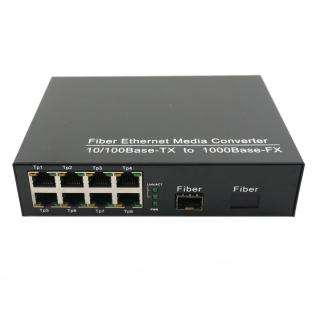
Network switches come in varying configurations.
All this means really is multiple ports. Fixed configuration switches typically come in 2, 5, 8, 10, 16, 24, 28, 48, and 52-port configurations.
Typically, these ports are a combination of fibre and copper but mainly they are copper ports with RJ-45 connectors.
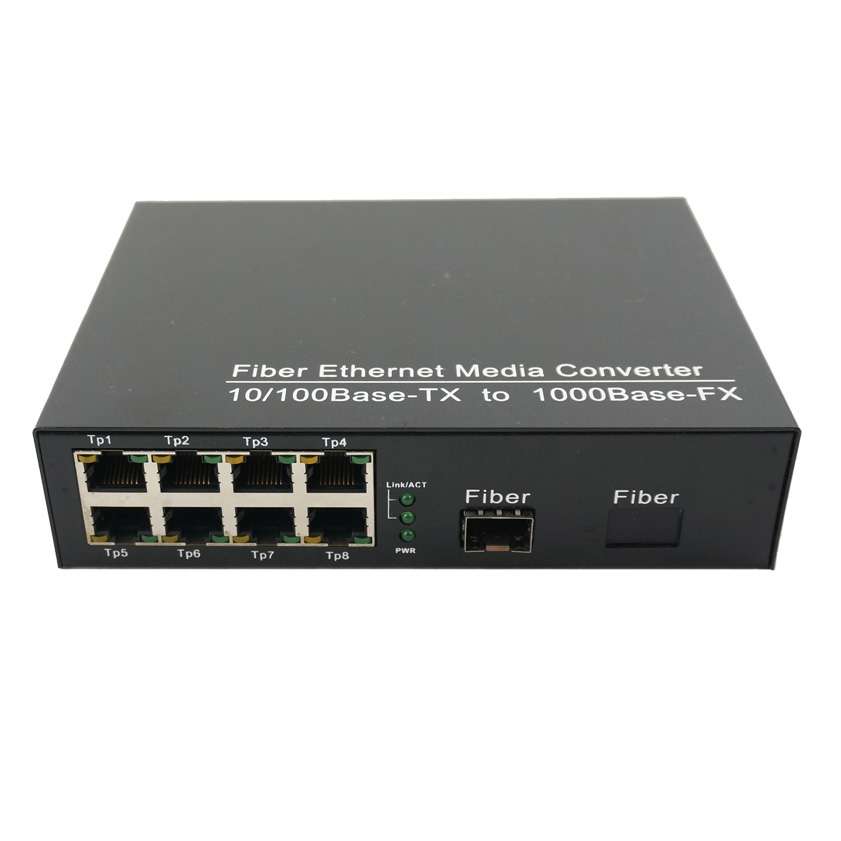
You can have from the most basic 1 fibre and 1 copper or 1 fibre to 1 fibre as pictured below (also called a media converter) to as many as 52 Copper to 2 Fibre combinations as standard. Also available with 288 ports but that is another story.
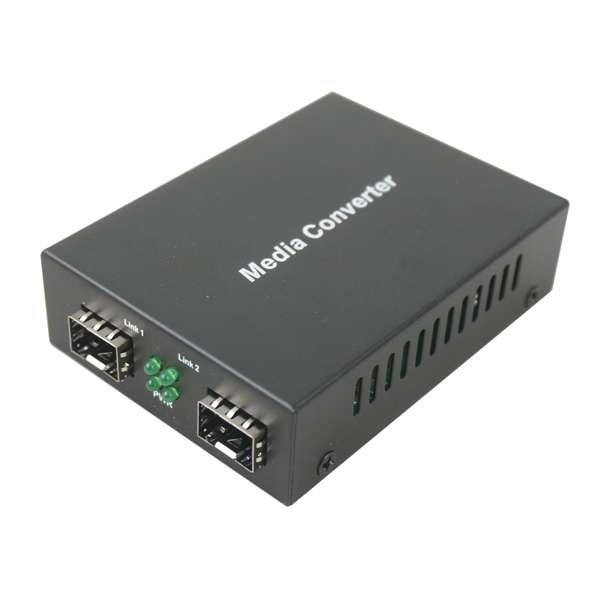
Switches are important devices to any network.
Cisco Switches like most other devices provide ports for SFP’s. These SFP Ports allow for the connection to a Fibre Optic or Copper Network.
SFP ports are found on most Ethernet Switches, Routers, Firewall, and Network Interface Cards.
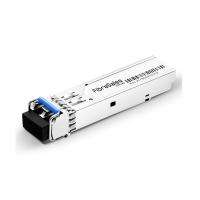
SFP stands for Small Form Pluggable and is basically a GBIC (Gigabit Interface Converter) but much smaller in size. This difference in size allows for more ports on a switch making this the more practical option.
This type of transceiver is known as a hot-swappable, compact module that can plug into any SFP port.
The SFP Multi-source Agreement
A multi-source agreement (MSA) is an agreement between multiple manufacturers to make products that are compatible across vendors, acting as de facto standards, establishing a competitive market for interoperable products.
Products that adhere to multi-source agreements (MSAs) include optical transceivers, such as the SFP, SFP+, XENPAK, QSFF, XFF, CFP, etc.; fibre optic cables; and other networking devices.
MSAs strictly define the operating characteristics of these network devices so that system vendors may implement ports in their devices (e.g. Ethernet switches and routers) that allow MSA compliant devices produced by name brands, as well as third-party vendors, to function properly.
sourced from https://en.wikipedia.org/wiki/Multi-source_agreement
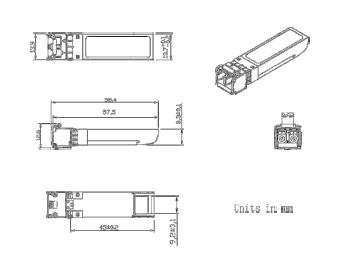
The Outline of an SFP
Conclusion
SFP compatibility is an agreed standard between manufacturers allowing reliable vendors such as fibresales.com.au to offer a cost-effective solution to your SFP requirements.
All our SFPs are Cisco Compatible and will fit in Cisco Switches and any of the media converters available on our online store.
For more information email us on sales@fibresales.com.au
or call us on (03) 9761 7925