Pre-Terminated Cable: To Do or Not To Do?
That is the question! When installing fibre optic cable, you have an important decision to make: Should you use a field-terminated fibre cable, or opt for a pre-terminated cable?
Both options work, and choosing between them can be challenging. Let’s dive into the key factors that will help you decide.

Pre-terminated-cable
Pre-terminated-cable – Key Factors to Consider
- Cost Differences
Field-terminated fibre may seem like the more economical choice, but it requires investment in specialized equipment and training. Pre-terminated cables, on the other hand, have a higher upfront cost but save on labour, tools, and testing. - Skills and Equipment for Installation
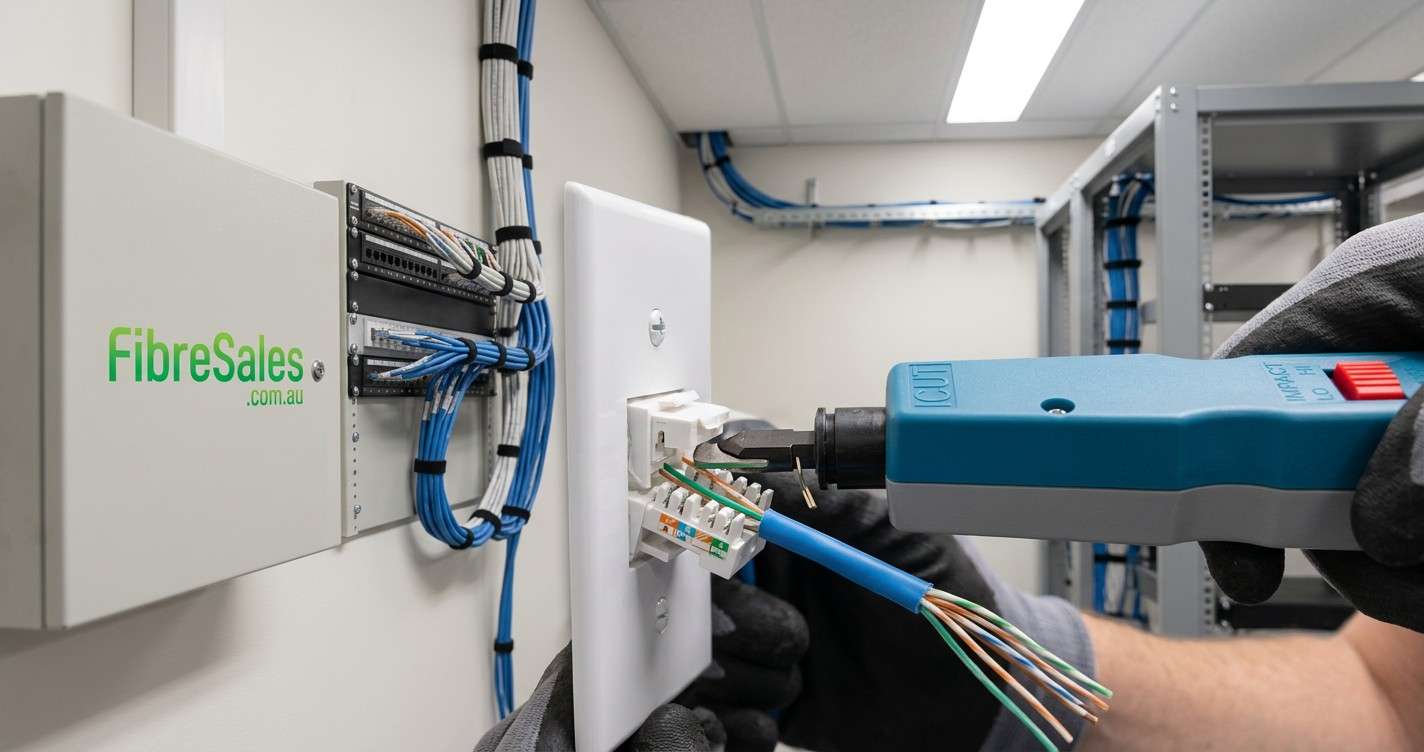
Installing field-terminated fibre requires skilled technicians with experience in fusion splicing, along with expensive tools like fusion splicers, splice trays, and cleaving tools. In contrast, pre-terminated cables arrive ready to install—just plug them in and go! - Skills and Equipment for Testing
No matter which method you choose, testing is essential. Field terminations require an OTDR (Optical Time Domain Reflectometer) or a light source and power meter to verify performance. Pre-terminated cables are factory-tested, eliminating the need for additional testing on-site.
Field-Terminated vs. Pre-Terminated Fibre
Field-Terminated Fibre: A Skilled Approach
Many installers prefer field-terminated fibre because it offers flexibility in cable length and routing. However, it requires:

- A fusion splicer to fuse pigtails onto cable ends.
- A skilled technician trained in fibre splicing.
- Additional time for termination and testing.
- Investment in equipment, which can be costly.
This method is ideal for teams that are already equipped and trained in fibre termination.
Pre-Terminated Cable: A Plug-and-Play Solution
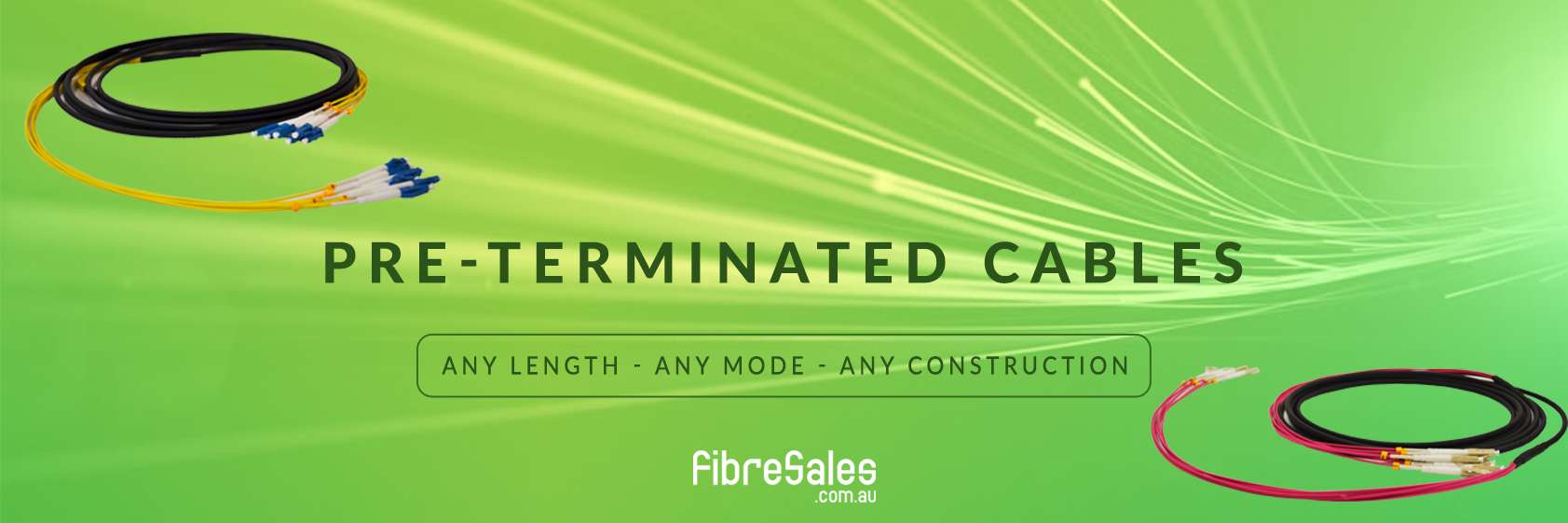
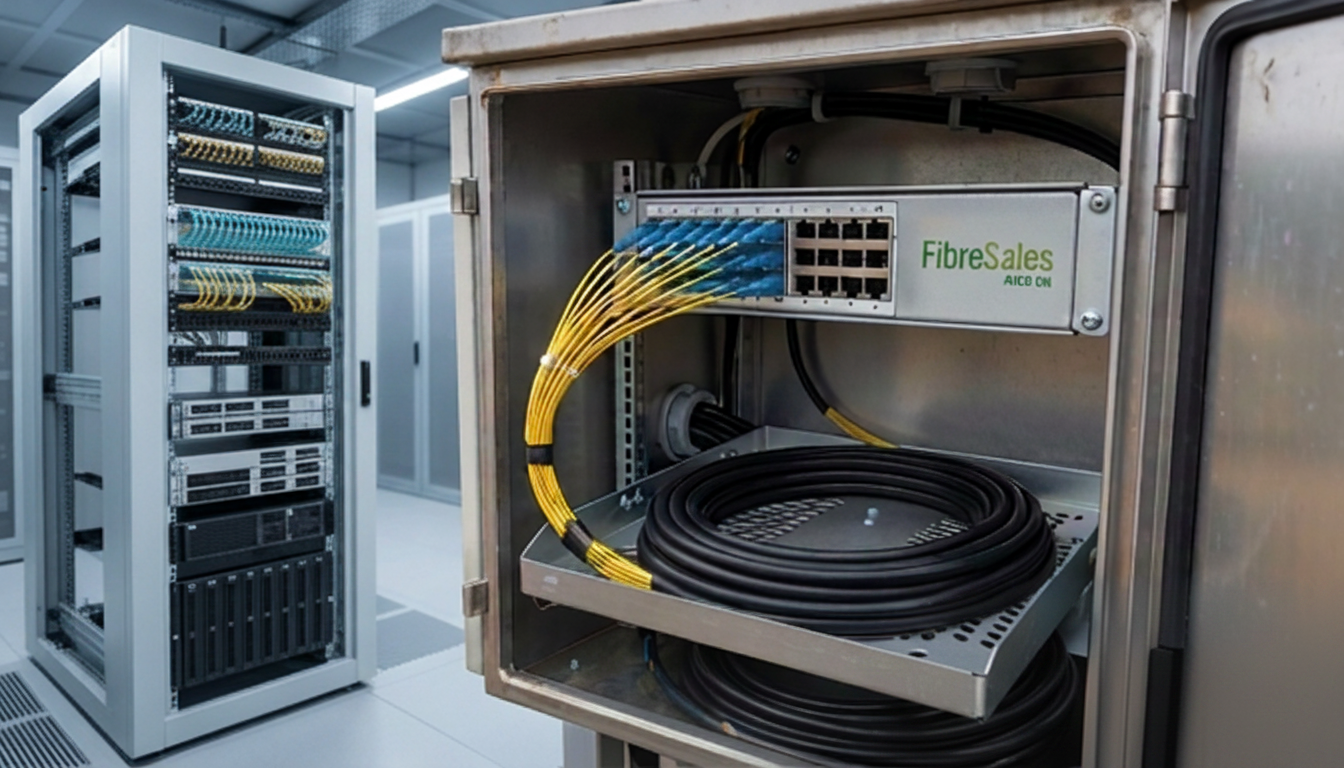
Pre-terminated cables simplify installation by eliminating splicing and termination in the field. They are manufactured in a controlled environment, ensuring:
- Consistent, high-quality results.
- Better end-to-end attenuation.
- Time and labour savings—no splicing or testing required.
- Minimal waste—no need for extra consumables.
- Reduced equipment costs, since no fusion splicer is necessary.
This option is perfect for projects with tight deadlines or installers who lack specialized equipment.
Pros and Cons of Pre-Terminated Cable
Advantages:
- Eliminates the need for splicing, reducing installation time.
- Factory-tested for high-quality performance.
- No requirement for additional testing.
- Reduces on-site labour and tool costs.
Disadvantages:
- Higher initial cost. Factory-terminated cables are more expensive upfront.
- Requires precise measurements. Ordering the wrong length can lead to costly replacements or storage issues.
- Potential connector damage. If the connectors are damaged during installation, they will need to be replaced.
Required Equipment for Field Installation & Testing
For Field Termination:
- Fusion splicer
- Fibre optic pigtails
- Splice trays and protectors
- Fibre cleaver and toolkit
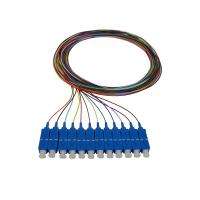
For Testing:
- OTDR (Optical Time Domain Reflectometer)
- Light source and power meter
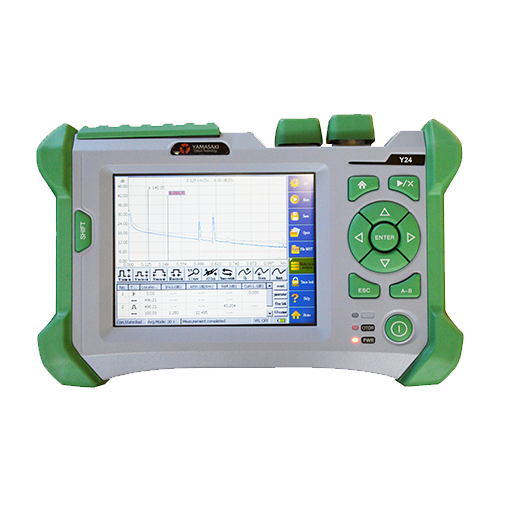
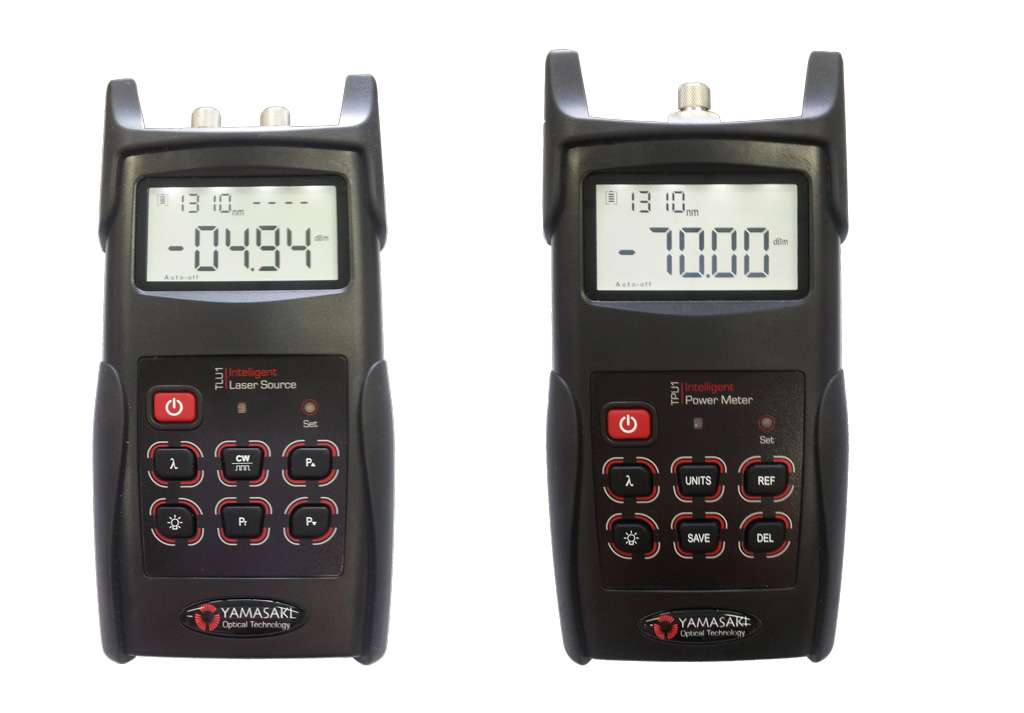
Testing ensures that fibre continuity, polarity, and insertion loss meet required standards. For those who don’t own this equipment, renting may be a cost-effective alternative.
Conclusion: Which One Should You Choose?
Making the right decision depends on your setup. If your team is trained and equipped for field terminations, it makes sense to stick with what you know. However, if you want a quick, hassle-free installation with factory-tested reliability, pre-terminated cables are the smarter choice.
For more information, call us at (03) 9761 7925 or visit our store by clicking the link below.