Cat6 for IP Cameras: Choosing the Right Ethernet Cable for CCTV Systems
Cat6 for IP Cameras in modern IP camera systems rely on fast, stable and reliable network connections to deliver high-quality video, support remote monitoring and provide dependable security around the clock. Whether you’re installing a single camera at home or deploying hundreds of surveillance cameras across a commercial facility, selecting the right Ethernet patch cable plays an important role in the overall performance of your CCTV network.
Cat6 Patch Cables provide the bandwidth, reliability and Power over Ethernet (PoE) compatibility required for today’s IP surveillance systems. They support high-resolution video streams, simplify installation by carrying both power and data through a single cable where compatible PoE equipment is used, and offer the dependable performance expected in professional security installations.
This guide explains why Cat6 has become the preferred choice for IP camera networks, what to consider before purchasing patch cables, and how to select the right solution for residential, commercial and industrial CCTV applications.
Why Cat6 is the Preferred Choice for IP Cameras
Unlike traditional analogue CCTV systems, IP cameras communicate over an Ethernet network. Each camera transmits digital video to a network video recorder (NVR), server or management platform, making network performance an essential part of the overall surveillance system.
Compared with older cabling categories, Cat6 offers improved bandwidth and enhanced resistance to interference, making it well suited to modern surveillance networks where multiple high-definition or ultra-high-definition cameras operate simultaneously.
Professional installers commonly choose Cat6 Patch Cables because they provide:
- Reliable Gigabit Ethernet connectivity.
- Support for compatible PoE-enabled security cameras.
- Stable performance for high-resolution video streams.
- Professional construction suitable for continuous operation.
- Compatibility with modern networking equipment used in CCTV systems.
If you’re new to Ethernet cabling, our What is Cat6 Patch Cable? guide explains how Cat6 patch cables are constructed and why they are widely used across professional networks.
Common Applications for Cat6 in CCTV Systems
Cat6 Patch Cables are suitable for a wide range of surveillance environments, including:
- Office buildings
- Retail stores
- Warehouses
- Manufacturing facilities
- Schools and universities
- Hospitals and healthcare facilities
- Hotels and accommodation
- Government buildings
- Residential security systems
- Industrial sites
From a single front-door camera to large multi-building surveillance deployments, professionally manufactured patch leads help provide the reliable network connectivity modern IP cameras require.
Power over Ethernet (PoE) and IP Cameras
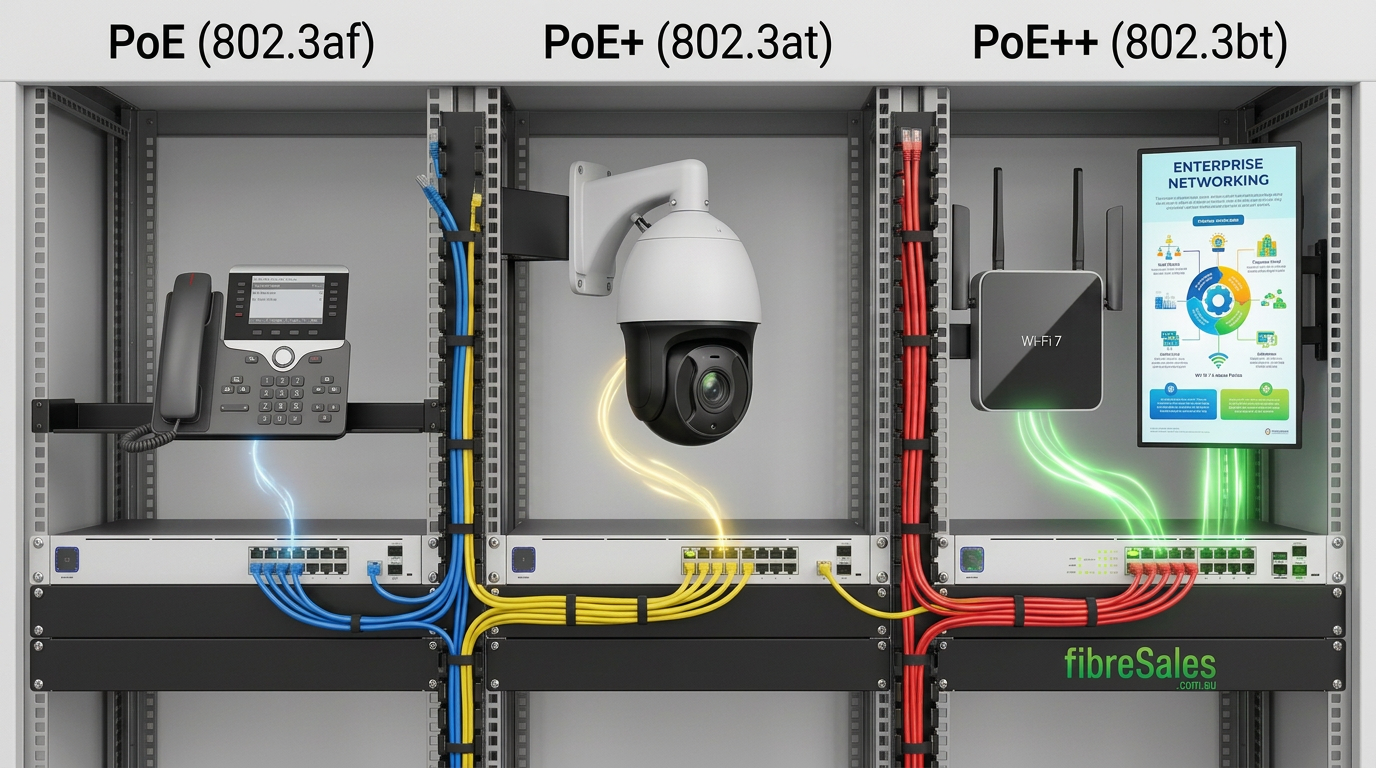
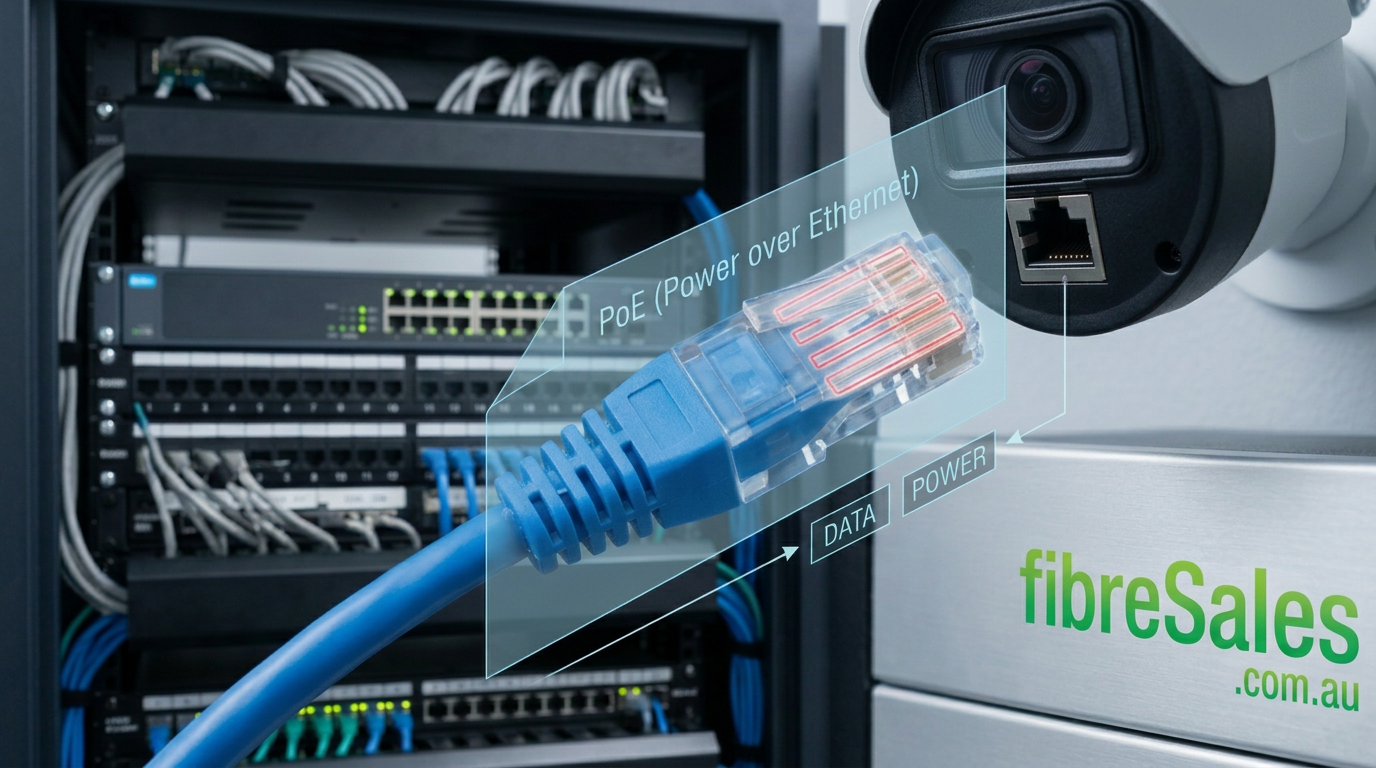
One of the biggest advantages of modern IP camera systems is the ability to transmit both power and data through a single Ethernet connection. This technology, known as Power over Ethernet (PoE), simplifies installations, reduces cabling costs and improves flexibility when deploying surveillance systems.
When paired with compatible PoE switches or network video recorders (NVRs), Cat6 Patch Cables provide a reliable connection between network equipment and IP cameras while supporting both network communication and electrical power.
For a detailed explanation of PoE technology, power standards and equipment selection, see our upcoming Best Cat6 Cable for PoE guide.
Why PoE is Popular for CCTV Installations
Traditional analogue CCTV systems often require separate cables for power and video. Modern IP surveillance systems can reduce installation complexity by using a single Ethernet cable where compatible PoE equipment is installed.
The benefits include:
- Reduced cable installation requirements.
- Faster deployment of IP cameras.
- Cleaner communications cabinets.
- Simplified maintenance and troubleshooting.
- Easier expansion as surveillance systems grow.
These advantages have made PoE the preferred choice for offices, warehouses, schools, retail stores, healthcare facilities and many other commercial environments.
Choosing the Right Cat6 Patch Cable for IP Cameras
Not every surveillance installation has the same requirements. The right patch cable depends on where the camera is installed, how the network is designed and the environment in which the equipment will operate.
When selecting Cat6 Patch Cables, consider:
- The required patch cable length.
- Whether the equipment uses compatible PoE technology.
- The installation environment.
- Communications cabinet cable density.
- Future network expansion.
If you need guidance on selecting the correct cable length, refer to our upcoming What Length Patch Cable Should I Buy? guide.
Cat6 for IP Cameras: CCTV Installation Scenarios
Small Business CCTV Systems
Retail stores, cafés and professional offices typically connect a small number of IP cameras to a PoE switch or NVR.
For these installations, professionally manufactured Cat6 Patch Cables provide reliable Gigabit Ethernet connectivity while keeping network cabinets organised and easy to maintain.
Large Commercial Buildings
Office complexes, shopping centres and education campuses often deploy dozens or even hundreds of surveillance cameras across multiple communications rooms.
In these environments, structured cable management becomes increasingly important. Choosing high-quality patch leads helps improve reliability, while organised patching makes ongoing maintenance significantly easier.
Warehouses and Industrial Facilities
Warehouses, logistics centres and manufacturing sites frequently use IP cameras for perimeter monitoring, inventory protection and workplace safety.
These environments often operate continuously, making dependable network infrastructure essential. Factory-tested Cat6 Patch Cables help support reliable camera connectivity in demanding commercial installations.
High-Density Communications Cabinets
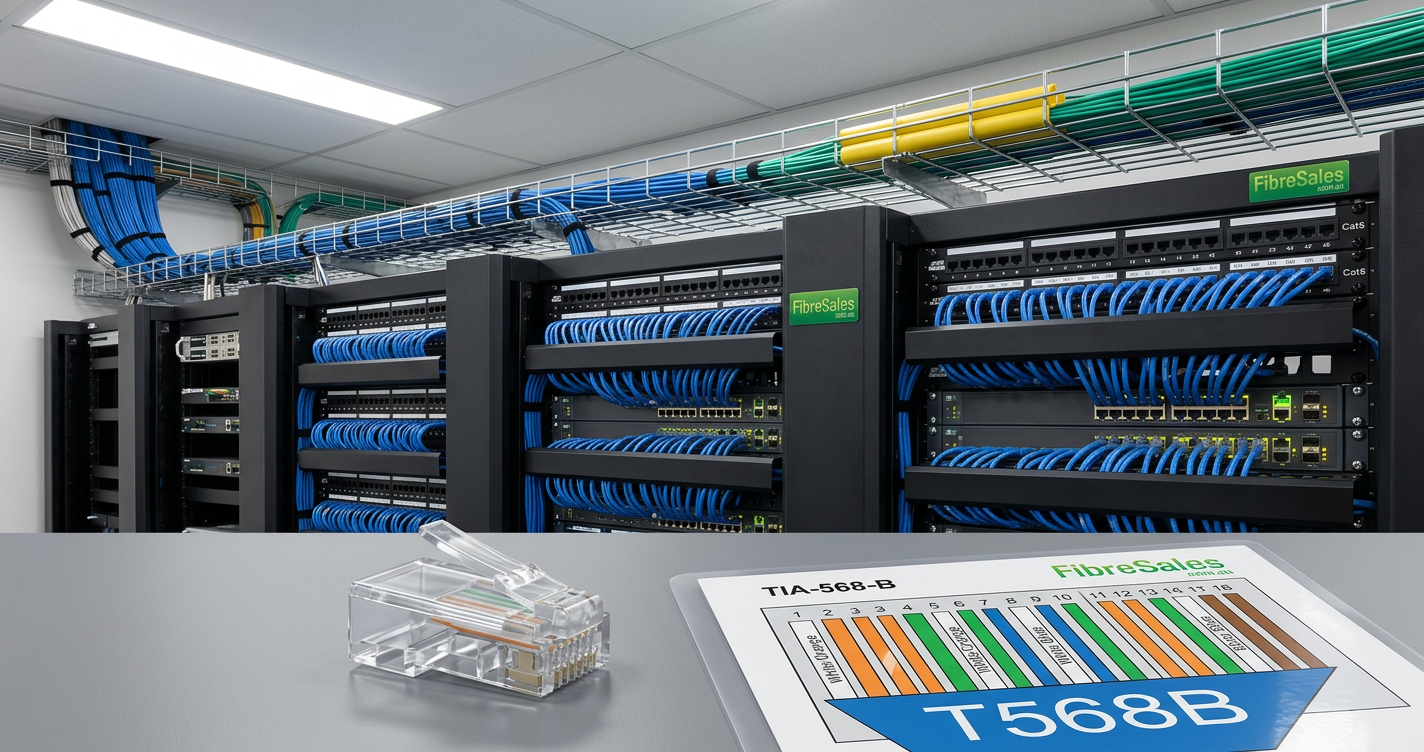
Where large numbers of cameras terminate within a single communications cabinet, cable management becomes just as important as network performance.
In these situations, Cat6AU Ultra Thin Patch Cables may be a suitable option because their smaller cable diameter can reduce congestion and improve airflow around PoE switches and other active networking equipment.
For a detailed comparison, see CAT6 vs CAT6A vs CAT6AU | Which Ethernet Patch Cable?
Common Mistakes When Installing IP Camera Networks
Reliable CCTV systems begin with good installation practices. Avoiding common mistakes can improve both network performance and long-term reliability.
Common issues include:
- Choosing patch cables that are longer than necessary.
- Overfilling communications cabinets.
- Poor cable management that makes maintenance difficult.
- Using low-quality patch leads in commercial installations.
- Failing to plan for future camera expansion.
- Purchasing patch leads based solely on price rather than manufacturing quality.
Selecting professionally manufactured networking products helps reduce installation issues and provides greater confidence in long-term surveillance system performance.
Performance Considerations for IP Camera Networks
Modern surveillance systems generate significantly more network traffic than older analogue CCTV installations. High-definition video, remote viewing, video analytics and continuous recording all place demands on the network infrastructure supporting your cameras.
Choosing professionally manufactured Cat6 Patch Cables helps provide the stable Ethernet connectivity required for reliable video transmission between IP cameras, PoE switches and network video recorders (NVRs).
High-Resolution Cameras Require Reliable Connectivity
Many organisations are moving beyond standard-definition surveillance to Full HD, 4MP, 8MP and 4K IP cameras. These higher resolutions produce larger video streams, making consistent network performance increasingly important.
Professional Cat6 Patch Cables support the reliable transfer of this network traffic across structured cabling systems, helping minimise communication issues between cameras and recording equipment.
If your surveillance system is expected to expand over time, installing Cat6 infrastructure from the beginning can also simplify future upgrades without replacing patch leads.
Supporting Large Multi-Camera Installations
Commercial CCTV deployments often include:
- Reception cameras
- Entry and exit monitoring
- Warehouse surveillance
- Car park security
- Production floor monitoring
- Perimeter security
- Server room monitoring
Although each camera may only generate moderate network traffic, dozens of cameras operating simultaneously can create significant aggregate demand across the network.
Using quality Cat6 Patch Cables helps maintain dependable connectivity between network switches and connected surveillance equipment.
Reliability Matters in Security Systems
Unlike general office devices that may be used only during business hours, security cameras often operate continuously.
For this reason, surveillance infrastructure should prioritise reliability rather than simply choosing the lowest-cost components.
Professionally manufactured, factory-tested patch leads can help reduce the likelihood of connection issues that may interrupt camera communication or complicate fault finding during critical incidents.
Planning for Future Expansion
Many surveillance systems begin with only a few cameras before expanding as security requirements change.
When planning a new installation, consider:
- Future building extensions.
- Additional camera locations.
- New PoE switches.
- Increased recording capacity.
- Higher-resolution cameras.
- Expanded communications cabinets.
Designing with future growth in mind helps reduce disruption and unnecessary replacement costs later.
Choosing Patch Leads for Communications Cabinets
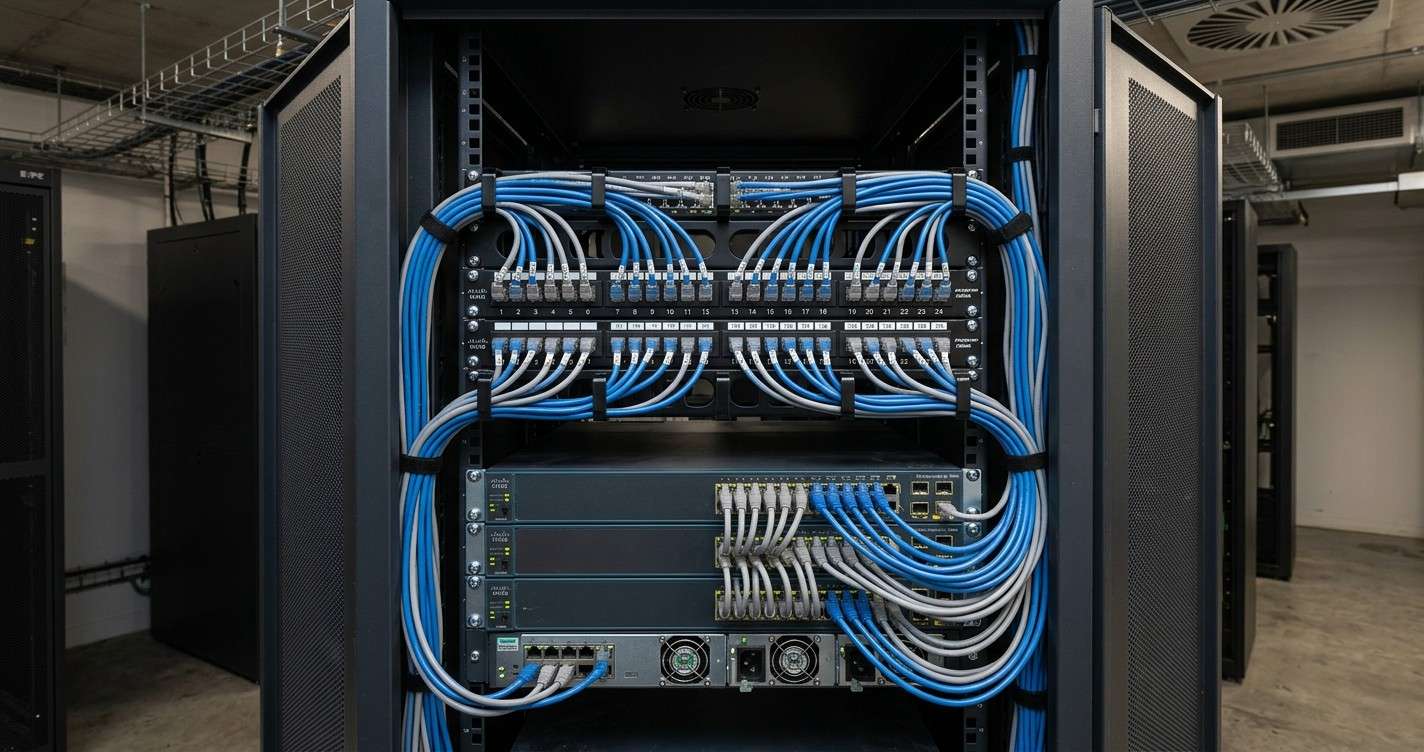
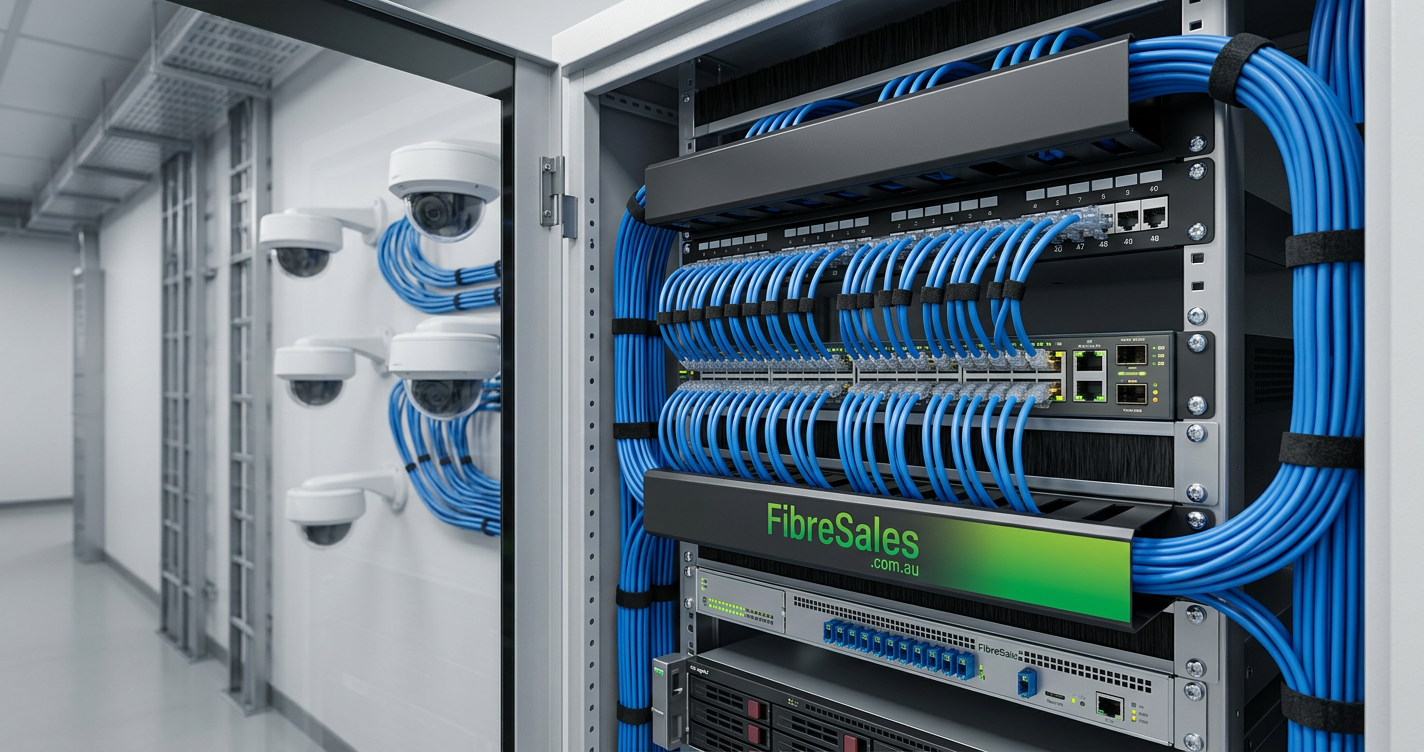
Most commercial IP camera systems terminate within a communications cabinet where switches, patch panels and recording equipment are installed.
Good cable management makes these cabinets easier to maintain by:
- Improving airflow around active equipment.
- Simplifying fault diagnosis.
- Making camera connections easier to identify.
- Supporting future network expansion.
Where cabinet density becomes particularly high, may offer advantages by reducing cable bulk while maintaining professional Ethernet performance.
Why Quality Patch Leads Matter for CCTV Systems
Every connection between an IP camera and the network contributes to the overall reliability of the surveillance system.
Choosing professionally manufactured Cat6 Patch Cables provides benefits such as:
- Factory-tested performance.
- Consistent manufacturing quality.
- Reliable RJ45 terminations.
- Durable construction for professional environments.
- Compatibility with modern networking equipment.
While patch leads represent a relatively small part of an overall CCTV project, selecting quality components can contribute to a more dependable surveillance network over its operational life.
Frequently Asked Questions About Cat6 for IP Cameras
Choosing the right Ethernet patch cable is an important part of building a reliable IP surveillance system. Below are answers to some of the most common questions asked by installers, IT professionals and business owners planning CCTV deployments.
Is Cat6 better than Cat5e for IP cameras?
For most new CCTV installations, Cat6 is the preferred choice.
Cat6 provides improved performance and greater capacity for modern networks, making it well suited to today’s high-resolution IP camera systems. It also provides greater flexibility if your surveillance network expands in the future.
If you’re comparing Ethernet cable categories, read our CAT6 vs CAT6A vs CAT6AU | Which Ethernet Patch Cable? guide for additional information.
Can Cat6 Patch Cables power IP cameras?
Yes.
When used with compatible Power over Ethernet (PoE) equipment, Cat6 Patch Cables can carry both network data and electrical power through a single Ethernet connection.
This simplifies installation and reduces the need for separate power cabling at each camera location.
Are Cat6 Patch Cables suitable for outdoor security cameras?
Cat6 Patch Cables are typically used to connect equipment within communications cabinets, equipment racks and internal network devices.
For outdoor camera installations, the permanent cabling should be selected to suit the environmental conditions and relevant installation standards. Short Cat6 Patch Cables are then commonly used to connect switches, patch panels and network equipment within protected indoor environments.
How many IP cameras can a Cat6 network support?
There is no fixed number.
The total number of cameras depends on factors such as:
- Network switch capacity.
- Available PoE power.
- Network design.
- Recording equipment.
- Overall bandwidth requirements.
A properly designed Cat6 network can support anything from a single camera to large enterprise surveillance systems.
Should I use Cat6AU Ultra Thin Patch Cables?
For most CCTV installations, standard Cat6 Patch Cables are an excellent choice.
However, where dozens or hundreds of patch leads terminate within high-density communications cabinets, Cat6AU Ultra Thin Patch Cables can help reduce cable congestion and improve airflow around network switches.
Do IP cameras require Gigabit Ethernet?
Many IP cameras operate well below Gigabit Ethernet speeds.
However, professional surveillance systems often connect multiple cameras to shared switches and recording equipment. Using Cat6 infrastructure provides a reliable platform that supports current requirements while allowing room for future network growth.
Are factory-tested patch leads important for CCTV?
Yes.
Security systems are expected to operate continuously, so dependable network connections are essential.
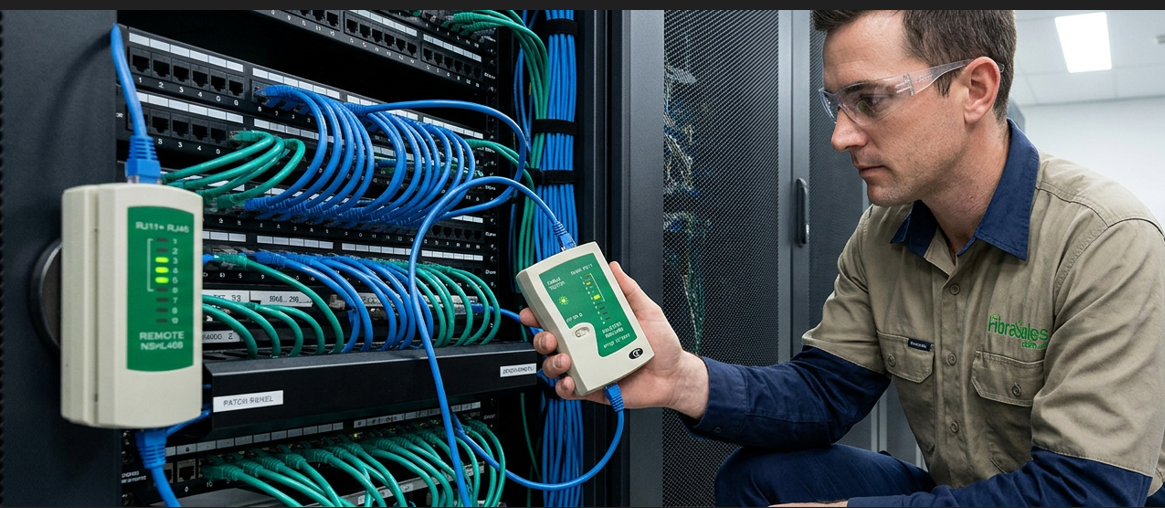
Professionally manufactured, factory-tested patch leads help provide consistent electrical performance and reduce the likelihood of connection issues caused by manufacturing defects.
Can I mix different patch cable lengths?
Yes.
Selecting the appropriate length for each connection is considered best practice.
Using excessively long patch leads can increase cable congestion inside communications cabinets, while correctly sized cables contribute to cleaner cable management and simplify maintenance.
Why choose fibresales for CCTV networking?
fibresales supplies professional networking products used by IT professionals, electrical contractors, network installers and organisations across Australia.
Our Cat6 Patch Cables are suitable for professional IP camera installations where reliability, consistent performance and quality manufacturing are important.
Whether you’re installing a small office surveillance system or a large multi-site CCTV network, fibresales offers dependable networking solutions backed by knowledgeable local support.
Conclusion
Modern IP camera systems rely on dependable network infrastructure to deliver continuous surveillance, support remote monitoring and protect valuable assets.
Choosing professionally manufactured Cat6 Patch Cables helps provide reliable Ethernet connectivity for compatible PoE devices, high-definition video transmission and professional CCTV installations across residential, commercial and industrial environments.
By selecting quality networking components, planning for future expansion and following recognised installation best practices, you can build a surveillance network that is easier to maintain, simpler to expand and designed for long-term reliability.
Shop fibresales Cat6 Patch Cables for CCTV Installations
Whether you’re installing a single IP camera or deploying a large surveillance network, fibresales supplies professional-quality Cat6 Patch Cables suitable for modern CCTV and security applications.
Our range is designed to support reliable Ethernet connectivity, compatible PoE installations and structured cabling systems used throughout commercial, industrial and enterprise environments.
For more copper networking products, technical resources and professional installation solutions, visit https://www.fibresales.com.au.
Continue Learning
- Copper Networking Explained | The Complete Guide to Ethernet Networks
- Copper Patch Leads Explained | The Complete Guide to Ethernet Patch Cables
- What is a Cat6 Patch Cable?
- CAT6 vs CAT6A vs CAT6AU | Which Ethernet Patch Cable Should You Choose?
- Slimline vs Standard Patch Leads | Which Ethernet Cable Should You Choose?
- Best Cat6 Cable for PoE
- What Length Patch Cable Should I Buy? | fibresales Buying Guide
References
- IEEE 802.3 Ethernet Standards – Defines the Ethernet physical-layer and data-link standards used by modern wired networks.
- ANSI/TIA-568 Structured Cabling Standard – Provides recognised structured cabling practices for commercial and residential Ethernet installations.
- ISO/IEC 11801 – Generic Cabling for Customer Premises – International standard covering the design and performance requirements of structured cabling systems.
- BICSI Telecommunications Distribution Methods Manual (TDMM) – Industry-recognised guidance for telecommunications infrastructure design and best practice.
- Australian Communications and Media Authority (ACMA) – Australian Cabling Standards – Australian regulatory information relating to cabling requirements and industry compliance.