RJ45 Couplers Explained | Do Ethernet Couplers Affect Speed?

rj45-couplers-explained

RJ45 Couplers Explained | Do Ethernet Couplers Affect Speed?

Do Ethernet Couplers Affect Speed?

RJ45 Couplers provide a simple and reliable way to join two Ethernet patch leads without cutting, re-terminating or replacing existing cabling. Whether you’re extending a network connection in an office, relocating equipment or making temporary changes during maintenance, a quality RJ45 coupler can save both time and installation costs.

One of the most common questions customers ask is whether using an RJ45 coupler reduces network speed. The short answer is no—a high-quality Cat6 RJ45 coupler, installed correctly and used within Ethernet standards, should not reduce network performance. However, poor-quality couplers, damaged patch leads or incorrect installation practices can introduce connection problems that affect reliability.

This guide explains how RJ45 couplers work, whether they support Gigabit Ethernet, 10 Gigabit Ethernet and Power over Ethernet, and how to choose the right coupler for your network.

For a broader understanding of Ethernet infrastructure, see Copper Networking Explained | The Complete Guide to Ethernet Networks.


What Is an RJ45 Coupler?

An RJ45 coupler, sometimes called an Ethernet coupler or inline Ethernet coupler, is a female-to-female connector that joins two terminated Ethernet patch leads together.

Unlike an RJ45 connector, which is fitted to the end of a cable, an RJ45 coupler accepts an RJ45 plug at each end, creating a continuous Ethernet connection without requiring additional cable termination.

RJ45 couplers are commonly used to:

  • Extend an existing Ethernet patch lead.
  • Connect equipment after relocating network devices.
  • Provide temporary network connections during maintenance.
  • Replace damaged patch leads without rewiring permanent cabling.
  • Simplify troubleshooting by joining known-good patch leads.

When used with quality Cat6 Patch CablesRJ45 Couplers provide a practical solution for extending network connections while maintaining standards-compliant performance.


Do RJ45 Couplers Affect Speed?

This is the question most buyers ask—and fortunately, the answer is reassuring.

quality Cat6 RJ45 coupler does not reduce Ethernet speed when it is correctly manufactured, installed and used within the maximum Ethernet channel length specified by industry standards.

For example, a Cat6-rated RJ45 coupler can support:

  • 10/100 Mbps Ethernet.
  • 1 Gigabit Ethernet (1000BASE-T).
  • 10 Gigabit Ethernet (10GBASE-T) where the overall channel meets Cat6 performance requirements.

If network performance drops after installing a coupler, the cause is usually one of the following:

  • A poor-quality or incorrectly rated coupler.
  • Damaged or low-quality patch leads.
  • Loose RJ45 connections.
  • Exceeding the maximum Ethernet channel length.
  • Existing faults elsewhere in the network.

In most commercial environments, a properly specified RJ45 coupler introduces negligible additional loss and has no noticeable impact on normal network operation.


How RJ45 Couplers Work

RJ45 couplers contain eight precision-aligned contacts that connect each conductor from one Ethernet patch lead directly to the corresponding conductor on the second patch lead.

The coupler does not regenerate, amplify or modify the Ethernet signal. Instead, it provides a continuous electrical path between the two connected cables.

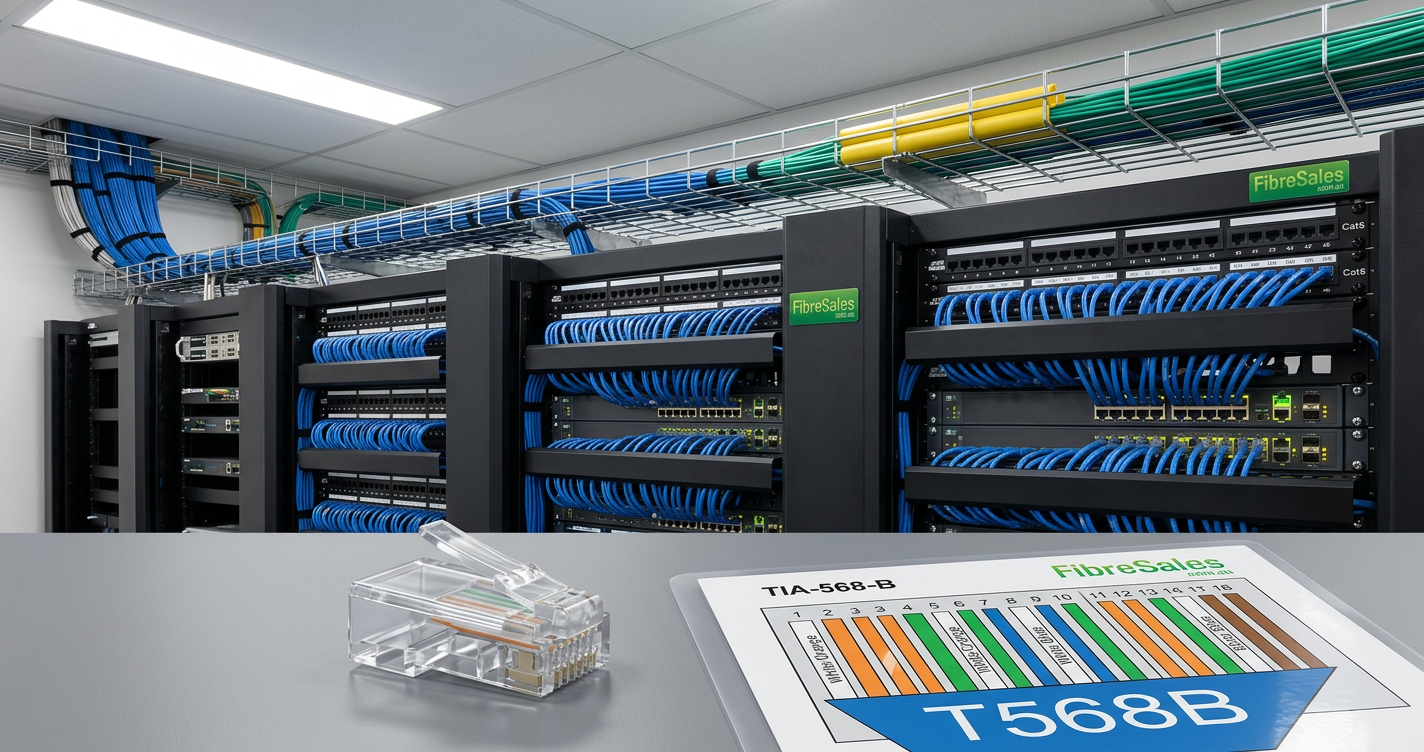
Because no active electronics are involved, a high-quality Cat6 coupler maintains the same pin-to-pin wiring sequence used throughout the Ethernet link.

To understand how Ethernet signals travel through an RJ45 connection, read our RJ45 Pinout guide.


Common Applications for RJ45 Couplers

RJ45 couplers are widely used across commercial, industrial and residential Ethernet networks.

Typical applications include:

  • Extending existing Ethernet patch leads.
  • Connecting network devices after office relocations.
  • Temporary installations for events or demonstrations.
  • IP camera installations where an existing patch lead needs extending.
  • Wireless access point relocations.
  • Network troubleshooting and fault isolation.
  • Equipment testing using known-good patch leads.

Although couplers provide an effective solution in many situations, they should not replace good network design. Where practical, installing a correctly sized patch lead remains the preferred long-term solution.


Engineering Decision

An RJ45 coupler should solve a genuine installation or maintenance requirement—not compensate for poor network planning.

If only a small extension is required, a Cat6-rated RJ45 coupler provides a fast, reliable and standards-compliant solution. However, if multiple couplers are being added or the overall Ethernet channel approaches the maximum recommended length, replacing the patch lead with the correct length is usually the better engineering decision.

Using high-quality Cat6 patch leads together with professionally manufactured RJ45 couplers helps maintain reliable network performance while reducing downtime and simplifying future maintenance.
Can RJ45 Couplers Support Gigabit and 10 Gigabit Ethernet?

Yes—provided you choose a Cat6-rated RJ45 coupler and use it within a correctly installed Ethernet channel.

A quality RJ45 coupler simply extends the existing Ethernet connection by maintaining the continuity of all eight conductors. It does not convert, regenerate or modify the network signal.

When installed correctly, a Cat6 RJ45 coupler supports:

  • 10BASE-T Ethernet
  • 100BASE-TX Fast Ethernet
  • 1000BASE-T Gigabit Ethernet
  • 10GBASE-T Ethernet where the overall channel meets Cat6 performance requirements

For optimum performance, every component in the channel should meet the required category rating, including the patch leads, RJ45 coupler and connected networking equipment.

If you’re unsure whether your existing cabling is suitable, our Ethernet Cable Testing Guide explains how to verify network performance after installation.


Can RJ45 Couplers Carry Power over Ethernet (PoE)?

Yes.

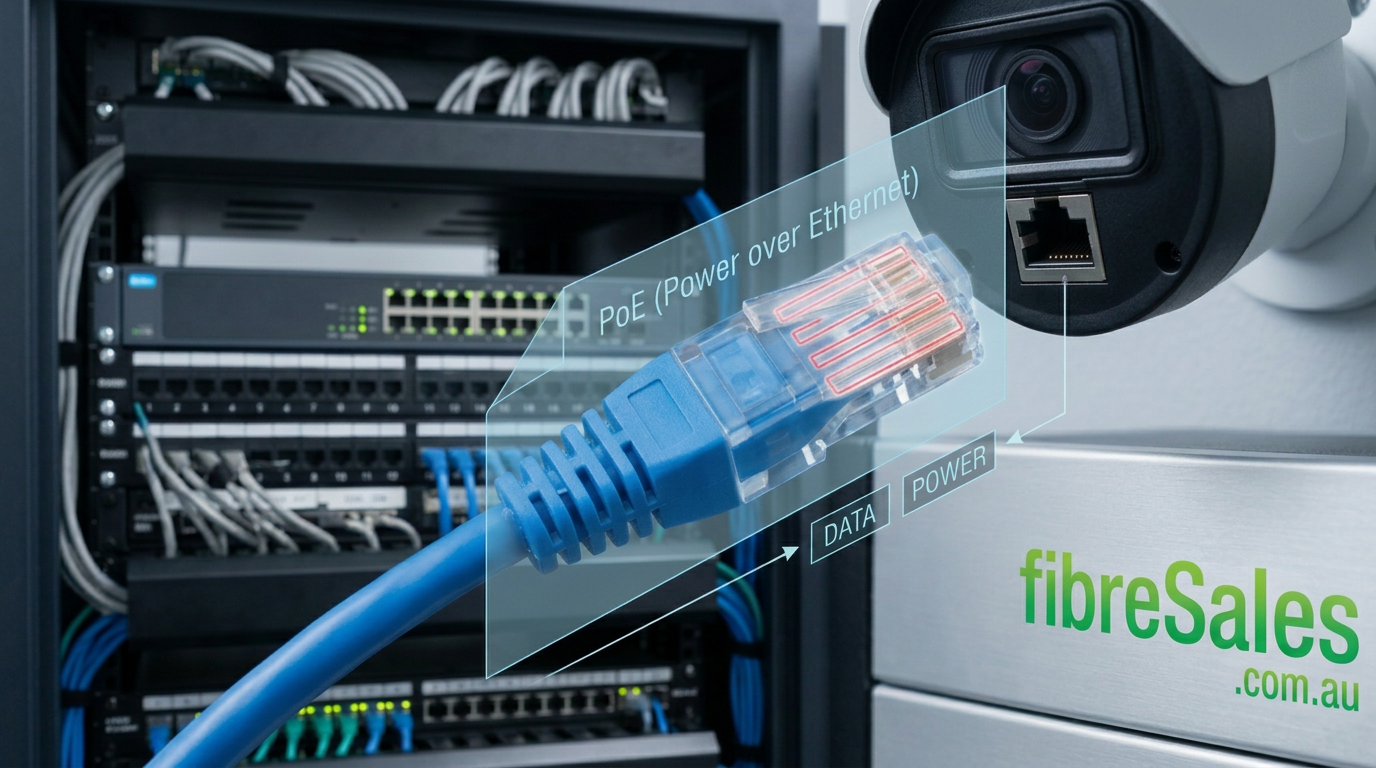
A quality Cat6 RJ45 coupler supports the transmission of both Ethernet data and Power over Ethernet (PoE) because it maintains all eight conductors required by modern Ethernet standards.

RJ45 couplers are commonly used with:

  • VoIP telephones
  • IP security cameras
  • Wireless access points
  • Access control systems
  • Building automation devices

Provided the coupler is correctly rated and the overall Ethernet channel remains within specification, it can support:

  • IEEE 802.3af (PoE)
  • IEEE 802.3at (PoE+)
  • IEEE 802.3bt (PoE++)

For a detailed explanation of how Power over Ethernet works, read our Understanding PoE and Ethernet Cables | Complete Guide.

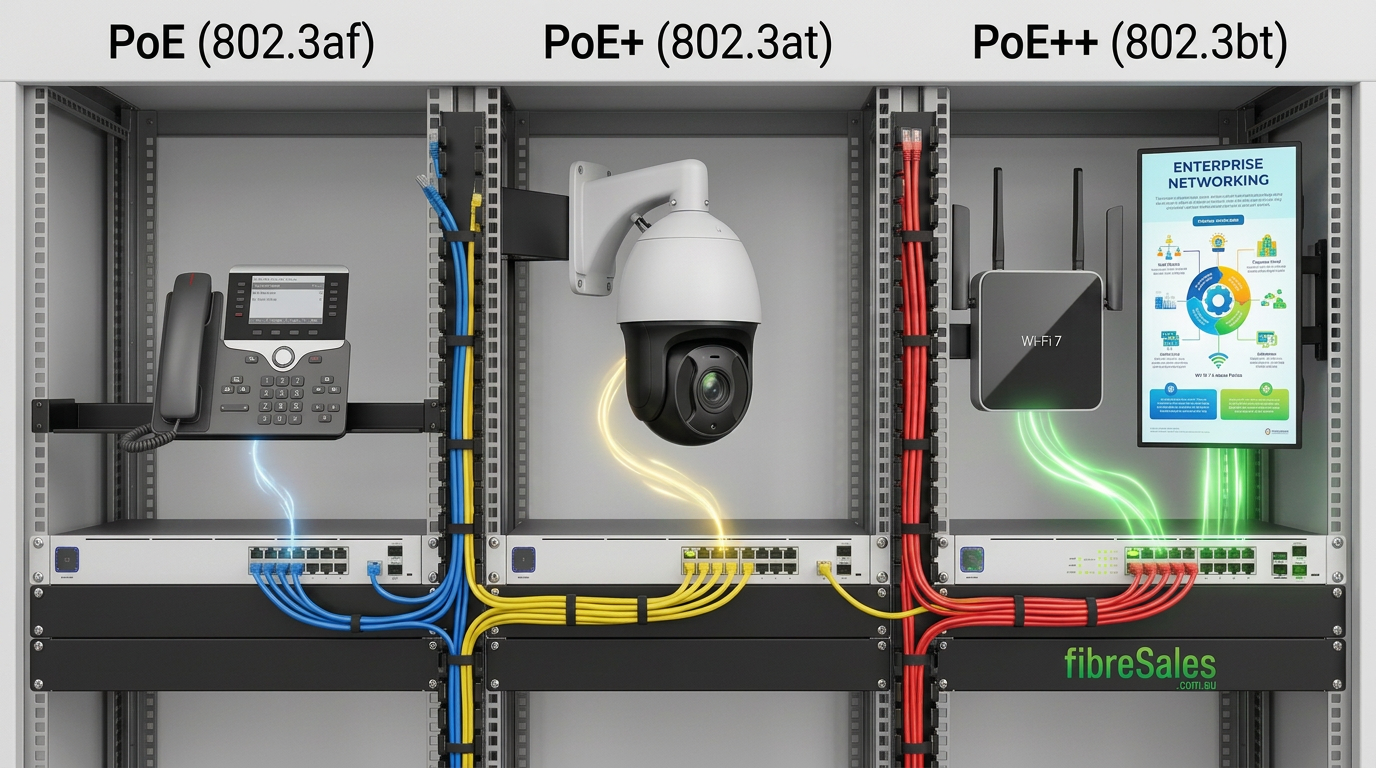
To learn more about the different IEEE Power over Ethernet standards, see PoE vs PoE+ vs PoE++.


When Should You Use an RJ45 Coupler?

An RJ45 coupler is an excellent solution when replacing an existing Ethernet cable is impractical or unnecessary.

Typical situations include:

  • Extending an existing Cat6 patch lead.
  • Relocating network equipment within an office.
  • Connecting temporary equipment during maintenance.
  • Replacing a damaged patch lead without rewiring the installation.
  • Testing network equipment using known-good patch leads.
  • Extending connections to IP cameras or wireless access points.

In many of these situations, using an RJ45 Coupler is faster and more cost-effective than installing a completely new cable.


When Should You Replace the Patch Lead Instead?

Although RJ45 couplers provide an effective solution, they are not always the best long-term option.

Replacing the patch lead is generally recommended when:

  • The existing patch lead is damaged.
  • A shorter or longer cable is readily available.
  • Multiple couplers would otherwise be required.
  • The installation is permanent and easy to recable.
  • The total Ethernet channel approaches the maximum recommended length.

Selecting the correct Cat6 Patch Cable often produces the simplest and most reliable installation.

If you’re unsure which cable length to purchase, our guide What Length Patch Cable Should I Buy? can help you choose the most suitable option.


Choosing the Right RJ45 Coupler

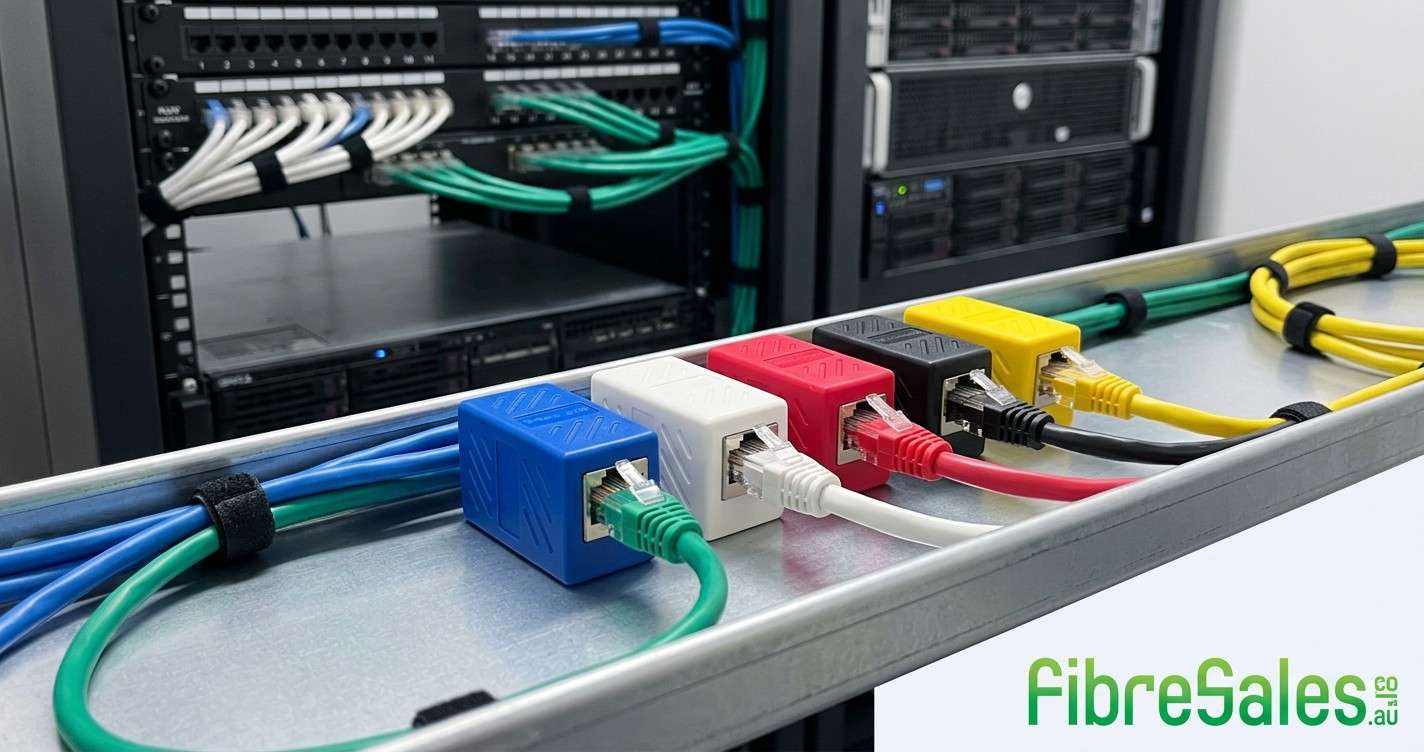
At fibreSales, RJ45 couplers are available in several colours, allowing installers to organise network connections more efficiently without affecting Ethernet performance.

Available colours include:

  • Blue – General data network connections.
  • White – Office workstations, voice services or clearly labelled installations.
  • Red – Critical infrastructure, security systems or priority network links.
  • Black – Permanent backbone connections, AV equipment or dedicated network services.
  • Yellow – Power over Ethernet devices, including IP cameras and wireless access points.

Using a consistent colour-coding system makes network identification easier, reduces troubleshooting time and helps technicians quickly locate important connections during maintenance.

It’s important to remember that colour does not affect network performance. Every colour option delivers the same Cat6 performance when used correctly.

To learn more about network colour coding, read Do Cat6 Patch Lead Colours Matter?.


Engineering Decision

RJ45 couplers should be viewed as a practical networking accessory rather than a compromise.

For temporary installations, equipment relocations or extending an existing Cat6 patch lead, a quality RJ45 Coupler provides a fast and reliable solution while maintaining Gigabit Ethernet, 10 Gigabit Ethernet and Power over Ethernet compatibility.

For permanent installations where replacing the entire patch lead is straightforward, selecting the correct-length Cat6 Patch Cable remains the preferred engineering approach because it minimises connection points and simplifies long-term maintenance.

Common Mistakes When Using RJ45 Couplers

RJ45 couplers are designed to provide a simple and reliable method of extending Ethernet connections. However, poor installation practices or incorrect product selection can lead to unnecessary network problems.

Avoid these common mistakes to maintain reliable Ethernet performance.

Using Low-Quality Couplers

Not all RJ45 couplers are manufactured to the same standard.

Low-quality couplers may introduce poor contact alignment, increased insertion loss or unreliable connections that can result in intermittent network faults.

Choosing a quality RJ45 Coupler designed for Cat6 applications helps maintain consistent network performance.


Mixing Different Cable Categories

A network channel only performs as well as its lowest-rated component.

For example, connecting Cat6 patch leads through an older Cat5e coupler may reduce the overall performance of the Ethernet channel.

For the best results, use Cat6-rated couplers together with quality Cat6 Patch Cables.


Ignoring the Total Channel Length

An RJ45 coupler does not increase the maximum supported Ethernet distance.

The total channel length—including every patch lead, coupler and permanent link—must still comply with recognised Ethernet standards.

Adding multiple extensions without considering the total channel length may result in reduced network performance or connection instability.


Failing to Test the Connection

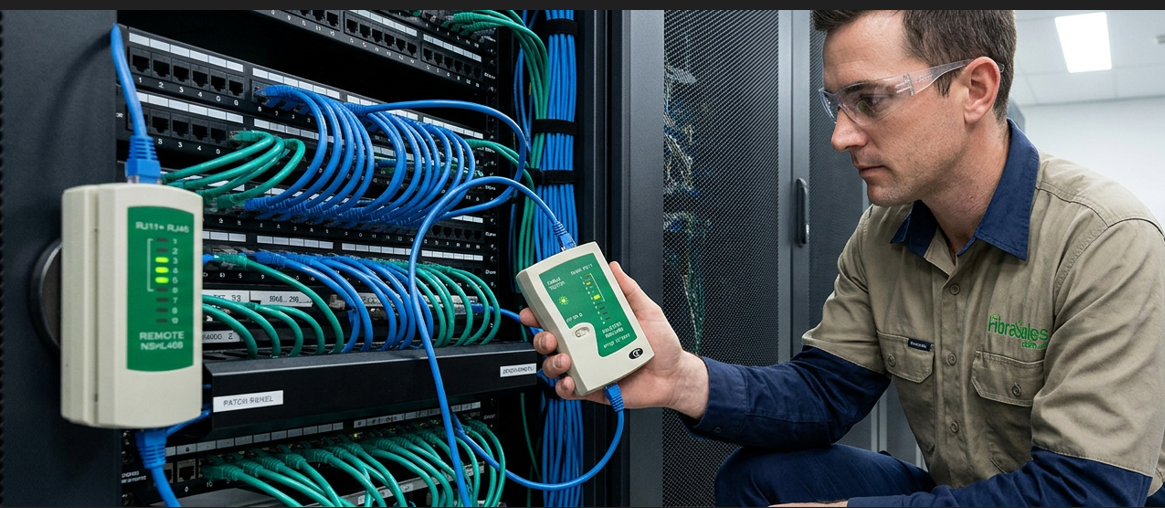
After installing an RJ45 coupler, always verify the connection before placing the network into service.

A simple cable test confirms:

  • Correct pin continuity.
  • Reliable connector contact.
  • Successful Gigabit Ethernet negotiation.
  • Proper PoE operation where applicable.

Our Ethernet Cable Testing Guide explains the testing process in more detail.


Real-World Installation Example

A facilities team relocates several desktop workstations during an office refurbishment.

Most existing Cat6 patch leads are only one metre too short to reach the new desk locations.

Instead of replacing every patch lead, the installer uses RJ45 Couplers together with additional Cat6 Patch Cables to extend each connection.

Different coupler colours are selected to simplify identification:

  • Blue for standard office data connections.
  • Yellow for Power over Ethernet devices.
  • Red for critical network equipment.

After installation, every connection is verified using a cable tester to confirm Gigabit Ethernet operation and reliable network performance.

The result is a clean, organised installation completed without replacing perfectly serviceable patch leads.


Best Practices for Using RJ45 Couplers

To achieve the best possible Ethernet performance:

  • Choose a Cat6-rated RJ45 coupler.
  • Match the coupler to Cat6 patch leads.
  • Keep the total Ethernet channel within recognised standards.
  • Avoid unnecessary connection points.
  • Test every completed installation.
  • Apply a consistent colour-coding system throughout the network.
  • Replace damaged patch leads rather than masking faults with additional couplers.

Following these practices helps ensure long-term network reliability while simplifying future maintenance.


RJ45 Coupler vs RJ45 Connector

Although they appear similar, RJ45 couplers and RJ45 connectors perform very different functions.

RJ45 CouplerRJ45 Connector
Female-to-female deviceMale plug fitted to the cable
Joins two terminated patch leadsTerminates an Ethernet cable
No cable termination requiredRequires cable termination
Used to extend existing Ethernet connectionsUsed when manufacturing or repairing Ethernet cables
Available in multiple colours for network identificationInstalled onto Ethernet cable ends

If you need to terminate a new Ethernet cable, see our guide RJ45 Connectors Explained.


Engineering Decision

An RJ45 coupler should be used to solve a specific networking requirement—not as a substitute for poor cabling practices.

For extending a high-quality Cat6 patch lead over a short additional distance, a professionally manufactured RJ45 Coupler provides an efficient, standards-compliant solution.

However, if repeated extensions, damaged cables or excessive channel lengths become an issue, replacing the patch lead with the correct length Cat6 Patch Cable will generally deliver the most reliable long-term result.

By selecting quality networking components and following recognised installation practices, organisations can maintain dependable Ethernet performance while simplifying maintenance and future network expansion.

Frequently Asked Questions

Do RJ45 couplers affect speed?

No. A quality Cat6 RJ45 coupler should not reduce Ethernet speed when used correctly.

RJ45 couplers simply provide a continuous connection between two terminated Ethernet patch leads. When the coupler, patch leads and networking equipment all meet Cat6 specifications—and the total Ethernet channel remains within recognised standards—you can expect full network performance.

Network problems are far more likely to result from damaged cables, poor-quality couplers or installation faults than from the coupler itself.


Can an RJ45 coupler support Cat6?

Yes.

A Cat6-rated RJ45 Coupler is designed to work with Cat6 Ethernet patch leads while maintaining Cat6 network performance.

For the best results, pair your coupler with professionally manufactured Cat6 Patch Cables.


Can RJ45 couplers support 10 Gigabit Ethernet?

Yes.

A quality Cat6 RJ45 coupler can support 10GBASE-T where the complete Ethernet channel complies with Cat6 performance requirements.

Performance depends on the entire installation rather than the coupler alone. Using quality components throughout the network helps maintain reliable high-speed Ethernet connectivity.


Can RJ45 couplers carry PoE?

Yes.

RJ45 couplers maintain all eight Ethernet conductors, allowing both data and electrical power to pass through.

They are suitable for Power over Ethernet applications including:

  • VoIP telephones
  • IP security cameras
  • Wireless access points
  • Access control systems

For more information, read:


Do RJ45 couplers increase latency?

Under normal operating conditions, no.

A quality RJ45 coupler introduces negligible additional signal loss and does not create measurable network latency in standard Ethernet applications.


Can I use more than one RJ45 coupler?

Although it is technically possible, it is generally not recommended.

Each additional connection introduces another potential point of failure. Where practical, replacing the patch lead with the correct length provides the most reliable long-term solution.


Are RJ45 couplers suitable for permanent installations?

Yes, provided they are installed correctly and used within recognised Ethernet standards.

RJ45 couplers are commonly used in commercial environments where replacing an existing patch lead would be impractical or unnecessarily expensive.


How do I know if an RJ45 coupler is faulty?

Typical signs include:

  • Intermittent network connections.
  • Reduced Ethernet speeds.
  • Devices failing to negotiate Gigabit Ethernet.
  • Packet loss.
  • Power over Ethernet devices failing to start.
  • Failed cable tests.

If any of these symptoms occur, inspect the patch leads, replace the coupler if necessary and verify the installation using a Cable Tester.


Why fibreSales?

Choosing the right RJ45 coupler is about more than simply joining two Ethernet patch leads. Product quality, compatibility and proper installation all contribute to reliable network performance.

fibreSales supplies high-quality RJ45 Couplers together with Cat6 Patch CablesRJ45 ConnectorsRJ45 Crimping ToolsCable TestersKeystone JacksWire Strippers and Punch-down Tools to support professional Ethernet installations across Australia.

Whether you’re extending an existing network connection, installing new equipment or troubleshooting an Ethernet fault, fibreSales provides the networking products and technical guidance needed to complete the job with confidence.


Conclusion

A quality RJ45 coupler provides a simple, reliable and standards-compliant way to extend Ethernet patch leads without sacrificing network performance.

When matched with Cat6-rated patch leads and installed correctly, RJ45 couplers support Gigabit Ethernet, 10 Gigabit Ethernet and Power over Ethernet while maintaining dependable connectivity for commercial and residential networks.

By selecting the correct coupler, following recognised installation practices and testing completed connections, network installers can achieve reliable performance while reducing installation time and maintenance costs.

For high-quality RJ45 Couplers, Cat6 networking products, technical resources and professional Ethernet solutions, visit www.fibresales.com.au.


Continue Learning

Expand your Ethernet networking knowledge with these related fibreSales resources:


References

Related Posts

Business Cat6 cable installed in a professional office network cabinet

Best Cat6 Patch Cable for Business | Buying Guide

Business Cat6 cable selection affects far more than whether an Ethernet connection works. In a...

rj45-punch-down-tools-explained

RJ45 Punch-down Tools Explained | Complete Installation Guide

RJ45 Punch-down Tools Explained | Complete Installation Guide RJ45 punch-down tools are essential for terminating...

PoE vs PoE+ vs PoE++

PoE vs PoE+ vs PoE++ | Which Power over Ethernet Standard Do You Need?

PoE vs PoE+ vs PoE++ | Which Power over Ethernet Standard Do You Need? What’s...

PoE RJ45 Pinout showing how Power over Ethernet carries data and electrical power through a Cat6 Ethernet cable.

PoE RJ45 Pinout Explained | Power over Ethernet Wiring Guide

RJ45 Pinout Explained What Is a PoE RJ45 Pinout? A PoE RJ45 pinout describes how...

Ethernet Networks Use T568B in Australian commercial structured cabling installations for compatibility and consistency.

Why Most Ethernet Networks Use T568B | Commercial Wiring Standard

Why Most Ethernet Networks Use T568B Why Most Ethernet Networks Use T568B Although both T568A...

Ethernet Cable Testing using a professional cable tester to verify a Cat6 Ethernet cable.

Ethernet Cable Testing Guide | How to Test Network Cables Correctly

Ethernet Cable Testing Guide Testing Ethernet Cables the Right Way Testing an Ethernet cable is...