INTRODUCTION
Fibre cable routing is a critical part of structured network installation. Poor routing practices can introduce signal loss, physical stress, and long-term reliability issues even when high-quality fibre components are used.
In real-world deployments, routing decisions directly affect installation performance, maintenance accessibility, and network lifespan.
This guide explains how experienced technicians route fibre correctly in enterprise, data centre, and industrial environments.
1. BEND RADIUS MANAGEMENT
Maintaining correct bend radius is one of the most important routing principles in fibre installation.
Rmin≥10–20×DR_{min} \geq 10\text{–}20 \times D
Where D is cable diameter.
Why it matters:
- prevents micro-bending loss
- avoids long-term attenuation increases
- reduces mechanical stress on fibre core
Incorrect routing is one of the most common causes of performance degradation in installed fibre networks.
2. SEPARATION FROM POWER AND DATA CABLES
Fibre should be routed separately from electrical cabling wherever possible.
Best practice:
- maintain physical separation from power lines
- avoid parallel long-distance runs with electrical cables
- minimise exposure to electromagnetic interference zones
While fibre is immune to EMI, physical installation environments often introduce mechanical or thermal stress when cables are bundled incorrectly.
3. CABLE TRAY DESIGN AND USAGE
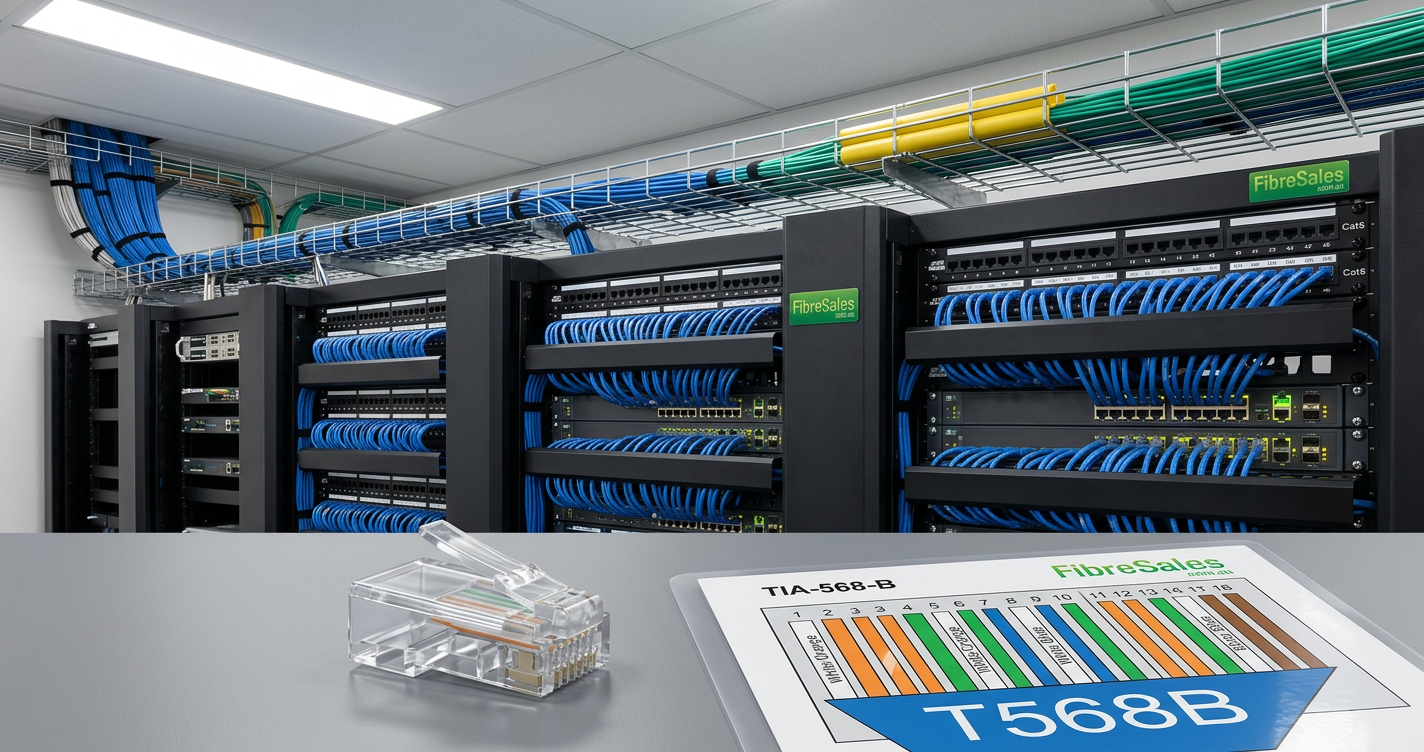
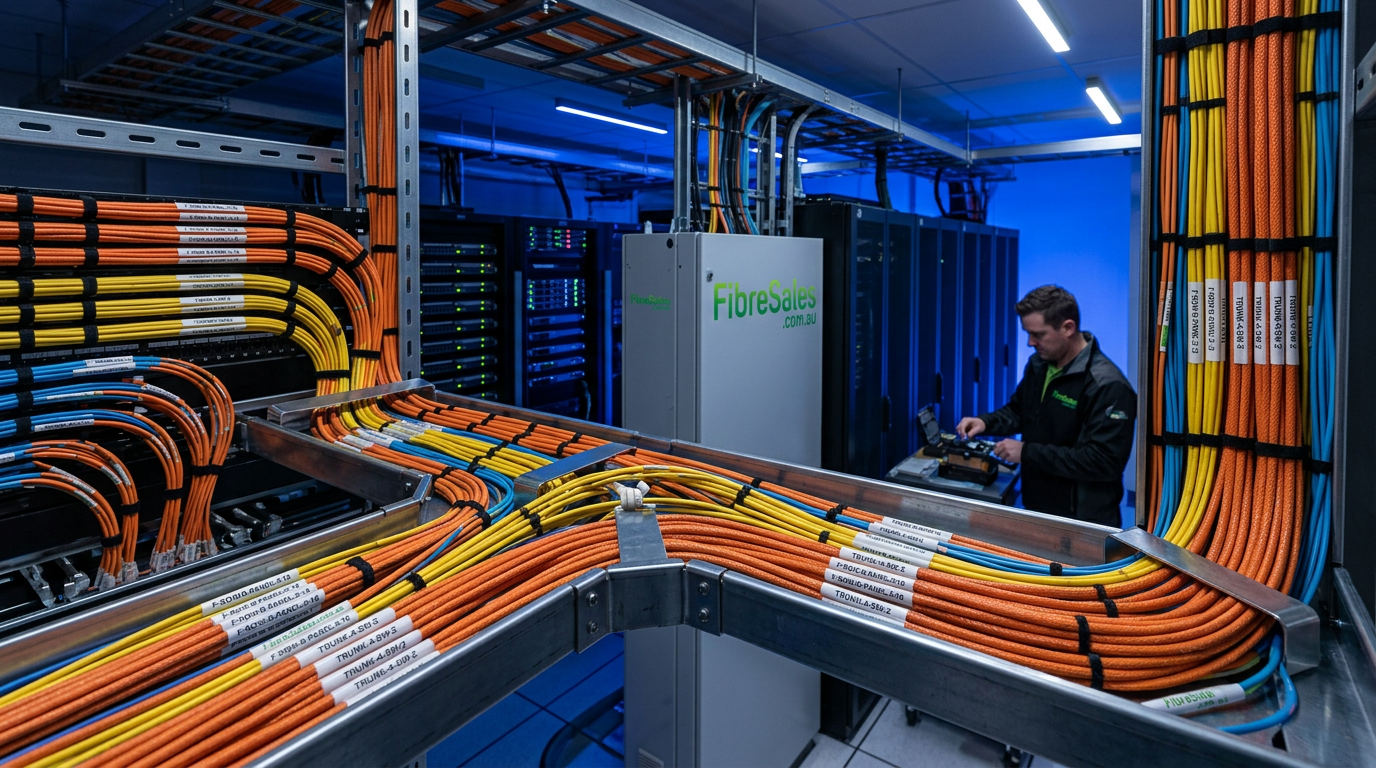
Proper cable tray design ensures long-term stability and serviceability.
Recommended practices:
- use dedicated fibre trays where possible
- avoid overcrowding within trays
- maintain smooth directional transitions
- avoid sharp bends at entry and exit points
Poor tray design leads to fibre compression and long-term deformation.
4. SLACK MANAGEMENT
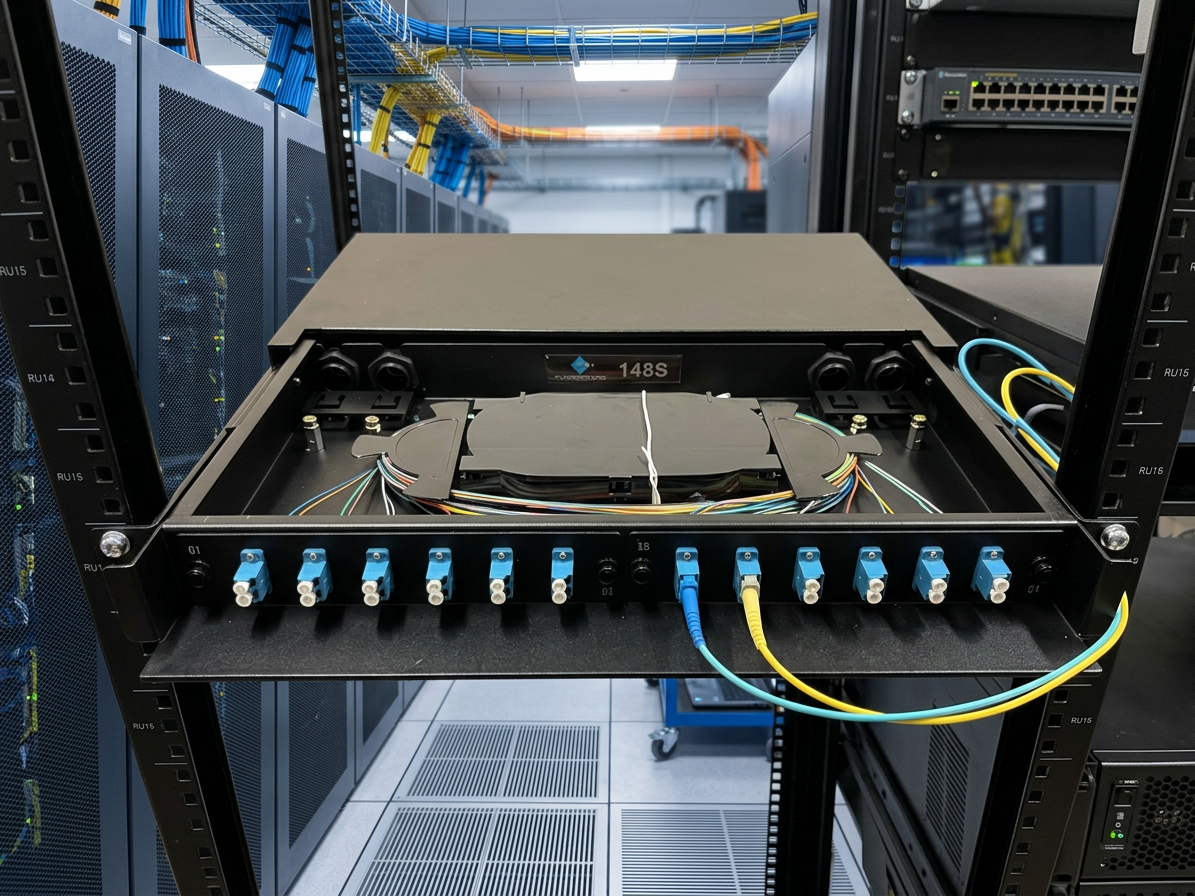
Controlled slack is required to support maintenance and future upgrades.
Guidelines:
- avoid excessive coiling
- store slack in structured loops
- maintain minimum bend radius in all storage loops
- label slack points clearly
Incorrect slack handling can introduce hidden stress points in fibre runs.
5. VERTICAL AND HORIZONTAL ROUTING CONSIDERATIONS
Vertical routing:
- secure cable at regular intervals
- prevent gravity strain on connectors
- use strain relief points in risers
Horizontal routing:
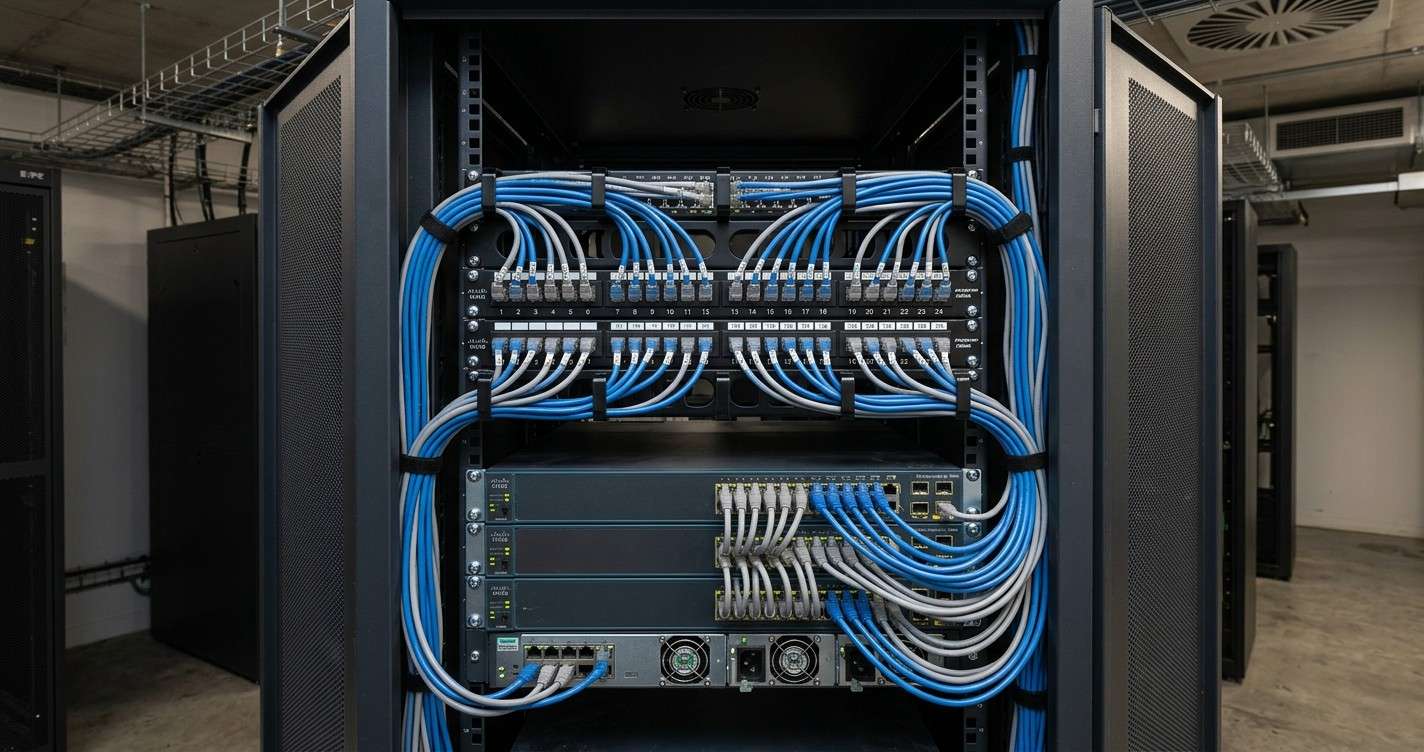
- maintain even distribution
- avoid tight corners and abrupt directional changes
- ensure consistent tray support
6. ENVIRONMENTAL FACTORS
Routing decisions must account for installation environment.
Industrial environments:
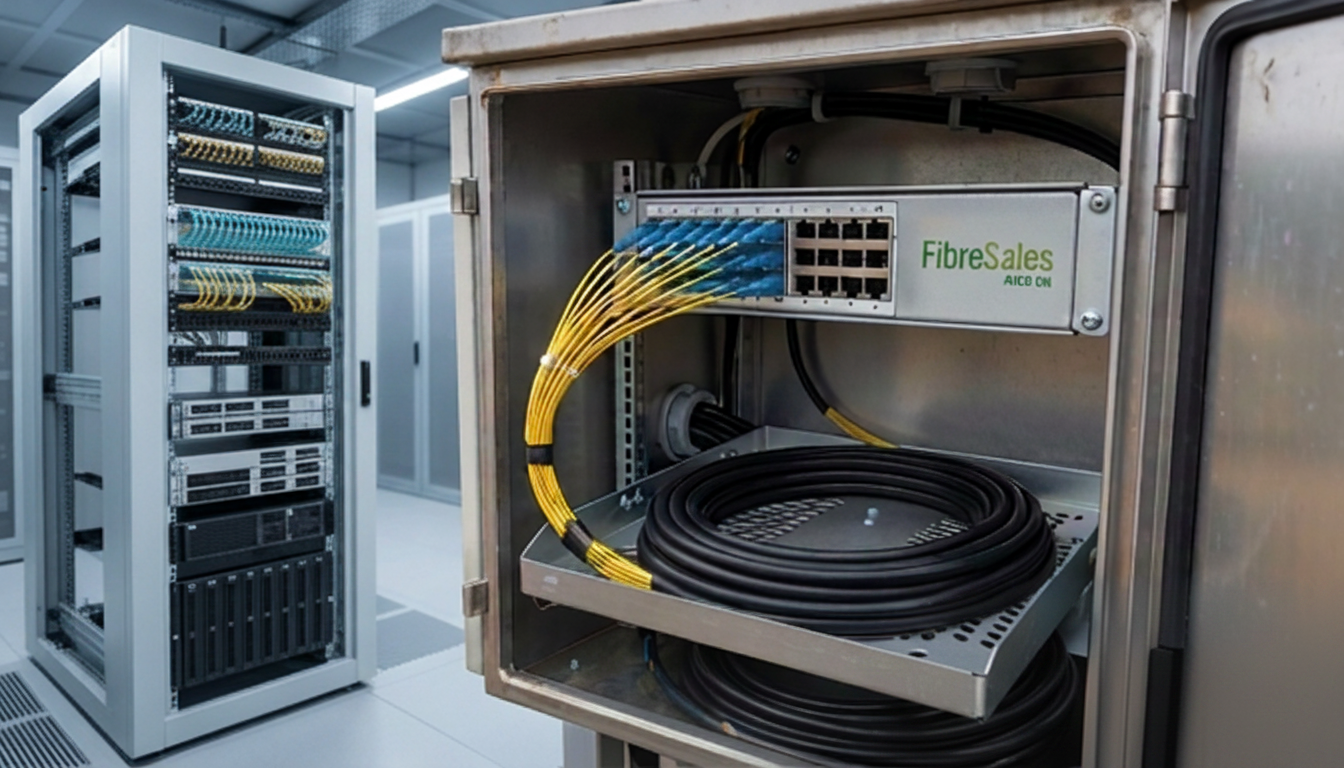
- require armoured fibre protection
- higher mechanical stress tolerance
- vibration resistance considerations
Data centres:
- focus on density and airflow
- prioritise accessibility and serviceability
https://fibresales.com.au/armoured-fibre-cable-guide/
7. COMMON ROUTING MISTAKES
Most fibre failures caused by routing issues include:
- exceeding bend radius limits
- tight cable bundling
- poor tray transitions
- crossing high-traffic maintenance paths
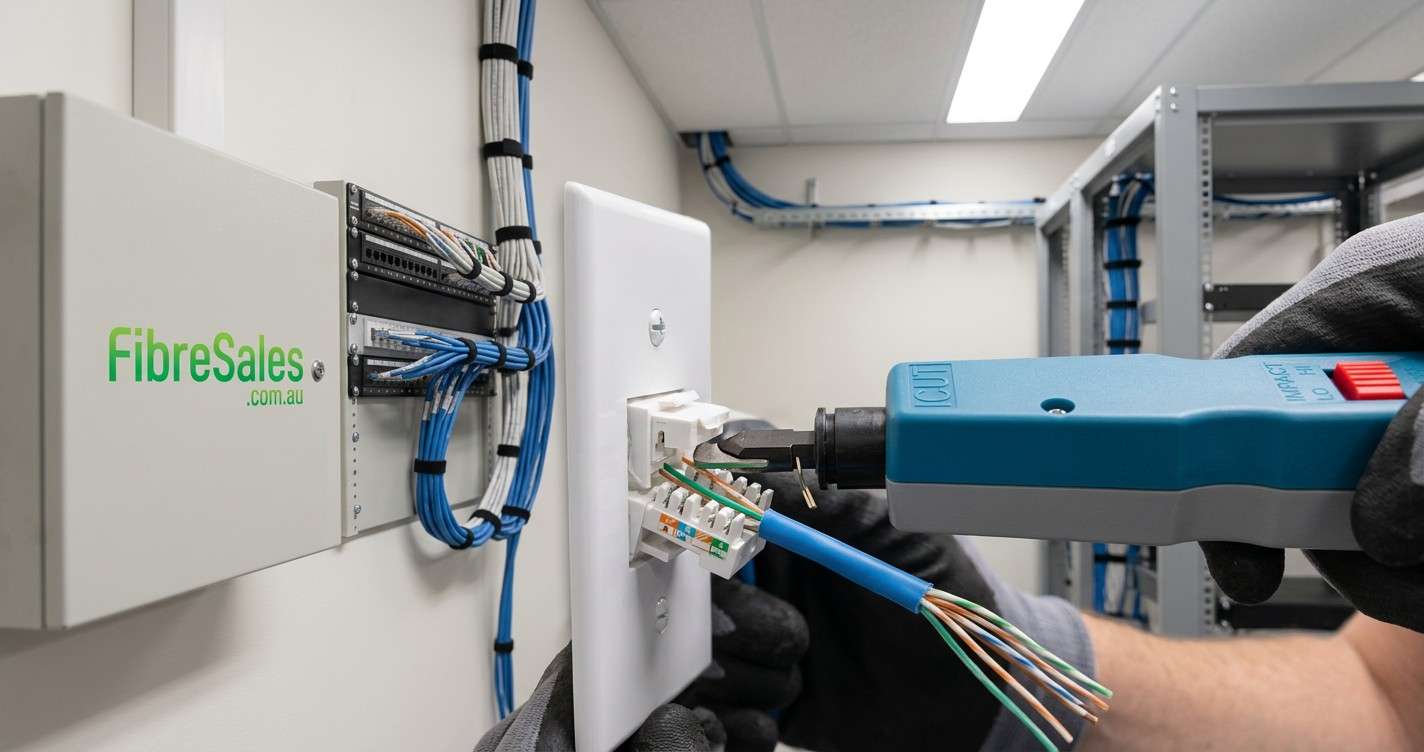
- improper strain relief at termination points
These issues often manifest as intermittent faults rather than immediate failure.
8. IMPACT ON NETWORK PERFORMANCE
Routing directly impacts:
- insertion loss stability
- physical durability
- maintenance efficiency
- fault isolation time
Even small routing errors can create long-term degradation in high-speed fibre networks.
9. LINK TO INSTALLATION AND TESTING (TRUNK INTEGRATION)
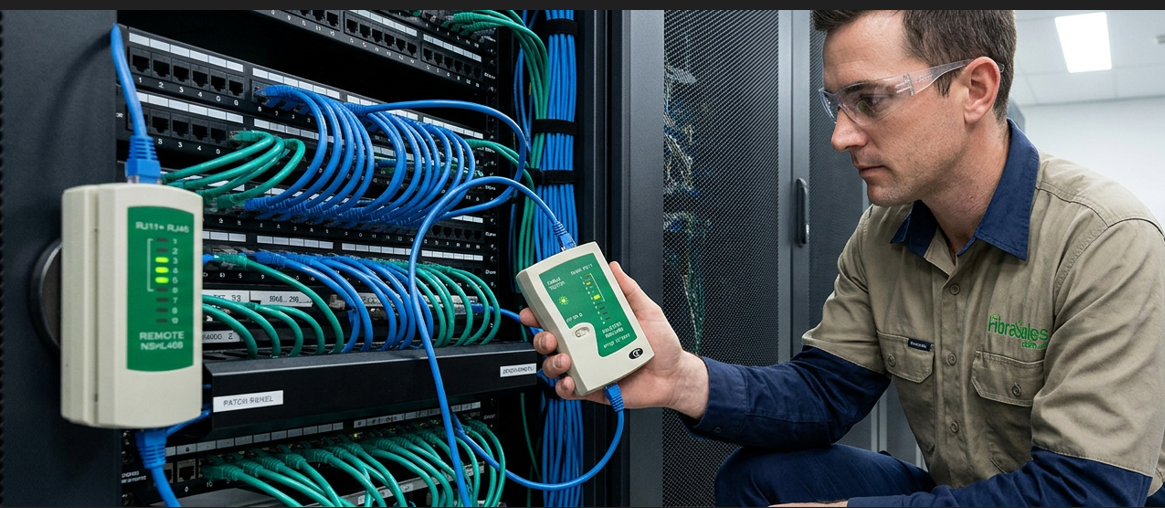
Fibre routing must always align with installation and testing standards.
Related content:
- https://fibresales.com.au/fibre-installation-best-practices/
- https://fibresales.com.au/fibre-optic-testing-performance-guide-australia/
REAL-WORLD ENGINEERING INSIGHT
In practical installations, routing quality is one of the most underestimated factors in fibre performance. Many network issues attributed to fibre components are actually caused by mechanical stress introduced during installation routing.
Experienced technicians prioritise:
- controlled physical layout
- minimal mechanical stress
- consistent bend radius compliance
- structured tray discipline
For fibre optic installation products, structured cabling systems, and routing accessories, visit www.fibresales.com.au