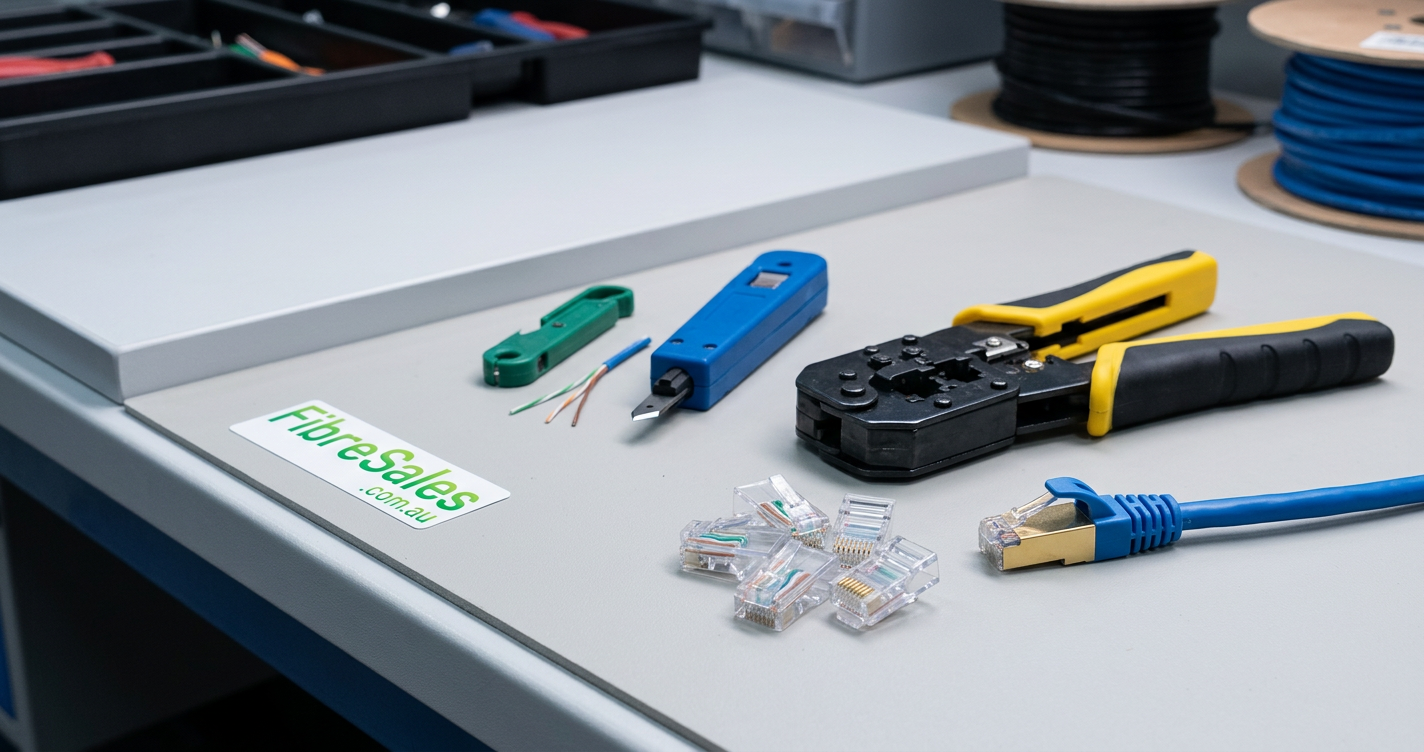
RJ45 Connectors Explained

RJ45 Connectors

RJ45 Connectors Explained: How to Choose the Right Ethernet Connector

Choosing the Right RJ45 Connectors

RJ45 Connectors are essential components of every Ethernet network, providing the physical connection between network cables and devices such as computers, switches, routers, wireless access points and IP cameras. Although they appear similar, RJ45 connectors are not universally compatible with every Ethernet cable. Choosing the correct connector for your cable type helps ensure reliable network performance, easier installation and long-term durability.

For many installations, professionally manufactured Cat6 Patch Cables provide the quickest and most reliable solution. However, when custom cable lengths are required, selecting the correct RJ45 connector and installation tools becomes critical to achieving a professional result.

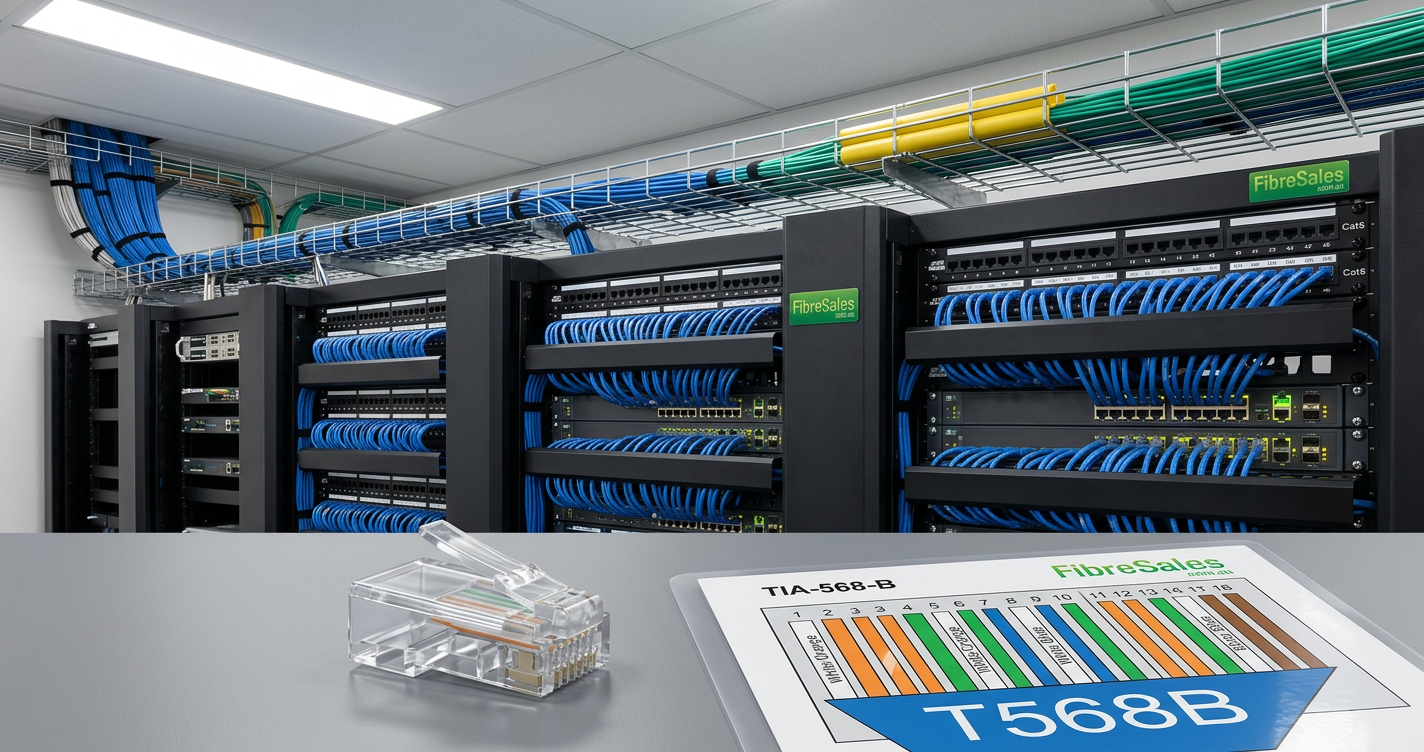
This guide explains the different types of RJ45 connectors, how they differ, which connectors are best suited to Cat6 cabling and the factors you should consider before making a purchase. Wiring sequences, colour codes and termination procedures are intentionally covered only briefly, as these topics are explained in RJ45 Pinout: How to Wire Ethernet Cables Step-by-Step.


What Are RJ45 Connectors?

RJ45 connectors are modular 8P8C (Eight Position, Eight Contact) connectors designed to terminate twisted-pair Ethernet cables for Local Area Networks (LANs). Once terminated correctly, they allow Ethernet devices to communicate reliably while supporting modern network technologies including Gigabit Ethernet, 10 Gigabit Ethernet and Power over Ethernet (PoE).

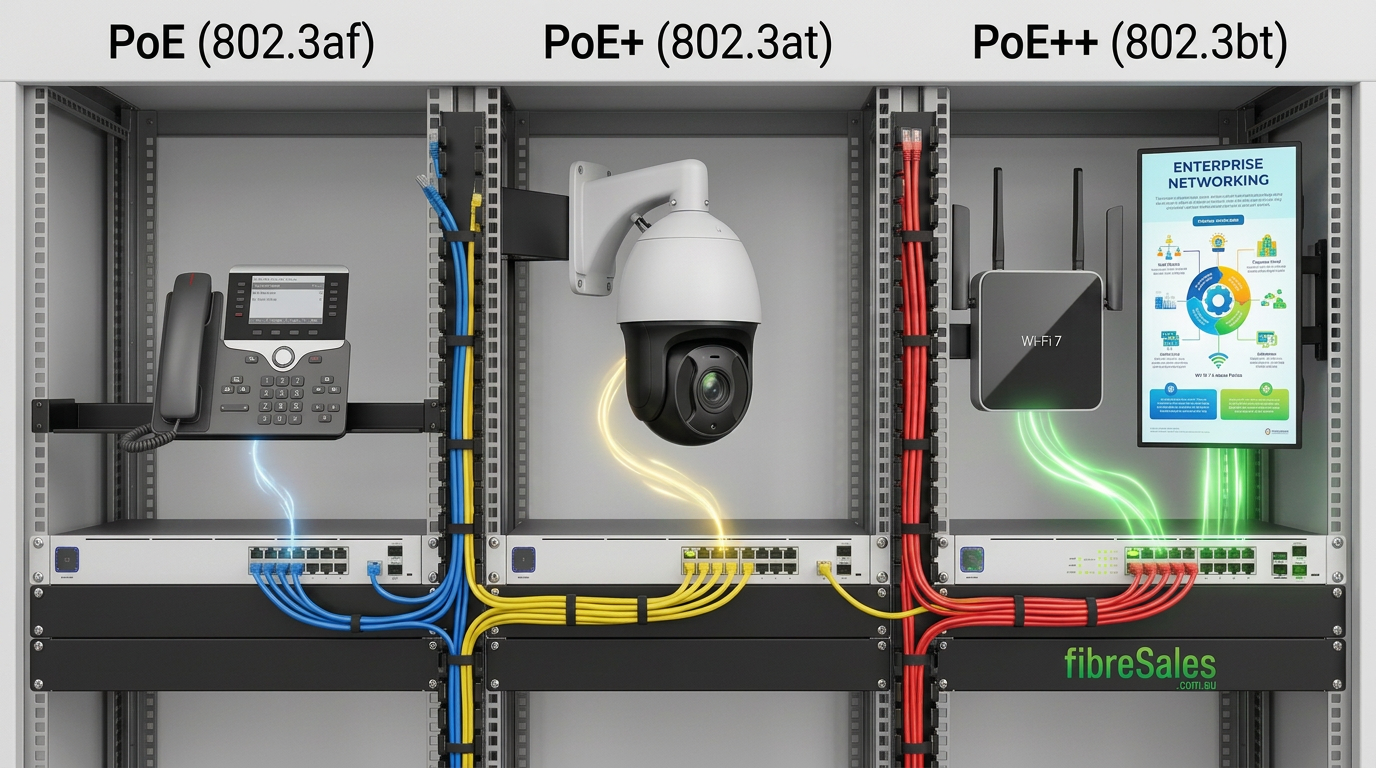
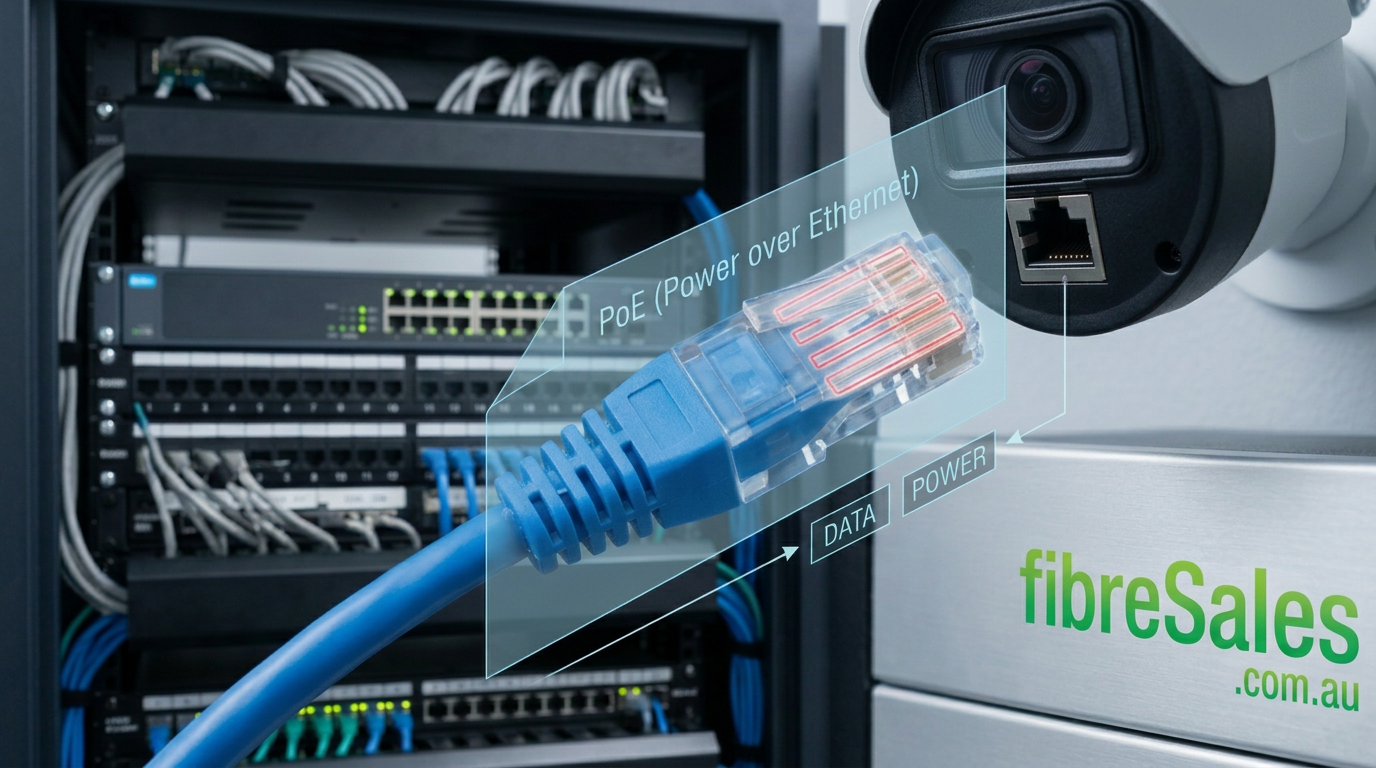
If you’re unfamiliar with PoE or need guidance on selecting Ethernet cables for powered devices, read Understanding PoE and Ethernet Cables | Complete Guide before planning your installation.

Although “RJ45” has become the common industry term, selecting the correct connector involves more than simply matching the plug to the cable. Conductor size, cable construction and connector design all influence how easily the connector terminates and how reliably it performs once installed.

Professional structured cabling installations should follow recognised industry guidance, including the ANSI/TIA-568 Structured Cabling Standard for wiring practices, the IEEE 802.3 Ethernet Standard for Ethernet performance and the BICSI Telecommunications Distribution Methods Manual (TDMM) for structured cabling design and installation best practices.


Why Choosing the Correct RJ45 Connector Matters

Not all RJ45 connectors are manufactured to the same specification.

Cat6 Ethernet cables commonly use larger conductors than earlier cable categories, meaning the connector must be designed to accommodate the cable correctly. Using an incompatible connector can make termination more difficult, reduce contact pressure between the conductors and connector pins, and ultimately affect network reliability.

Before selecting an RJ45 connector, consider:

  • The Ethernet cable category being terminated.
  • Whether the cable uses solid or stranded conductors.
  • The conductor diameter.
  • Whether a standard or pass-through connector is more appropriate.
  • The installation environment.
  • Whether a factory-terminated Cat6 Patch Cables would provide a faster and more reliable solution.

Where custom cable assemblies are required, using professional RJ45 Crimping Tools together with quality Wire Strippers helps produce cleaner terminations while reducing installation time and minimising connector failures.


Common Applications for RJ45 Connectors

RJ45 connectors are widely used across residential, commercial and industrial Ethernet networks.

Typical applications include:

  • Office structured cabling systems.
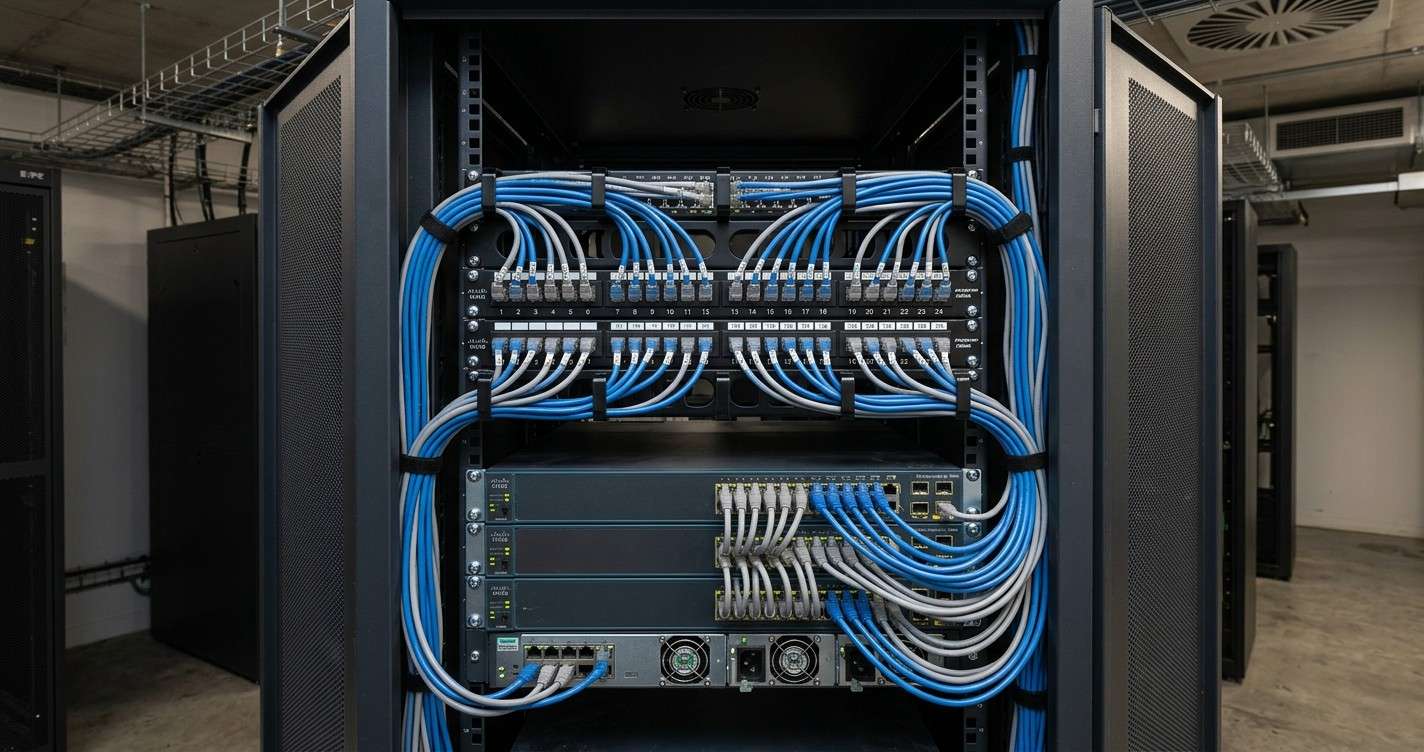
  • Communications cabinets and server racks.
  • Network switches and routers.
  • Wireless access points.
  • IP security camera installations.
  • VoIP telephone systems.
  • Industrial Ethernet networks.
  • Educational and healthcare facilities.

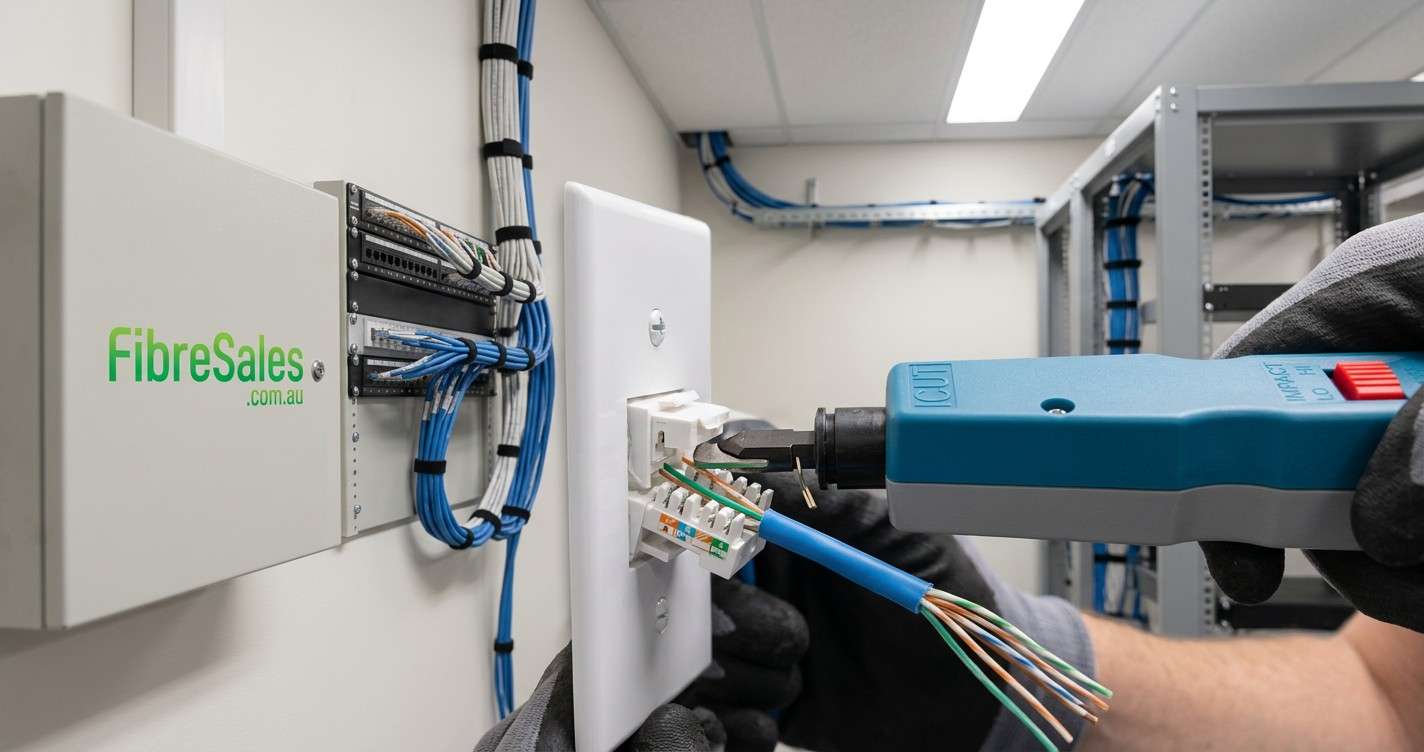
Where permanent building cabling is installed, Ethernet cables are typically terminated into Keystone Jacks using professional Punch-down Tools, while RJ45 connectors are generally reserved for patch leads and equipment connections.


Engineering Decision

Choosing the correct RJ45 connector begins with understanding the cable you are terminating. Selecting compatible connectors, quality installation tools and appropriate testing equipment reduces installation time and helps avoid expensive troubleshooting later.

For equipment connections where standard cable lengths are suitable, professionally manufactured Cat6 Patch Cables provide factory-tested performance and eliminate the need for field termination. However, where custom cable lengths are required, pairing quality RJ45 connectors with RJ45 Crimping Tools and verifying every completed cable using Cable Testers helps ensure reliable long-term network performance.

Types of RJ45 Connectors

Although all RJ45 connectors perform the same basic function, they are not all designed for the same installation method or cable type. Understanding the differences helps ensure a reliable termination while making installation faster and easier.

For fibreSales customers, the two most relevant connector styles are standard RJ45 connectors and pass-through RJ45 connectors. Both are suitable for Cat6 Ethernet installations when matched with the correct cable and installation tools.


Standard RJ45 Connectors

Standard RJ45 connectors are the traditional connector used throughout the networking industry. After arranging the conductors into the correct order, the installer trims them to length before inserting them into the connector and securing them using RJ45 Crimping Tools.

Standard connectors remain a popular choice because they:

  • Produce neat, professional terminations.
  • Are widely used in commercial structured cabling installations.
  • Support reliable Gigabit Ethernet and 10 Gigabit Ethernet applications when installed correctly.
  • Work well with Cat6 Ethernet cables designed for standard RJ45 connectors.

Because the conductors are trimmed before insertion, accuracy is essential. Following the correct wiring sequence is equally important, so installers should refer to RJ45 Pinout: How to Wire Ethernet Cables Step-by-Step when terminating custom Ethernet cables.


Pass-Through RJ45 Connectors

Pass-through RJ45 connectors simplify the termination process by allowing the conductors to extend completely through the front of the connector before crimping. Excess wire is trimmed during the crimping process, making it easier to verify the conductor order before the connector is permanently secured.

Pass-through connectors are particularly useful for:

  • New installers learning Ethernet cable termination.
  • High-volume installations.
  • Reducing wiring errors.
  • Faster field termination.

Although they simplify installation, pass-through connectors still require careful preparation using quality Wire Strippers and professional RJ45 Crimping Tools to achieve reliable results.


Cat5e vs Cat6 RJ45 Connectors

One of the most common mistakes made during Ethernet cable installation is assuming every RJ45 connector is interchangeable.

While Cat5e and Cat6 connectors appear almost identical, Cat6 connectors are manufactured to accommodate the larger conductor diameter commonly found in Cat6 Ethernet cables. Many Cat6 cables also include a central separator that helps maintain pair spacing for improved signal performance.

Using a connector that isn’t designed for the cable being terminated can make installation more difficult and may reduce long-term reliability.

When terminating Cat6 Ethernet cable:

  • Select connectors designed specifically for Cat6 cable.
  • Match the connector to the conductor size recommended by the manufacturer.
  • Avoid forcing larger conductors into undersized connectors.
  • Test every completed cable using Cable Testers before deployment.

Where standard cable lengths meet the installation requirements, professionally manufactured Cat6 Patch Cables remove the need for field termination altogether while providing factory-tested performance.


Solid vs Stranded Conductors

RJ45 connectors must also be compatible with the conductor type inside the Ethernet cable.

Solid Conductors

Solid-conductor Ethernet cable is commonly used for permanent structured cabling installed through walls, ceilings and cable trays. It offers excellent long-distance performance and is typically terminated into Keystone Jacks using Punch-down Tools before being connected to active equipment using patch leads.


Stranded Conductors

Stranded-conductor cable is more flexible and is generally used for equipment patch leads where frequent movement or bending is expected.

Many RJ45 connectors are designed specifically for either solid or stranded conductors, while some premium connectors support both. Always check the manufacturer’s specifications before installation to ensure compatibility.


Engineering Decision

Selecting the correct RJ45 connector is about more than simply matching the connector to the cable category. The connector should also suit the conductor type, installation method and intended application.

For permanent building cabling, terminate fixed infrastructure into Keystone Jacks using professional Punch-down Tools. For switch connections, equipment racks and communications cabinets, professionally manufactured Cat6 Patch Cables often provide the most reliable and efficient solution. Where custom cable lengths are required, quality RJ45 Crimping Tools and Cable Testers help ensure every termination meets professional installation standards.
How to Choose the Right RJ45 Connector

Selecting the correct RJ45 connector is one of the most important decisions when terminating Ethernet cable. While many connectors look almost identical, choosing one that matches your cable construction, conductor size and installation method helps ensure a secure termination and reliable long-term network performance.

Before purchasing RJ45 connectors, consider the following factors.


Match the Connector to the Cable Category

The first step is ensuring the connector is designed for the cable you intend to terminate.

Cat6 Ethernet cable typically uses larger conductors than earlier cable categories and may include an internal spline to maintain pair separation. Connectors designed specifically for Cat6 cable provide the correct internal dimensions to accommodate these features, making termination easier and improving contact between the conductors and connector pins.

Where standard cable lengths meet your installation requirements, professionally manufactured Cat6 Patch Cables eliminate the need for field termination while delivering factory-tested performance.


Check Conductor Compatibility

Manufactured using either solid or stranded copper conductors, and the connector should be compatible with the conductor type being terminated.

As a general guide:

Cable TypeTypical ApplicationRecommended Termination
Solid conductorPermanent structured cablingKeystone Jacks with Punch-down Tools
Stranded conductorEquipment patch leadsCat6 RJ45 connectors

Selecting the correct combination improves connector retention and helps maintain reliable electrical contact throughout the life of the installation.


Consider Installation Volume

The type of installation often determines the most practical connector choice.

For occasional repairs or small projects, standard RJ45 connectors provide an economical solution. However, installers terminating large numbers of Ethernet cables often prefer pass-through connectors because they simplify conductor alignment and reduce installation time.

Regardless of connector style, quality preparation tools improve consistency and reduce installation errors.

For best results, use professional:

Testing every completed cable confirms the connector has been terminated correctly before it is placed into service.


Don’t Forget Network Performance

An Ethernet network only performs as well as its weakest connection.

Poor-quality connectors, incorrect conductor compatibility or inaccurate termination can result in:

  • Reduced network speeds.
  • Intermittent connectivity.
  • Packet loss.
  • Failed Gigabit Ethernet negotiation.
  • Unreliable Power over Ethernet (PoE) performance.

If you’re installing devices powered by PoE, our Understanding PoE and Ethernet Cables | Complete Guide explains cable selection, power requirements and best practices for reliable operation.


Common Mistakes When Choosing RJ45 Connectors

Connector problems occur before the cable is even terminated.

Avoid these common mistakes:

  • Purchasing connectors designed for a different cable category.
  • Using connectors that are incompatible with the conductor size.
  • Selecting poor-quality connectors for commercial installations.
  • Failing to test completed cables before deployment.
  • Choosing field termination when factory-tested Cat6 Patch Cables would provide a faster and more reliable solution.

Taking a few minutes to select the correct components before installation can significantly reduce troubleshooting time later.


Real-World Installation Example

An electrical contractor is installing network outlets throughout a new office fit-out. Permanent horizontal cabling is terminated into Keystone Jacks using Punch-down Tools in accordance with the ANSI/TIA-568 Structured Cabling Standard. Communications switches are then connected to the patch panel using factory-tested Cat6 Patch Cables.

Where custom equipment leads are required, Cat6 RJ45 connectors are terminated using professional RJ45 Crimping Tools and verified with Cable Testers before the network is commissioned.

This approach reduces installation time, improves long-term reliability and aligns with recognised structured cabling best practices.


Engineering Decision

Choosing the right RJ45 connector is about selecting the complete installation solution rather than focusing on the connector alone. Matching the connector to the cable category, conductor type and installation method helps produce reliable Ethernet connections while reducing future maintenance.

For fixed infrastructure, terminate permanent cabling into Keystone Jacks. For equipment connections, professionally manufactured Cat6 Patch Cables provide factory-tested reliability. Where custom cable lengths are required, quality RJ45 Crimping Tools, Wire Strippers and Cable Testers help deliver professional results every time.

RJ45 Connector Installation Best Practices

Selecting the correct RJ45 connector is only part of achieving a reliable Ethernet installation. Proper preparation, quality tools and recognised installation practices all contribute to consistent network performance and minimise the risk of future faults.

Whether you’re terminating a single Ethernet cable or completing a large commercial installation, following proven installation techniques helps ensure every connection performs as expected.


Essential Tools for RJ45 Connector Installation

Using the correct tools makes installation faster, improves termination quality and reduces the likelihood of wiring errors.

For professional Ethernet cable termination, you’ll typically require:

For permanent structured cabling installations, you’ll also require:

Using professional installation tools helps produce consistent terminations while reducing installation time and minimising rework.


Follow Recognised Cabling Standards

Professional Ethernet installations should follow recognised industry standards and best practices to maintain compatibility, reliability and long-term performance.

Relevant industry references include:

Following recognised standards helps ensure new installations remain compatible with existing infrastructure while supporting future network upgrades.


Common Installation Mistakes

Even experienced installers occasionally encounter problems caused by incorrect connector selection or poor installation practices.

The most common mistakes include:

MistakePotential Result
Using connectors that don’t match the cableDifficult termination and unreliable connections
Incorrect conductor preparationPoor electrical contact
Damaging conductors while stripping the cableReduced reliability
Poor crimp qualityIntermittent network faults
Skipping cable testingUndetected wiring faults
Using field-terminated patch leads where factory-tested leads are suitableIncreased installation time and greater risk of termination errors

Most of these issues can be avoided by selecting compatible components and testing every completed cable before it is connected to active network equipment.


Testing Every RJ45 Connection

Every terminated Ethernet cable should be tested before being placed into service.

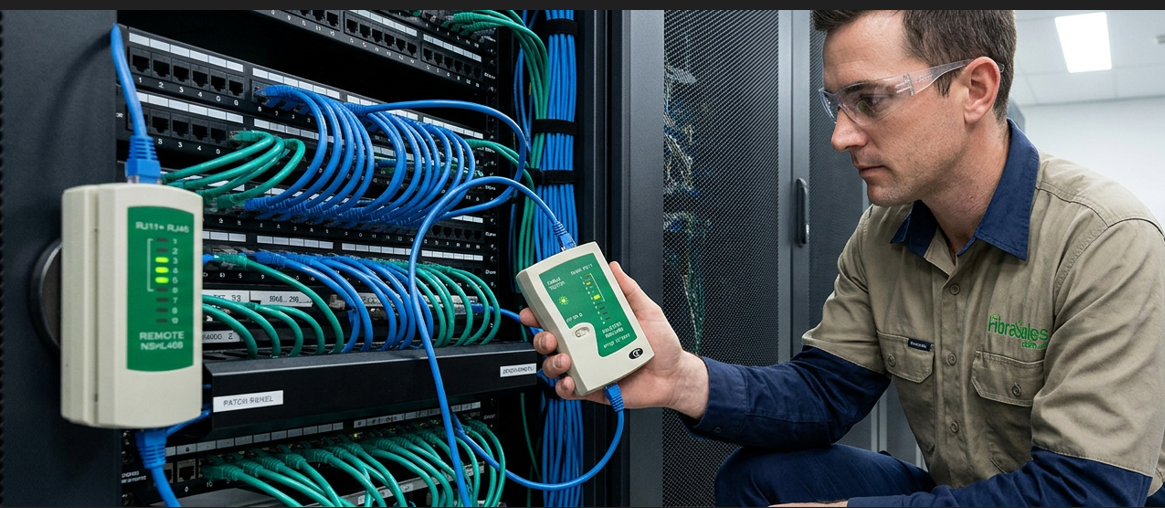
Using professional Cable Testers helps verify:

  • Correct conductor continuity.
  • Wiring accuracy.
  • Pin-to-pin connectivity.
  • Open or short circuits.
  • Reversed conductors.

Testing immediately after termination allows faults to be corrected before installation is completed, reducing commissioning delays and unnecessary troubleshooting.

Where detailed guidance on Ethernet testing is required, it should be covered in a dedicated testing article rather than repeated here, maintaining the ownership principles defined within the fibreSales content strategy.


When Should You Use Factory-Terminated Patch Leads?

While RJ45 connectors allow custom cable lengths to be produced on-site, they are not always the most efficient solution.

Professionally manufactured Cat6 Patch Cables are generally the preferred option for:

  • Communications cabinets.
  • Data centres.
  • Server racks.
  • Office workstations.
  • Network switches.
  • Router interconnections.

Factory-tested patch leads provide:

  • Consistent manufacturing quality.
  • Verified electrical performance.
  • Faster installation.
  • Reduced labour costs.
  • Improved long-term reliability.

Custom RJ45 terminations remain valuable where unique cable lengths are required or existing infrastructure must be repaired.


Engineering Decision

The most reliable Ethernet installation combines quality components, professional installation practices and appropriate testing.

Use RJ45 connectors where custom cable assemblies are required, terminate permanent horizontal cabling into Keystone Jacks and complete every installation using professional RJ45 Crimping Tools, Wire Strippers and Cable Testers.

Where standard cable lengths are suitable, professionally manufactured Cat6 Patch Cables remain the most efficient and reliable choice for connecting active network equipment, reducing installation time while delivering factory-tested performance.

Related Posts

Business Cat6 cable installed in a professional office network cabinet

Best Cat6 Patch Cable for Business | Buying Guide

Business Cat6 cable selection affects far more than whether an Ethernet connection works. In a...

rj45-punch-down-tools-explained

RJ45 Punch-down Tools Explained | Complete Installation Guide

RJ45 Punch-down Tools Explained | Complete Installation Guide RJ45 punch-down tools are essential for terminating...

PoE vs PoE+ vs PoE++

PoE vs PoE+ vs PoE++ | Which Power over Ethernet Standard Do You Need?

PoE vs PoE+ vs PoE++ | Which Power over Ethernet Standard Do You Need? What’s...

PoE RJ45 Pinout showing how Power over Ethernet carries data and electrical power through a Cat6 Ethernet cable.

PoE RJ45 Pinout Explained | Power over Ethernet Wiring Guide

RJ45 Pinout Explained What Is a PoE RJ45 Pinout? A PoE RJ45 pinout describes how...

Ethernet Networks Use T568B in Australian commercial structured cabling installations for compatibility and consistency.

Why Most Ethernet Networks Use T568B | Commercial Wiring Standard

Why Most Ethernet Networks Use T568B Why Most Ethernet Networks Use T568B Although both T568A...

Ethernet Cable Testing using a professional cable tester to verify a Cat6 Ethernet cable.

Ethernet Cable Testing Guide | How to Test Network Cables Correctly

Ethernet Cable Testing Guide Testing Ethernet Cables the Right Way Testing an Ethernet cable is...