Can Cat6 Run 10G? Complete Guide to 10 Gigabit Ethernet
Modern networks continue to demand higher bandwidth as businesses, home offices and data-intensive applications rely on faster Ethernet connections. Consequently, many buyers ask whether existing Cat6 cabling is capable of supporting 10 Gigabit Ethernet (10GBASE-T) or whether upgrading to Cat6A is necessary.
The good news is that Cat6 can run 10G, provided the installation meets the required distance and performance conditions. However, cable quality, installation practices, interference and overall channel length all influence whether a network will reliably achieve 10 Gigabit speeds.
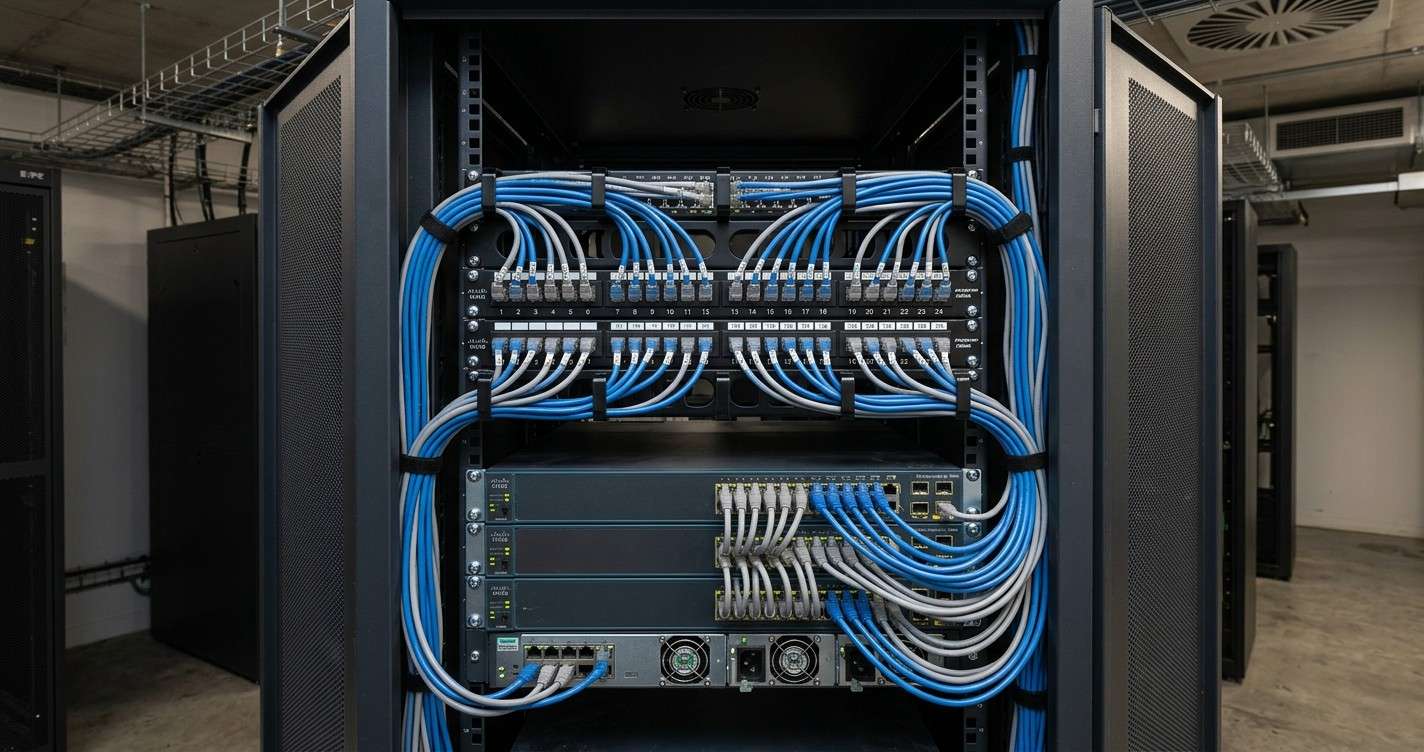
For most office and residential installations, professionally manufactured Cat6 Patch Cables deliver excellent performance for Gigabit networking and can also support 10 Gigabit Ethernet across shorter cable runs. Where high-density racks or improved airflow are priorities, Cat6AU Ultra Thin Patch Cables provide the same network performance while making cable management easier.
In this guide, we’ll explain when Cat6 supports 10 Gigabit Ethernet, the maximum recommended distances, the factors that affect performance and how to choose the right Ethernet patch cable for your installation.
What Does 10 Gigabit Ethernet Mean?
10 Gigabit Ethernet (10GBASE-T) is an Ethernet standard capable of transferring data at speeds of up to 10 gigabits per second (10 Gbps). This is ten times faster than traditional Gigabit Ethernet and is commonly used in data centres, business networks, media production, engineering environments and high-performance home networks.
Although internet connections rarely require 10 Gbps today, many local networks benefit from higher speeds when transferring large files between computers, network-attached storage (NAS), servers and backup systems.
When paired with professionally manufactured Cat6 Patch Cables, many installations can successfully operate at 10 Gigabit Ethernet over appropriate cable distances.
Can Cat6 Run 10G?
Yes. Cat6 can support 10 Gigabit Ethernet, but only under the right conditions.
Unlike Cat6A, which is specifically designed to support 10GBASE-T across the full 100-metre channel, Cat6 supports 10 Gigabit Ethernet over shorter distances where signal quality remains within the required performance limits.
Several factors determine whether Cat6 will successfully achieve 10 Gigabit speeds, including:
- Total channel length.
- Patch cable quality.
- Permanent link quality.
- Electromagnetic interference (EMI).
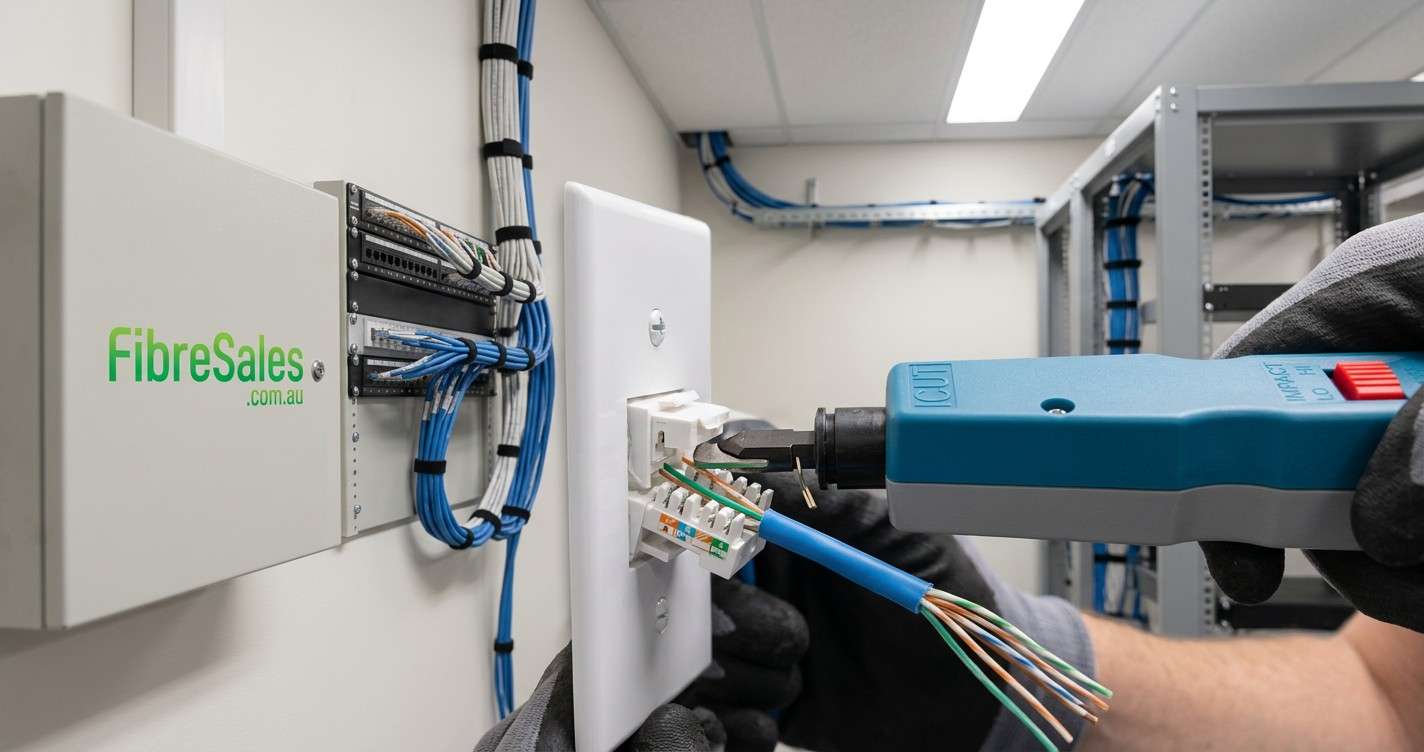
- Installation practices.
- Connector quality.
- Testing and certification.
Choosing high-quality Cat6 Patch Cables helps maximise performance by providing consistent conductor quality, accurate termination and reliable RJ45 connections.
For installations where cable density is high, such as communications cabinets and equipment racks, Cat6AU Ultra Thin Patch Cables offer the same Ethernet performance while improving airflow and reducing cable congestion.
Cat6 vs Cat6A for 10 Gigabit Ethernet
Although both cable categories can support 10 Gigabit Ethernet, they are designed for different applications.
| Feature | Cat6 | Cat6A |
|---|---|---|
| Maximum bandwidth | 250 MHz | 500 MHz |
| Supports 10GBASE-T | Yes | Yes |
| Typical 10G distance | Up to approximately 55 metres* | Up to 100 metres |
| Gigabit Ethernet | Excellent | Excellent |
| Future expansion | Good | Excellent |
*Actual performance depends on installation quality, cable environment and compliance with recognised cabling standards.
For a complete comparison of cable categories, read CAT6 vs CAT6A vs CAT6AU | Which Ethernet Patch Cable Should You Choose?.
What Affects 10 Gigabit Performance?
Achieving reliable 10 Gigabit Ethernet is influenced by much more than the cable category alone.
Cable Quality
Poorly manufactured Ethernet cables often have inconsistent conductor sizes, inferior insulation or inaccurate connector termination. These issues can increase signal loss and reduce overall network reliability.
Selecting professionally manufactured Cat6 Patch Cables helps ensure consistent electrical performance and long-term reliability.
Installation Quality
Sharp cable bends, excessive pulling force and poor cable management can all reduce network performance.
Following recognised structured cabling practices helps maintain signal integrity while making future maintenance easier.
Electromagnetic Interference (EMI)
Running Ethernet cables alongside electrical power cables, motors or other sources of interference can negatively affect network performance.
Maintaining appropriate cable separation and following recognised installation standards helps minimise interference.
Patch Cable Selection
Even where the permanent cabling is installed correctly, poor-quality patch leads can become the weakest point in the channel.
Using professionally tested Cat6 Patch Cables at equipment connections helps maintain consistent network performance. Where rack space is limited, Cat6AU Ultra Thin Patch Cables simplify cable management while maintaining the same network capability.
Engineering Decision
For most Australian homes and businesses, 10 Gigabit Ethernet is achievable with Cat6, provided the network has been designed and installed correctly. If your cable runs are relatively short, professionally manufactured Cat6 Patch Cables can deliver excellent 10G performance while offering an economical upgrade path from Gigabit Ethernet.
However, where cable runs approach the maximum channel length, electromagnetic interference is present or long-term network expansion is planned, Cat6A becomes the preferred solution because it is designed to support 10GBASE-T over the full 100-metre channel.
If your installation includes a communications cabinet or high-density switch rack, Cat6AU Ultra Thin Patch Cables provide an excellent way to reduce cable congestion, improve airflow around active equipment and simplify ongoing cable management.
Technical Standards
Reliable 10 Gigabit Ethernet performance depends on compliance with recognised networking and structured cabling standards.
The IEEE 802.3 Ethernet Standards define the physical-layer requirements for Ethernet technologies, including 10GBASE-T.
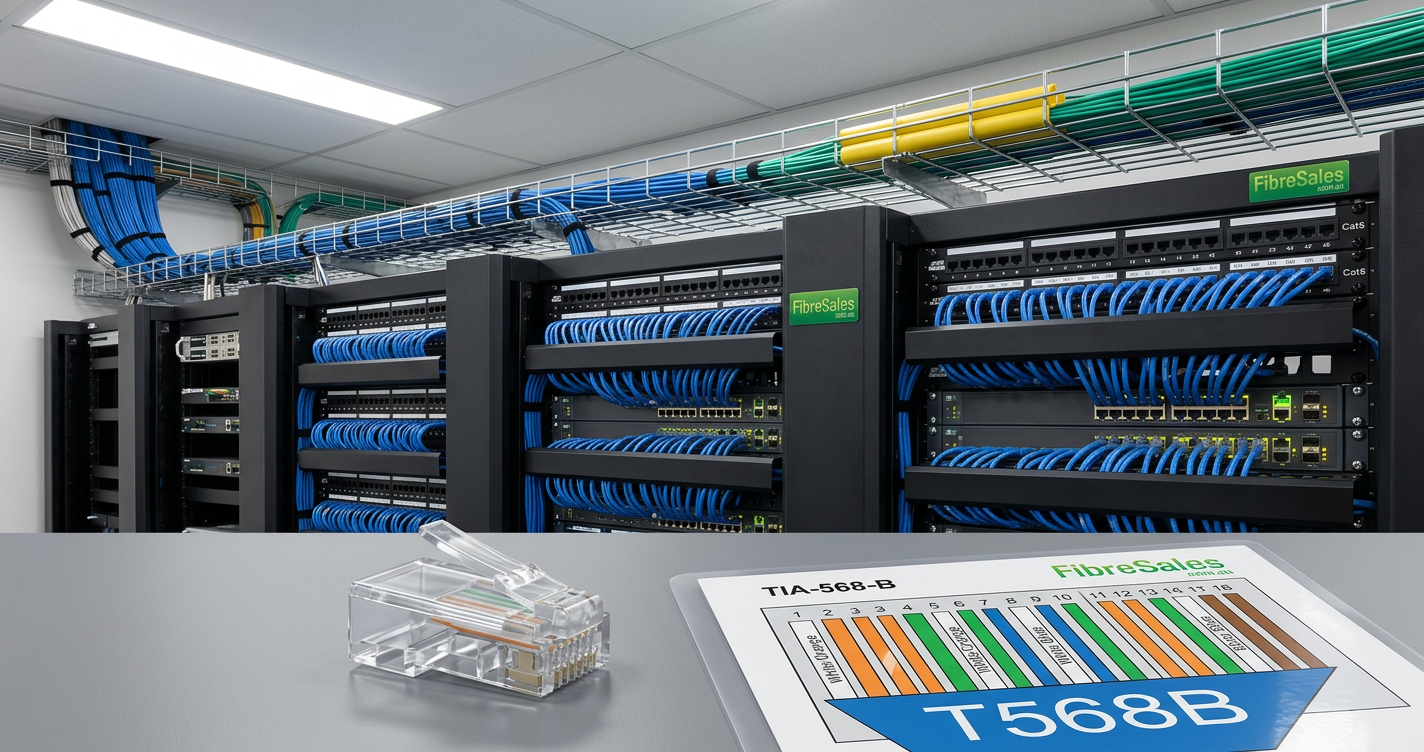
The ANSI/TIA-568 Structured Cabling Standard specifies recognised installation practices, performance categories and connector pin assignments used throughout commercial and residential Ethernet networks.
The ISO/IEC 11801 – Generic Cabling for Customer Premises standard establishes internationally recognised requirements for structured cabling systems, helping ensure interoperability and long-term network performance.
Selecting quality Cat6 Patch Cables and following recognised installation practices gives your network the best opportunity to achieve reliable 10 Gigabit Ethernet performance.
Real-World Installation Example
An architectural firm upgrades its office network to support faster file transfers between workstations and a central NAS used for large CAD drawings. Most cable runs are under 40 metres and the existing structured cabling has been professionally installed and tested.
Rather than replacing the complete cabling infrastructure, the business installs 10 Gigabit switches and uses professionally manufactured Cat6 Patch Cables to connect workstations, patch panels and network equipment. Inside the communications rack, Cat6AU Ultra Thin Patch Cables improve cable management and airflow around the active equipment.
The result is a significant improvement in local file transfer speeds without the expense of a complete network recabling project.
Common Mistakes When Trying to Run 10G Over Cat6
Many reported 10 Gigabit Ethernet issues are caused by installation problems rather than the Cat6 cable itself.
Avoid these common mistakes:
- Assuming every Cat6 installation will automatically support 10G over 100 metres.
- Purchasing low-quality Ethernet patch leads instead of professionally tested Cat6 Patch Cables.
- Using damaged or poorly terminated patch cables.
- Running Ethernet cables alongside mains power without appropriate separation.
- Exceeding recommended channel lengths.
- Mixing poor-quality patch leads with certified structured cabling.
- Ignoring testing after network upgrades.
- Choosing cable based solely on price rather than performance and reliability.
Frequently Asked Questions About Cat6 and 10G
Can Cat6 really run 10 Gigabit Ethernet?
Yes. Cat6 can support 10GBASE-T over shorter channel lengths when the cabling system is correctly installed and tested.
Is Cat6 fast enough for a home network?
Absolutely. For most homes, Cat6 Patch Cables provide more than enough performance for Gigabit internet, online gaming, media streaming, NAS devices and many 10 Gigabit local networking applications.
Should I buy Cat6 or Cat6A for 10G?
If your cable runs are short and the existing installation is in good condition, Cat6 is often sufficient. For new installations approaching the maximum channel length or where long-term 10 Gigabit performance is required, Cat6A is generally the better choice.
For a detailed comparison, read CAT6 vs CAT6A vs CAT6AU | Which Ethernet Patch Cable Should You Choose?.
Do patch cables affect 10 Gigabit performance?
Yes. Patch cables form part of the complete Ethernet channel. Using professionally manufactured Cat6 Patch Cables helps maintain signal integrity and network reliability.
Can ultra-thin patch cables support 10G?
Yes. Cat6AU Ultra Thin Patch Cables are designed to deliver the same Ethernet performance as standard Cat6 patch cables while providing better cable management and improved airflow in high-density installations.
Why fibresales
fibresales supplies high-quality networking products for residential, commercial and industrial Ethernet installations. Whether you are upgrading an existing Gigabit network or planning a new 10 Gigabit deployment, our range of Cat6 Patch Cables and Cat6AU Ultra Thin Patch Cables provides reliable, professionally manufactured solutions trusted by Australian installers, IT professionals and businesses.
Conclusion
The answer is yes—Cat6 can run 10 Gigabit Ethernet when the network is designed, installed and maintained correctly. For many Australian homes and businesses, existing Cat6 infrastructure is capable of supporting 10GBASE-T over shorter channel lengths, making it a cost-effective upgrade for faster local network performance.
Choosing professionally manufactured Cat6 Patch Cables is essential to achieving reliable results. High-quality patch leads help maintain signal integrity, reduce connection issues and ensure the overall Ethernet channel performs as intended. Where cable density is high, Cat6AU Ultra Thin Patch Cables provide the same dependable performance while improving airflow and simplifying cable management.
If you’re planning a network upgrade, consider your cable lengths, future bandwidth requirements and installation environment before deciding whether Cat6 or Cat6A is the most suitable option.
Shop fibresales
Whether you’re upgrading an existing Gigabit network or deploying a new 10 Gigabit Ethernet installation, fibresales stocks professional networking products designed for reliable performance and long service life.
Explore our range of Cat6 Patch Cables for dependable Ethernet connections, or choose Cat6AU Ultra Thin Patch Cables when improved cable management and airflow are important.
For more fibre optic solutions, technical resources, and installation products, visit www.fibresales.com.au.
Continue Learning
Expand your networking knowledge with these related fibresales guides:
- Best Cat6 Patch Cable for Home Networks | fibresales Buying Guide – Learn how to choose the best Cat6 patch cable for streaming, gaming, home offices and everyday networking.
- What Length Patch Cable Should I Buy? | fibresales Buying Guide – Discover how to select the correct Ethernet cable length for reliable performance and tidy cable management.
- What is a Cat6 Patch Cable? Complete Guide for Home & Business – Understand how Cat6 patch cables work, their construction and the applications they are designed for.
- CAT6 vs CAT6A vs CAT6AU | Which Ethernet Patch Cable Should You Choose? – Compare Cat6, Cat6A and Cat6AU to determine which cable category best suits your installation.
- Copper Patch Leads Explained | The Complete Guide to Ethernet Patch Cables – Learn about Ethernet patch lead construction, connector quality and buying considerations.
- Copper Networking Explained | The Complete Guide to Ethernet Networks – Explore Ethernet standards, structured cabling and network design fundamentals.
- Cat6 vs Fibre: Which Network Cable Should You Choose? – Compare copper Ethernet and fibre optic cabling to determine the right solution for your network.
- Everything You Need to Know – Cat6 Cables Understand how Cat6 patch cables work, their construction and the applications they are designed for.
- Can Cat6 Run 10G?
- Best Cat6 Cable for PoE
- Cat6 for IP Cameras
- Slimline vs Standard Patch Leads
- LSZH vs PVC Cat6 Patch Cables
- RJ45 Connectors Explained
- Ethernet Cable Testing
References
- IEEE 802.3 Ethernet Standards – Defines Ethernet technologies, including 10GBASE-T, and establishes the physical-layer specifications used in modern wired networks.
- ANSI/TIA-568 Structured Cabling Standard – Provides recognised structured cabling requirements, connector pin assignments and installation practices for Ethernet networks.
- ISO/IEC 11801 – Generic Cabling for Customer Premises – International standard covering the design and performance of structured cabling systems across commercial and residential environments.
- BICSI Telecommunications Distribution Methods Manual (TDMM) – Industry reference for structured cabling design, installation and infrastructure best practices.
- Australian Communications and Media Authority (ACMA) – Australian Cabling Standards – Australian regulatory guidance covering telecommunications cabling requirements and compliance.