Copper Patch Leads Explained: The Complete Guide to Ethernet Patch Cables
Copper patch leads are one of the most widely used components in structured cabling systems, connecting switches, routers, patch panels, servers, computers, wireless access points, IP phones and countless other network devices. Although they are often viewed as simple accessories, selecting the correct copper patch lead has a direct impact on network performance, reliability and future scalability.
Whether you are installing a small office network, upgrading a data centre, deploying industrial Ethernet or supporting Power over Ethernet (PoE) devices, understanding copper patch leads will help you choose the right cable for the application and avoid common installation mistakes.
This guide provides a complete overview of copper patch leads, explains the different cable categories, shielding options and performance characteristics, and links to more detailed FibreSales technical articles covering each topic.
FibreSales supplies a comprehensive range of Copper Patch Leads suitable for commercial, industrial and enterprise networking applications, including slimline, shielded and high-performance Ethernet cables.
read our article
Network Cable Everything you Need to Know
What Are Copper Patch Leads?
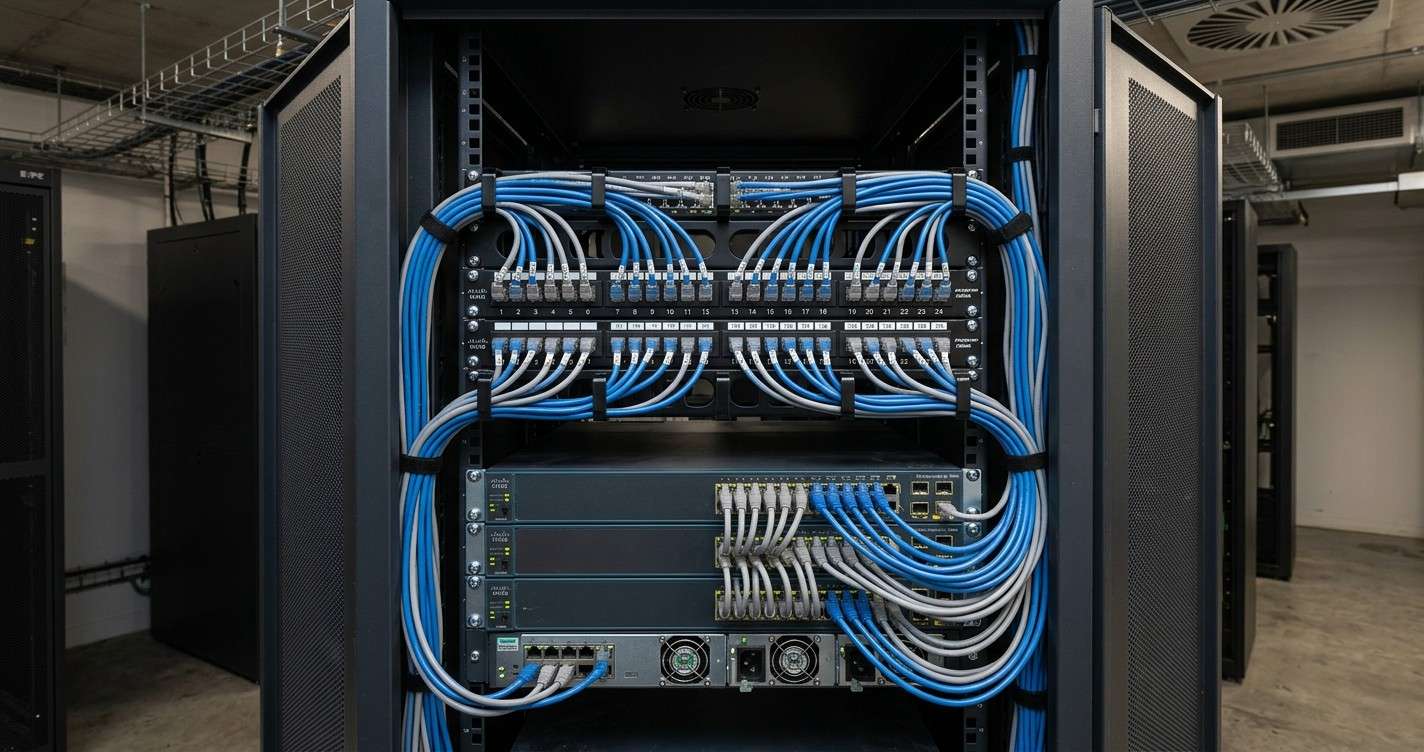
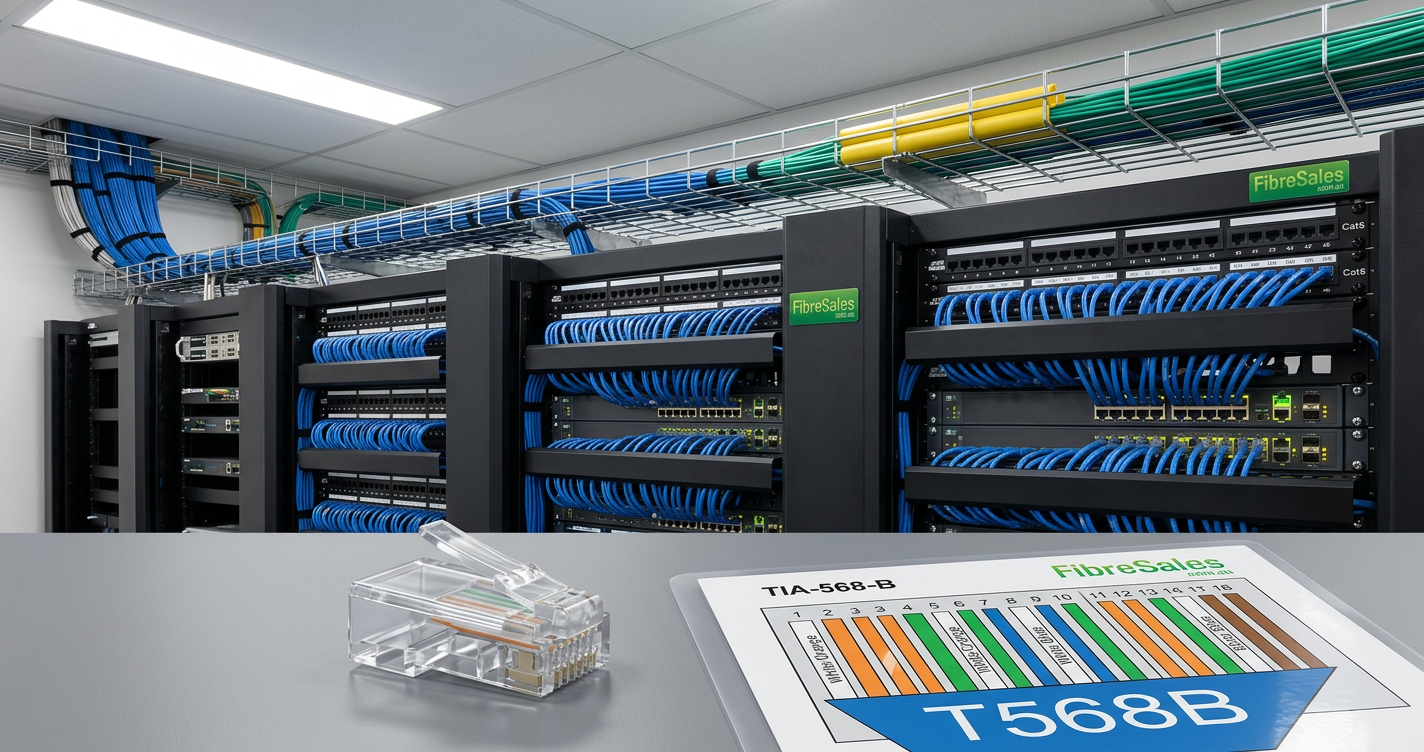
Copper patch leads are pre-terminated Ethernet cables fitted with RJ45 connectors at both ends. They provide the final connection between active network equipment and structured cabling infrastructure.
Typical applications include connecting:
- Network switches.
- Patch panels.
- Routers.
- Firewalls.
- Servers.
- Desktop computers.
- Wireless access points.
- IP telephones.
- CCTV systems.
- Industrial Ethernet devices.
Unlike permanent horizontal cabling, patch leads are designed to be flexible, easy to replace and available in a wide range of lengths and colours.
Why Choosing the Right Copper Patch Leads Matters
The quality of a patch lead influences the performance of the entire network.
Incorrect cable selection may result in:
- Reduced network speeds.
- Packet loss.
- Excessive electromagnetic interference (EMI).
- PoE voltage drop.
- Increased maintenance.
- Premature cable failure.
- Costly troubleshooting.
Engineering Decision
A network will only perform as well as its weakest component. Even premium switches and structured cabling cannot compensate for poor-quality patch leads.
Copper Patch Lead Categories Explained
Choosing the correct cable category is one of the most important decisions when purchasing copper patch leads.
CAT5e
CAT5e remains suitable for Gigabit Ethernet applications up to 100 metres and continues to be used in many existing networks.
CAT6
CAT6 provides improved performance, reduced crosstalk and greater bandwidth than CAT5e. It is suitable for Gigabit Ethernet and supports 10 Gigabit Ethernet over shorter distances.
read our article Cat6 Cables everything you need to know
CAT6A
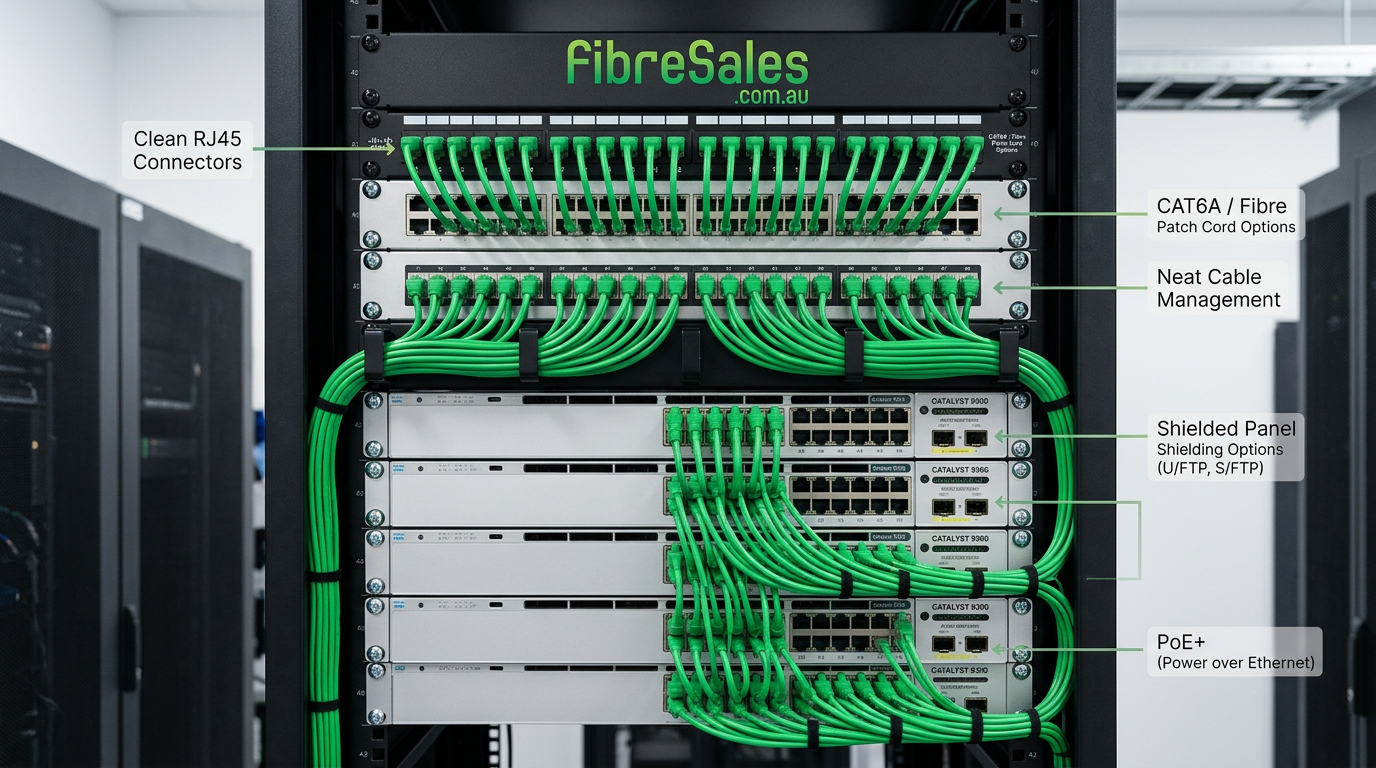
CAT6A is designed for demanding enterprise networks and supports 10 Gigabit Ethernet over the full 100-metre channel. It also offers improved alien crosstalk performance, making it the preferred choice for new commercial installations.
read our article: CAT6 vs CAT6A vs CAT6AU – Which Should You Choose?
Shielded vs Unshielded Copper Patch Leads
Another important decision is whether to select shielded or unshielded copper patch leads.
Unshielded Twisted Pair (UTP)
Suitable for:
- Office environments.
- Retail.
- Education.
- Standard commercial networks.
Shielded Twisted Pair (STP/FTP)
Recommended for:
- Industrial facilities.
- Manufacturing.
- Mining.
- High-EMI environments.
- Data centres with significant electrical equipment.
Choosing the appropriate shielding reduces interference and improves long-term network reliability.
Future branch article:
Shielded vs Unshielded Patch Leads
Copper Patch Leads and Power over Ethernet (PoE)
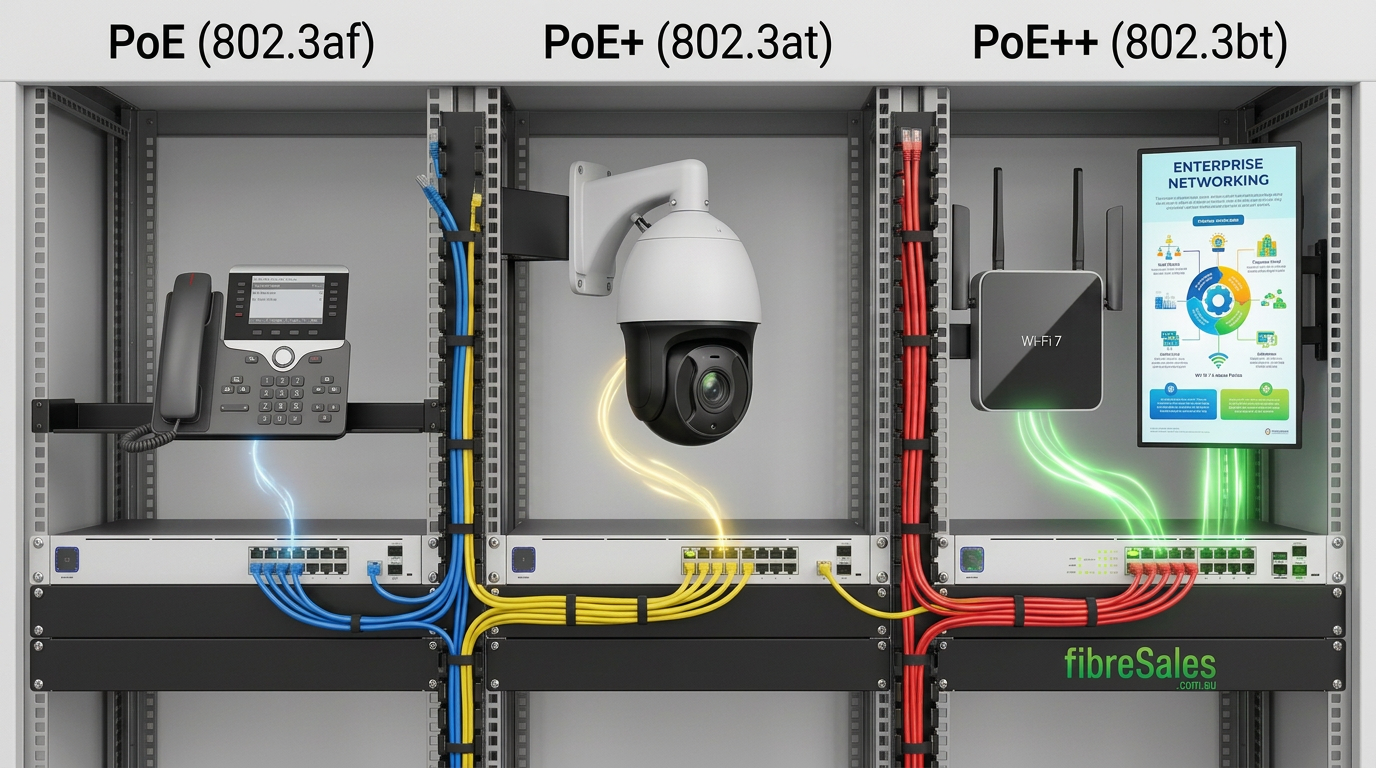
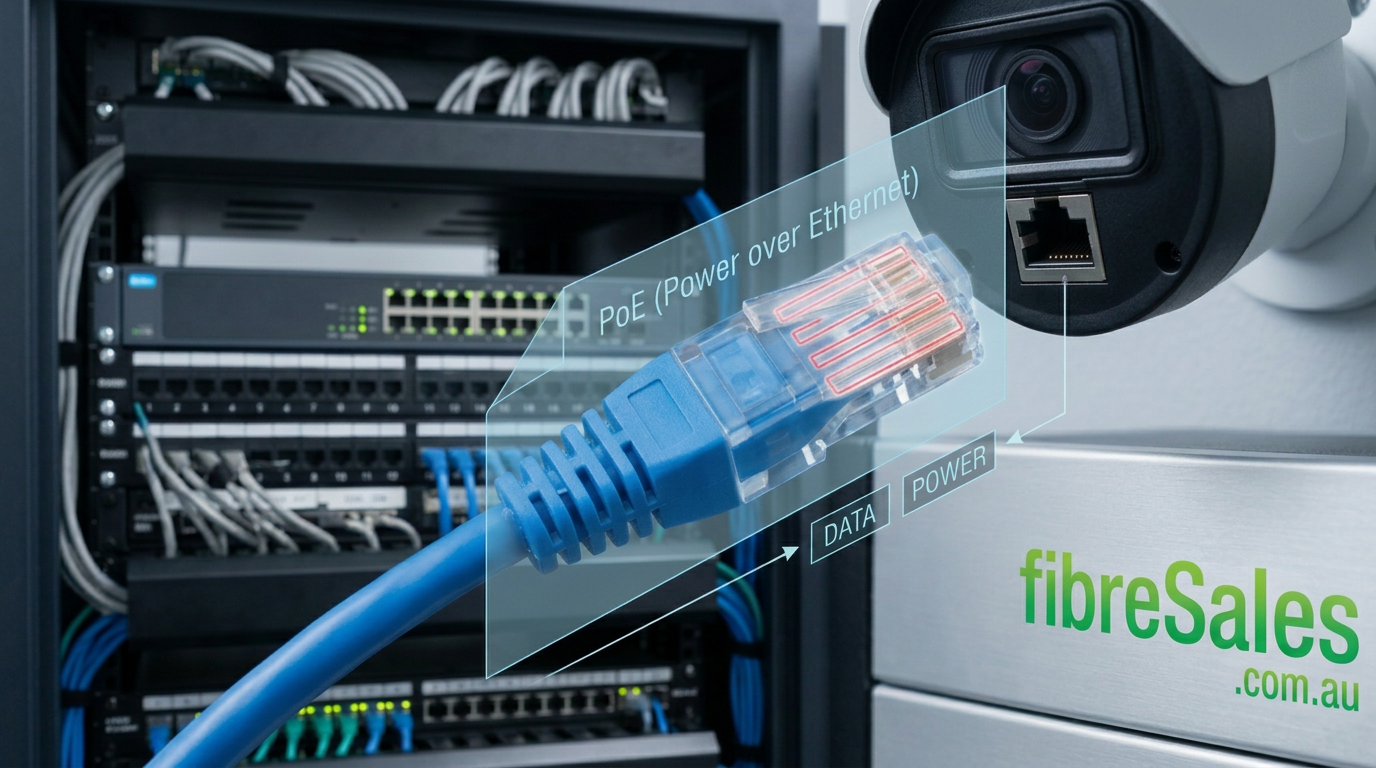
Modern copper patch leads frequently carry both data and electrical power using PoE technology.
Applications include:
- IP cameras.
- Wireless access points.
- VoIP telephones.
- Building automation.
- Security systems.
Higher-power PoE standards generate more heat within cable bundles. Using compliant, high-quality patch leads helps maintain safe operating temperatures and reliable performance.
Future branch article:
Understanding PoE and Copper Patch Leads
Choosing the Correct Patch Lead Length
Cable length affects installation quality and rack presentation.
Good practice includes:
- Avoiding unnecessary slack.
- Allowing sufficient service loops where required.
- Preventing excessive cable tension.
- Maintaining proper cable management.
Using the correct length improves airflow within equipment racks and simplifies future maintenance.
Related article:
Choosing the Right Patch Lead Length
RJ45 Couplers explained | Do they affect speed?
Slimline Copper Patch Leads
Slimline copper patch leads are becoming increasingly popular in high-density networking environments.
Advantages include:
- Improved airflow.
- Reduced cable congestion.
- Better cable management.
- Easier installation in crowded racks.
These benefits make slimline cables particularly suitable for data centres and enterprise switch cabinets.
related article:
Slimline vs Standard Patch Leads
Installing Copper Patch Leads Correctly
Correct installation practices help maintain long-term network performance.
Installers should:
- Avoid excessive bend radius.
- Prevent cable crushing.
- Keep cables away from strong electrical interference where practical.
- Use proper cable management systems.
- Label network connections clearly.
- Replace damaged patch leads immediately.
Good installation practices reduce future troubleshooting and improve network reliability.
Common Copper Patch Lead Mistakes
Many network faults can be traced to incorrect patch lead selection or poor installation.
Common mistakes include:
- Mixing cable categories.
- Using damaged patch leads.
- Choosing incorrect cable lengths.
- Exceeding Ethernet channel limits.
- Using unshielded cable in high-interference environments.
- Ignoring PoE requirements.
- Overfilling cable management systems.
Common Mistake
Patch leads are consumable network components. Reusing damaged or worn cables often costs more in troubleshooting time than replacing them.
Copper Patch Leads in Different Industries
Different industries place different demands on Ethernet infrastructure.
Commercial offices typically prioritise flexibility and ease of maintenance, while industrial facilities require additional protection against vibration, dust and electromagnetic interference. Data centres often benefit from slimline patch leads that improve airflow and cable density, whereas education and healthcare environments may focus on reliable PoE delivery to wireless access points and IP telephony.
Selecting the right patch lead should always consider the operating environment rather than price alone.
Real-World Field Scenario
A distribution centre experienced intermittent network outages affecting barcode scanners connected to warehouse switches. Initial troubleshooting focused on switch configuration and network software, but testing showed no faults.
During a physical inspection, technicians found several ageing CAT5e patch leads that had been repeatedly bent and pinched within crowded rack cabinets. The damaged cables were replaced with high-quality CAT6A slimline patch leads, cable management was improved and the intermittent faults were eliminated without replacing any active equipment.
The investigation demonstrated that relatively inexpensive copper leads can have a significant impact on network reliability.
Best Practices for Copper Patch Leads
For reliable Ethernet networks:
- Select the correct cable category.
- Use certified, high-quality patch leads.
- Choose shielded cable where EMI is present.
- Maintain appropriate bend radius.
- Use suitable cable management.
- Match patch leads to PoE requirements.
- Replace damaged cables promptly.
- Label network connections consistently.
These practices improve network performance while reducing maintenance costs.
Engineering Decision Insight
Although copper patch leads represent a small proportion of the total cost of a network, they are among the most frequently handled and replaced components. Choosing the correct category, shielding and construction for the application helps maximise network performance, simplify maintenance and support future upgrades. Investing in quality patch leads is often one of the most cost-effective ways to improve long-term network reliability.
References
For further technical guidance, consult:
- ANSI/TIA-568 Structured Cabling Standards.
- ISO/IEC 11801 Information Technology – Generic Cabling.
- IEEE 802.3 Ethernet Standards.
- BICSI Telecommunications Distribution Methods Manual (TDMM).
- Ethernet Alliance technical resources.
Conclusion
Selecting the right copper patch leads is fundamental to building reliable, high-performance Ethernet networks. Understanding cable categories, shielding, PoE compatibility and installation best practices helps ensure that every connection supports the performance expected from modern networking equipment.
Whether you are upgrading a business network, fitting out a data centre or replacing ageing Ethernet cables, FibreSales offers a comprehensive range of Copper Patch Leads to suit commercial, industrial and enterprise applications. Explore our range and use the supporting technical guides throughout this pillar to make informed purchasing and installation decisions.
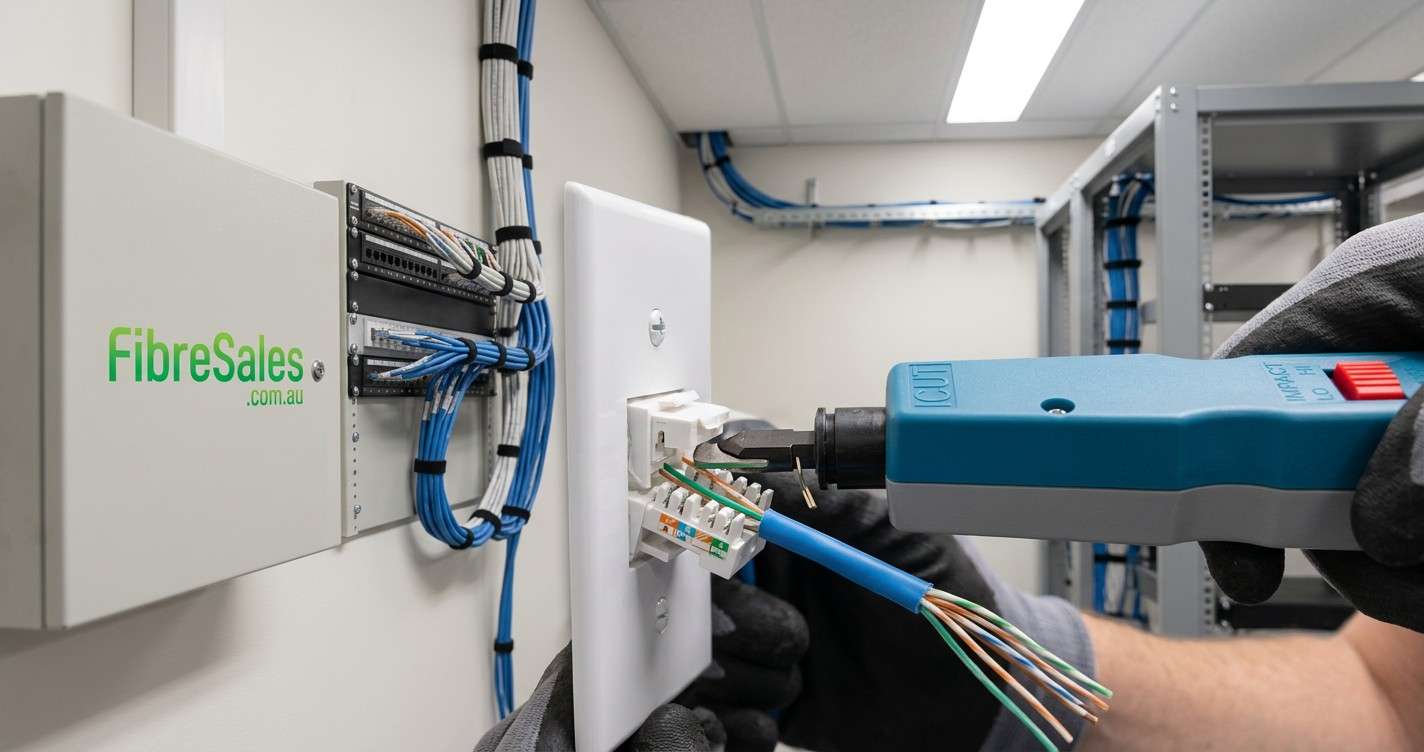
Professional installation require the correct equipment. FibreSales supplies professional Copper Patch Leads to help technicians install in accordance with industry best practice.
Visit www.fibresales.com.au to explore Australia’s growing resource centre for copper products, fibre optic products, technical guides and professional testing solutions.
Continue Learning
If you’d like to learn more about Ethernet networking, these guides are a great place to start.
- Copper Networking Explained | The Complete Guide to Ethernet Networks
- Copper Patch Leads Explained | The Complete Guide to Ethernet Patch Cables
- What is a Cat6 Patch Cable?
- CAT6 vs CAT6A vs CAT6AU | Which Ethernet Patch Cable Should You Choose?
- Slimline vs Standard Patch Leads | Which Ethernet Cable Should You Choose?
- Cat6 for IP Cameras
- Best Cat6 Cable for PoE
- Best Cat6 Patch Cable for Home Networks
- What Length Patch Cable Should I Buy?
- Does Cat6 Patch Lead colour matter?
- RJ45 Connectors explained
- What does RJ45 Mean
- Ethernet Cable Testing
- Why Most Ethernet Networks Use T568B